
What Was Presented at World of Coffee Brussels 2026
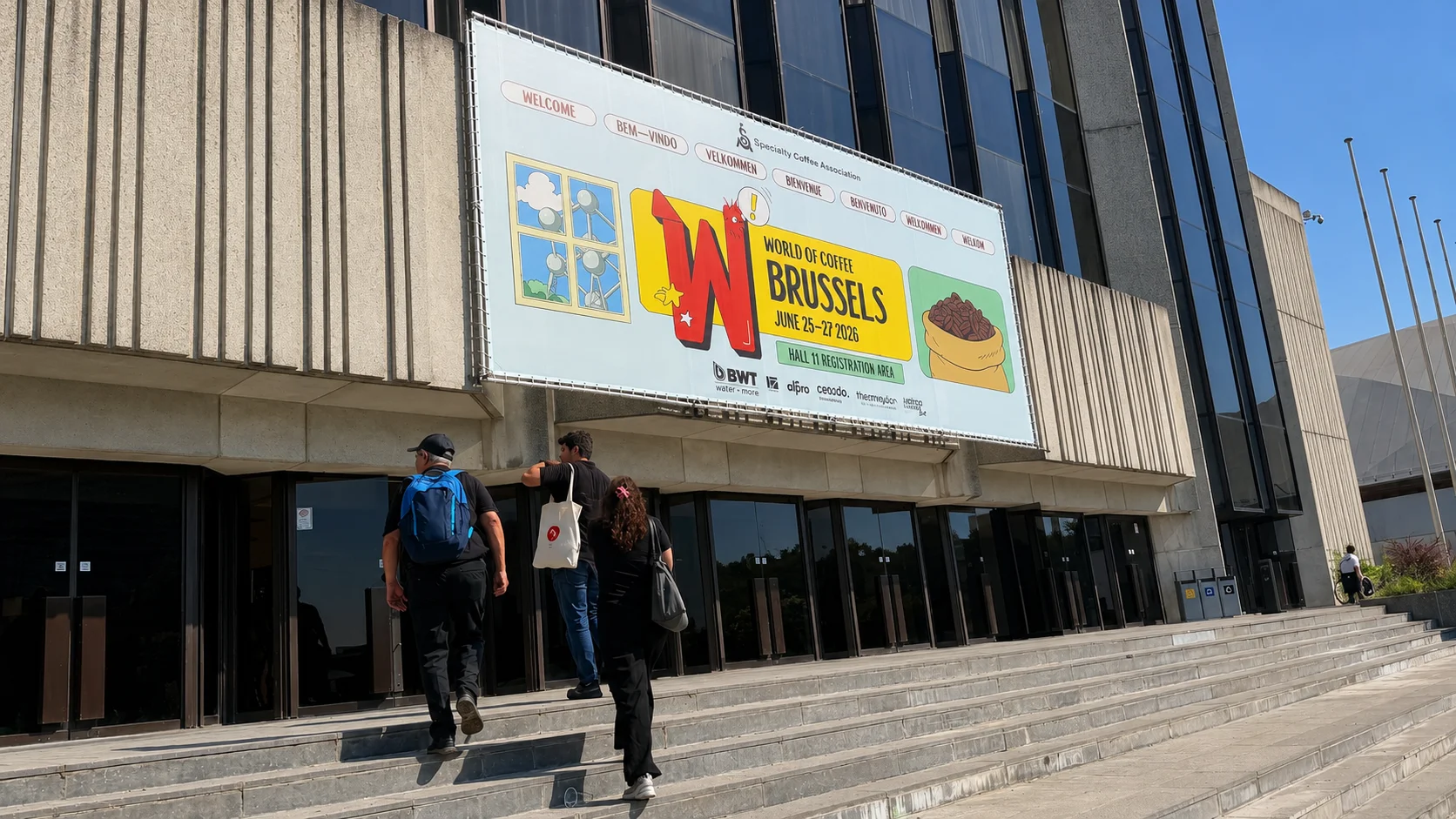
The first impression of World of Coffee Brussels 2026 was its scale and constant movement.
The hall was filled with conversations, the sound of working coffee machines, tastings, and a steady flow of people moving between stands.
In one area, baristas were preparing espresso.
Nearby, grinders and professional machines were being demonstrated.
Further on, there were brewing accessories, coffee roasters, specialty products, and compact solutions for home coffee.
The exhibition clearly showed how broad the modern coffee industry has become.
Professional equipment is becoming not only more powerful but also more visually expressive.
Specialty products increasingly look accessible not only to baristas but also to home coffee enthusiasts.
And home and portable solutions are no longer seen as a compromise — they have become a separate growing category.
Professional Grinders and Coffee Machines That Caught Our Attention
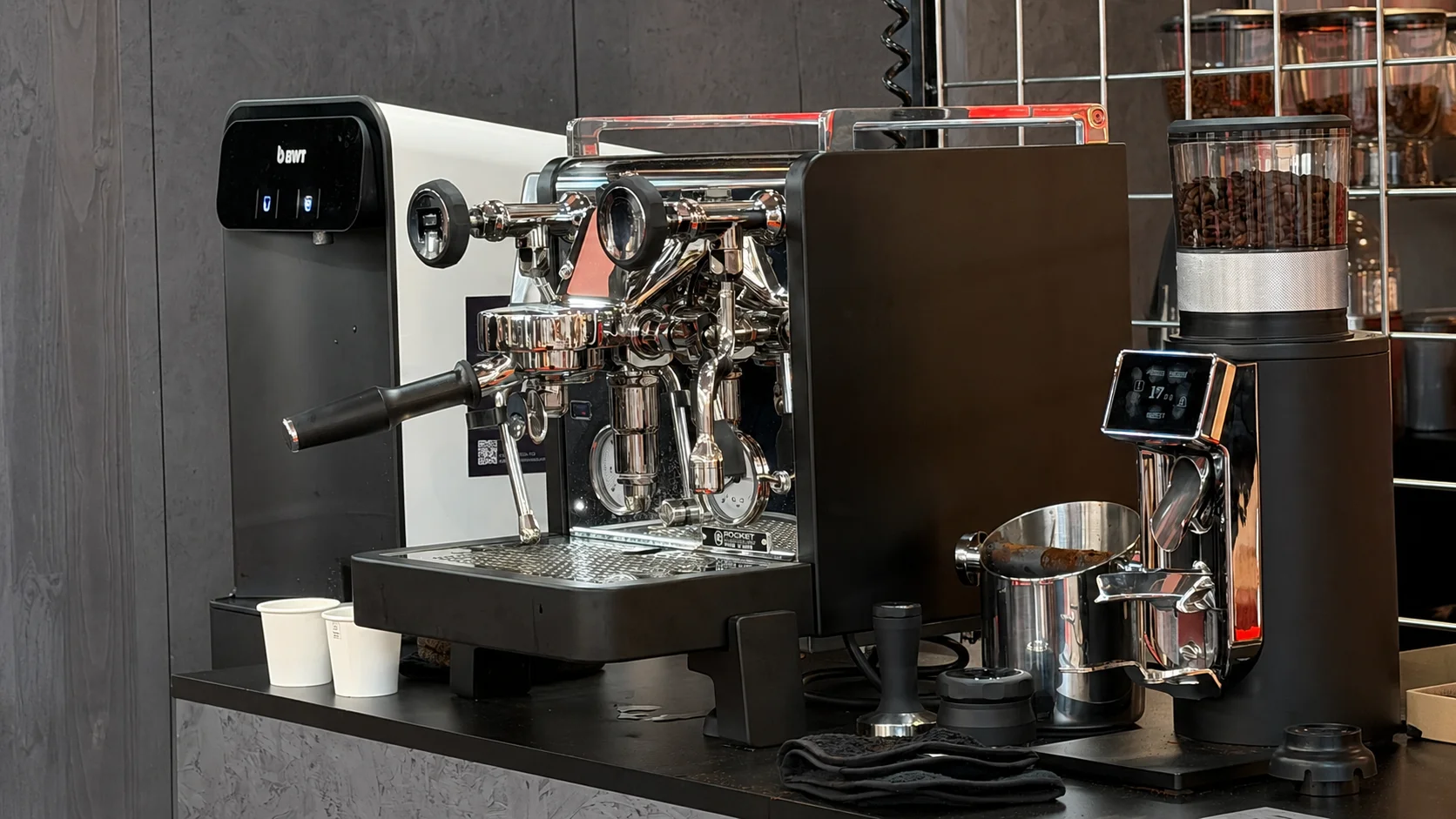
The first truly strong focus for us was the professional equipment section.
The stands with grinders and coffee machines made us want to stay longer.
They had the feeling of a real café environment, where equipment has to work every day, handle a steady flow of orders, and help baristas maintain consistent results.
Macap, Rocket Espresso, Victoria Arduino, and Astoria stood out especially in this direction.
Each brand had its own presentation, but the overall message was very clear: today, professional coffee equipment needs to be precise, reliable, convenient to use, and visually strong enough to become part of the atmosphere of a venue.
Macap
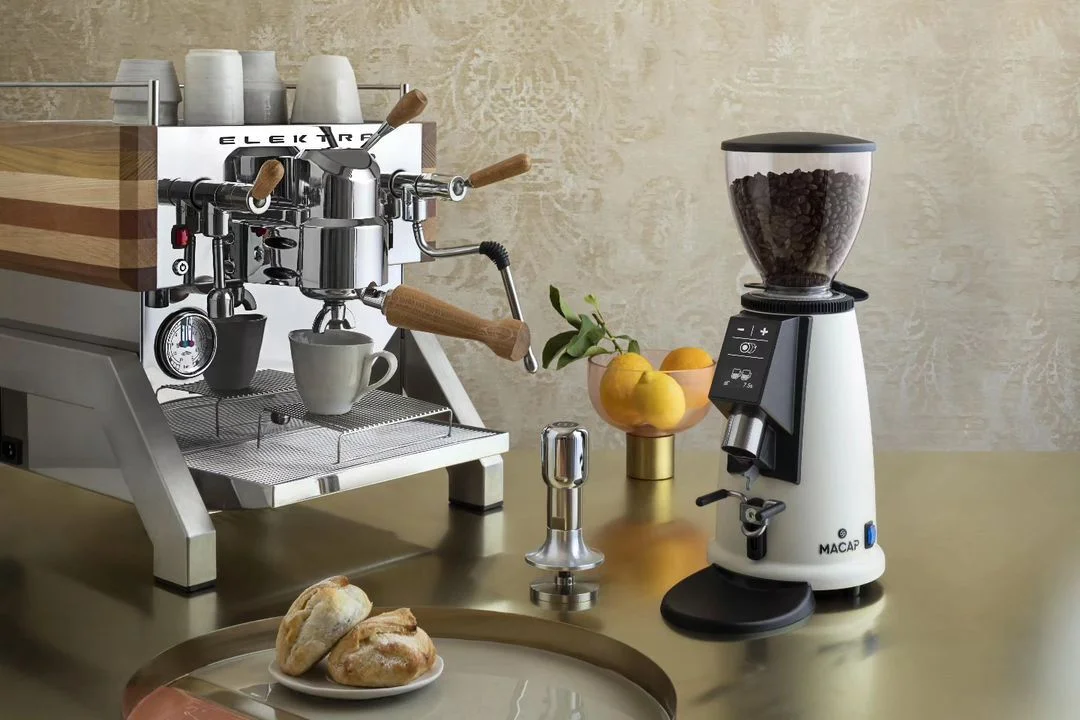
The Macap stand immediately felt like a professional zone.
The grinders looked confident and functional — not like a decorative part of a coffee space, but like equipment around which the workflow is actually built.
For cafés, restaurants, and HoReCa, the grinder is one of the key elements of the coffee station.
It affects taste consistency, preparation speed, and the repeatability of results throughout the day.
That is why Macap naturally became one of the main brands we paid attention to in the professional segment.
Rocket Espresso
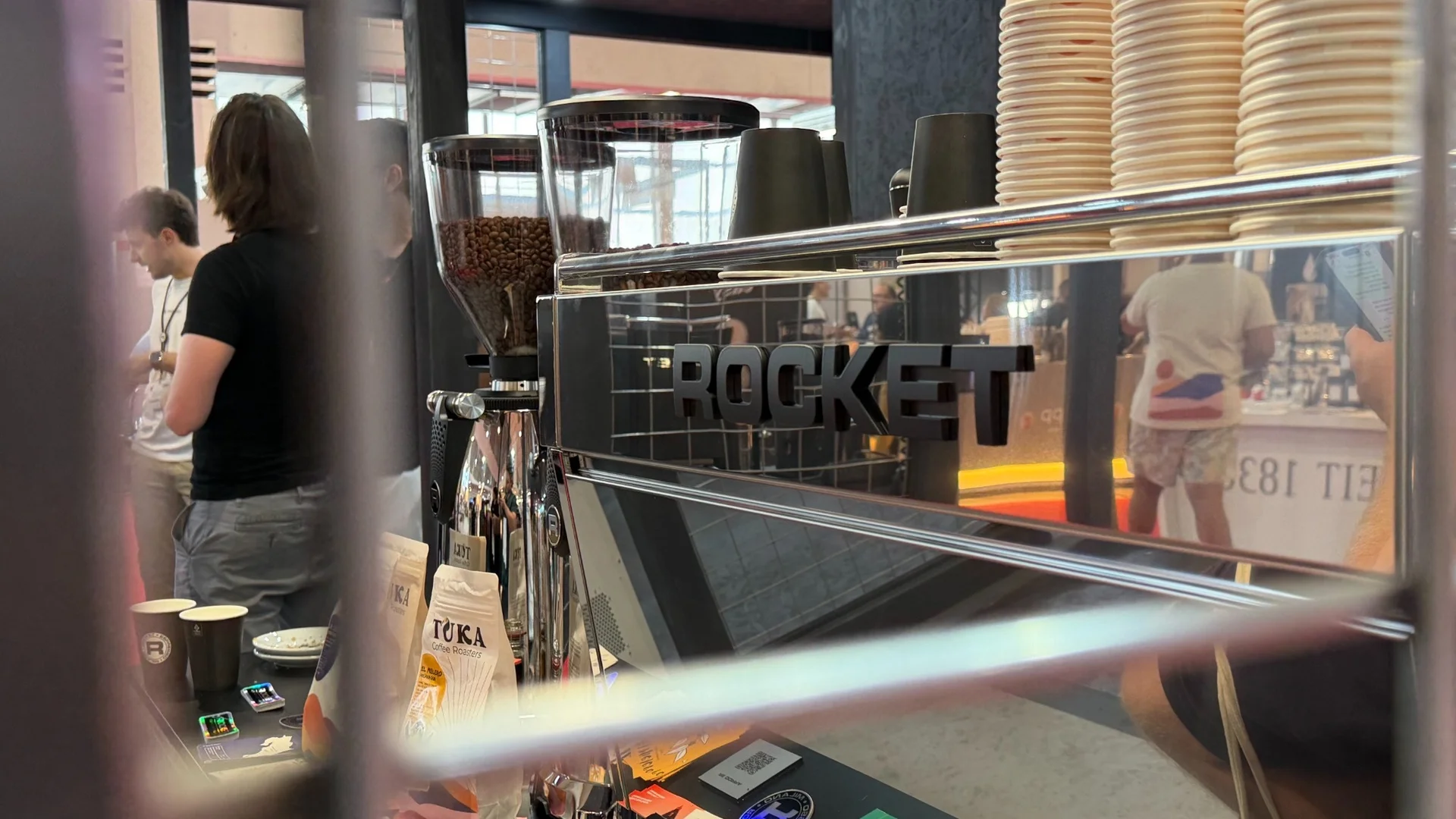
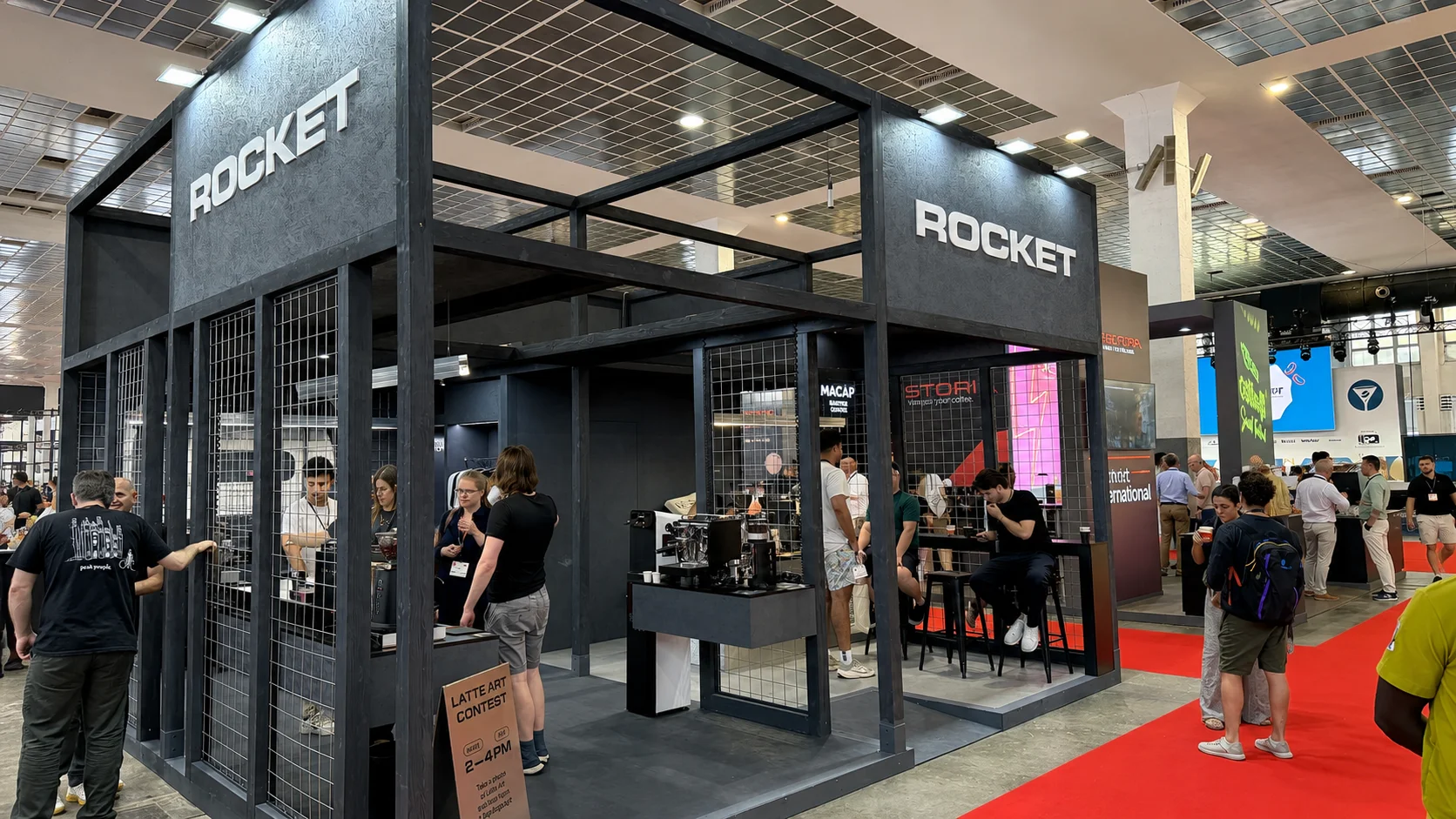
Rocket Espresso attracted attention with a different mood — a combination of espresso culture, a premium visual image, and the feeling of a well-designed coffee station.
At the stand, you wanted to look closely at the details: the metal, the shape of the body, the equipment presentation, and the way the coffee machines and grinders worked together within one visual space.
Rocket Espresso is interesting because it speaks to two audiences at once.
For the professional segment, it is equipment that is easy to imagine in a café or HoReCa space.
For home coffee enthusiasts, it is a brand that shows what a serious espresso approach at home can look like.
Victoria Arduino and Astoria
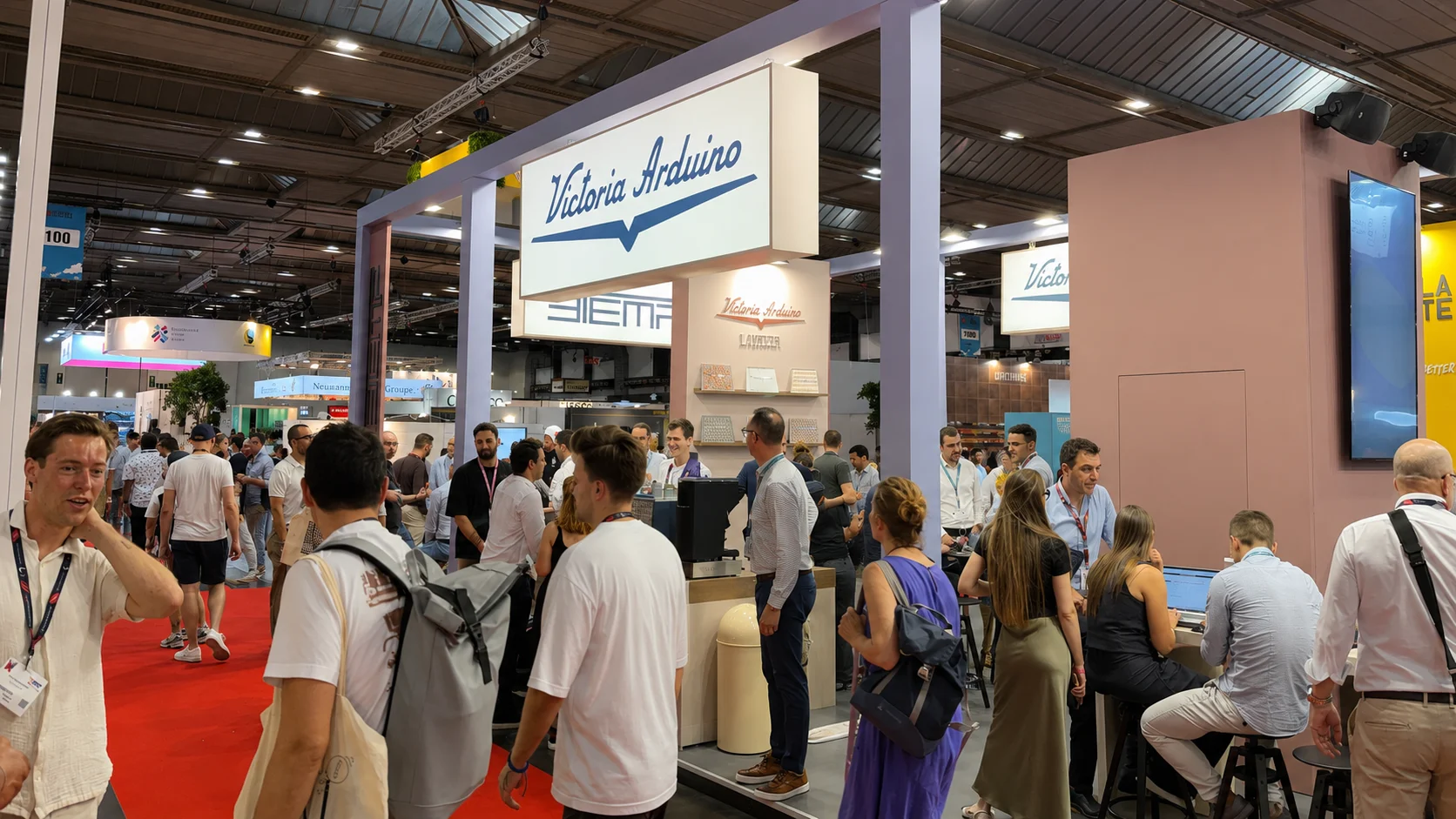
Victoria Arduino added the feeling of a barista stage to the professional section.
Here, the coffee machine was perceived not simply as a working tool, but as the central object of the coffee station — something the guest sees and something around which the impression of the place is formed.
Astoria, in turn, complemented the professional section with a more classic sense of commercial coffee equipment.
These machines are easy to imagine in a restaurant, hotel, or café where coffee has to be stable every day, not only impressive during a presentation.
Together, these brands clearly showed the foundation of the professional segment: reliability, visual presentation, and readiness for real everyday work.
Specialty Coffee: Equipment for Coffee Enthusiasts and Home Brewing
After the large professional equipment section, the specialty zones felt completely different.
There was less focus on sheer capacity and more attention to detail: drippers, scales, kettles, filters, compact devices, and conversations about how exactly the taste in the cup changes.
It was here that it became especially clear that home coffee is no longer seen as a simple alternative to a café.
More and more people want to approach coffee preparation more thoughtfully: choose the grind, control water temperature, weigh the recipe, try different brewing methods, and better understand the result.
In this direction, HARIO, Acaia, BESTbrew, Varia Brewing, and Toddy looked especially interesting to us.
Some products from this category are expected to become available in Serbia within the next few months, and the exhibition clearly showed why these products may be easy for the local audience to understand.
HARIO, Acaia and BESTbrew
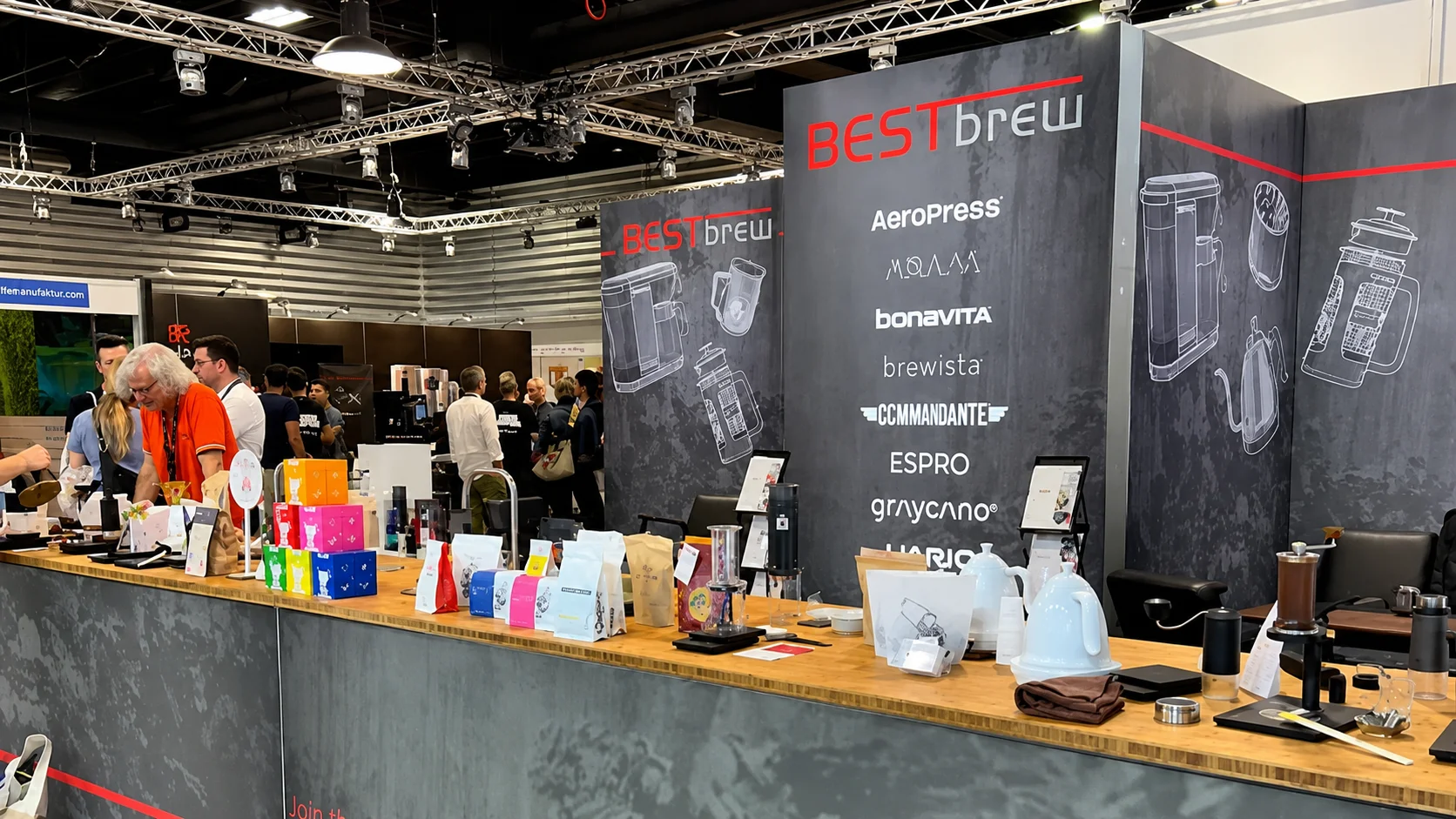
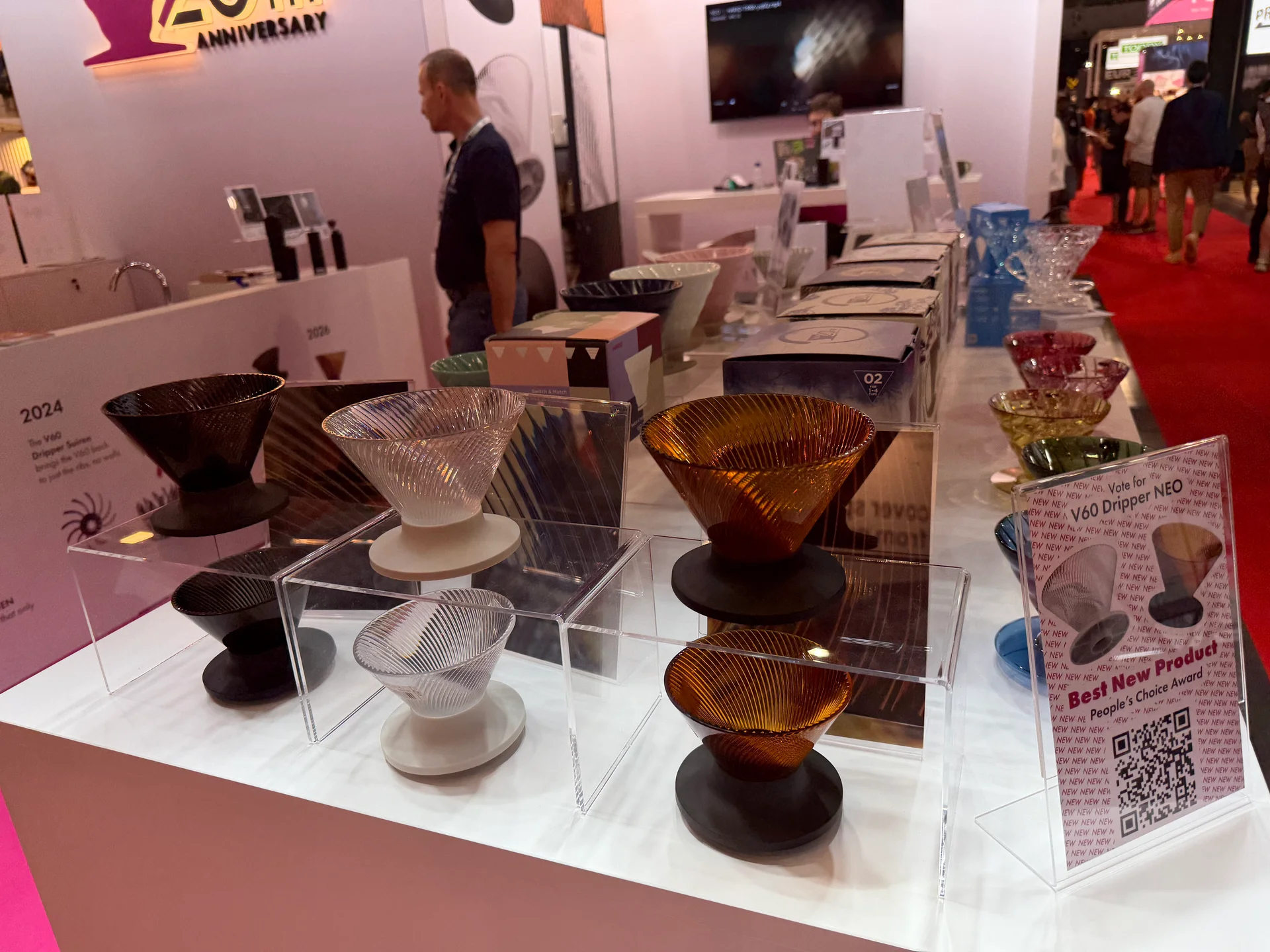
HARIO was perceived at the exhibition as one of the most recognizable symbols of specialty culture.
Drippers, manual brewing accessories, and a clean presentation immediately created a calmer atmosphere focused on ritual, attention to the process, and the desire to prepare coffee more precisely.
Acaia stood out through the idea of control.
In specialty culture, scales have long been more than just an accessory; they are part of the recipe.
When a person starts weighing coffee, water, and time, they begin to see the drink differently — not as a random result, but as a process that can be understood and repeated.
BESTbrew added visual lightness.
Glass, transparency, and the brewing process itself work well for the specialty feeling: the user sees what is happening and becomes more involved in preparation.
Varia Brewing and Toddy
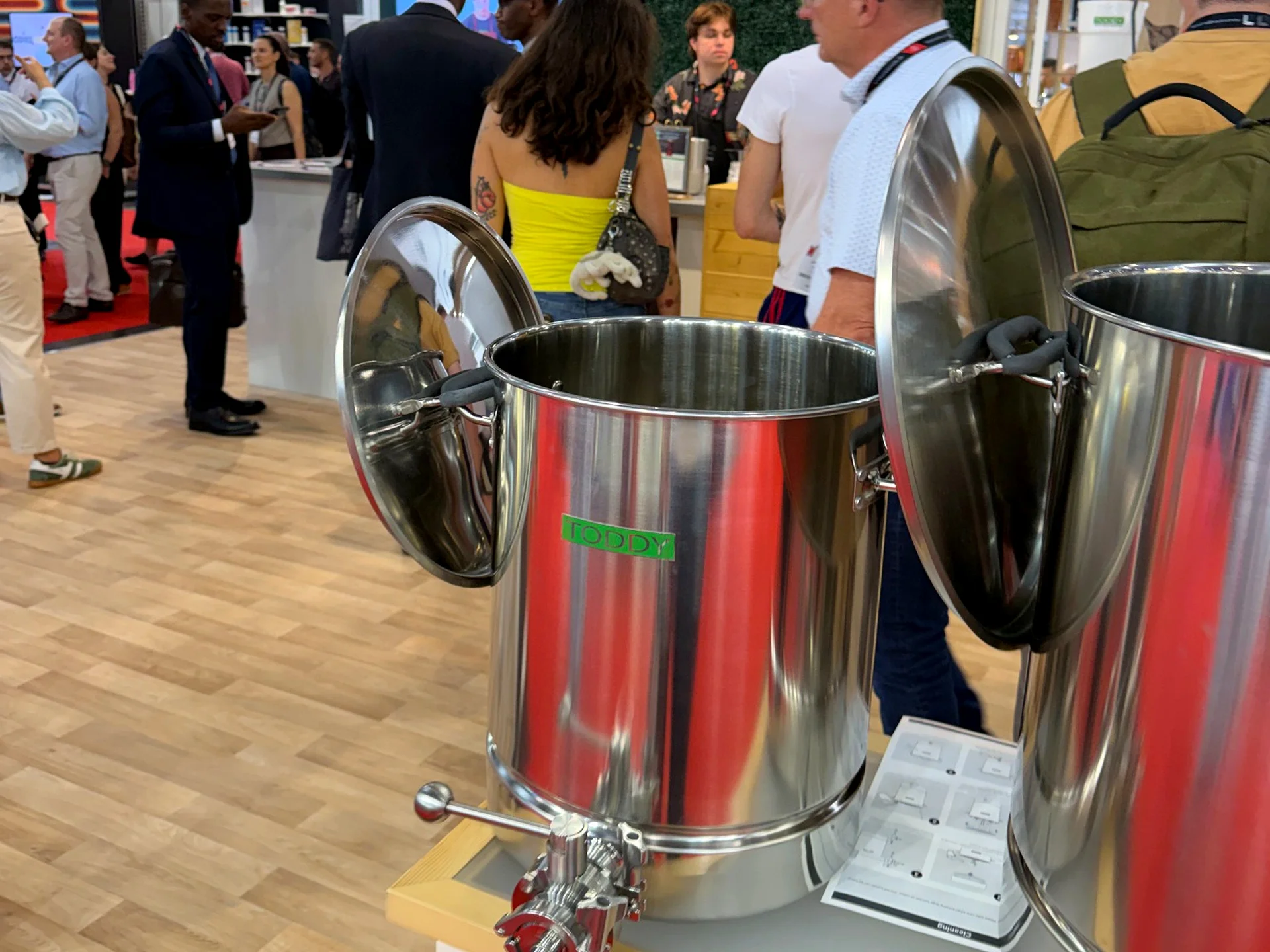
Toddy felt especially relevant on such a hot day in Brussels.
Cold brew here was perceived not just as a summer drink but as a separate category for cafés and home use: prepare in advance, serve in different ways, and expand the coffee menu without a complicated process.
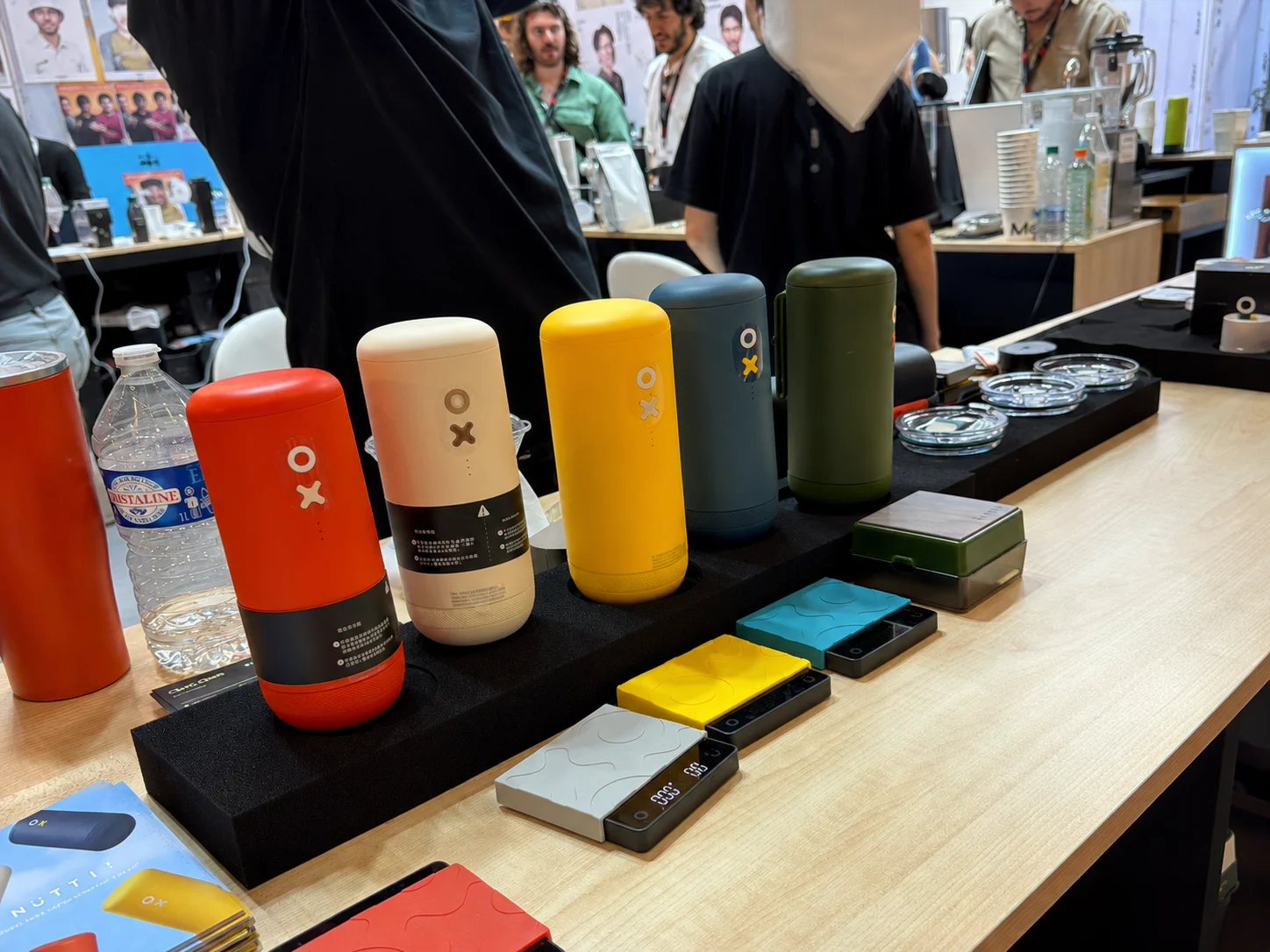
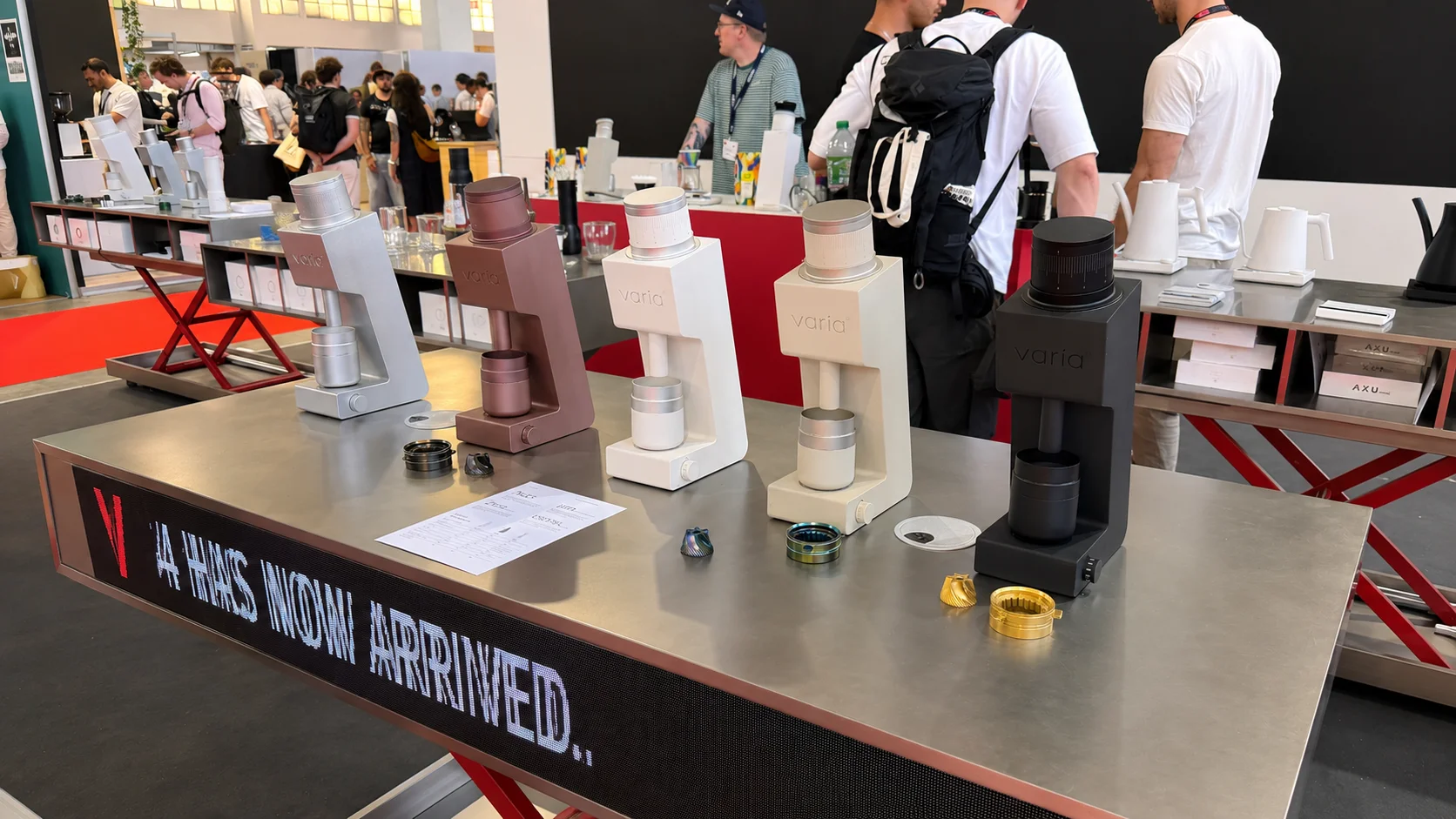
After the large professional stands, Varia Brewing felt closer to a home coffee ritual.
Here, the attention was not on scale, but on details: compact devices, clean presentation, and the feeling that specialty coffee is becoming increasingly accessible to people who want to prepare better coffee at home.
Home and Portable Espresso Solutions
Another direction that kept drawing attention was home and portable espresso solutions.
After the large professional machines, these products looked almost like a different world: less scale, more personal use scenarios, and a stronger idea that good coffee can be prepared not only in a café.
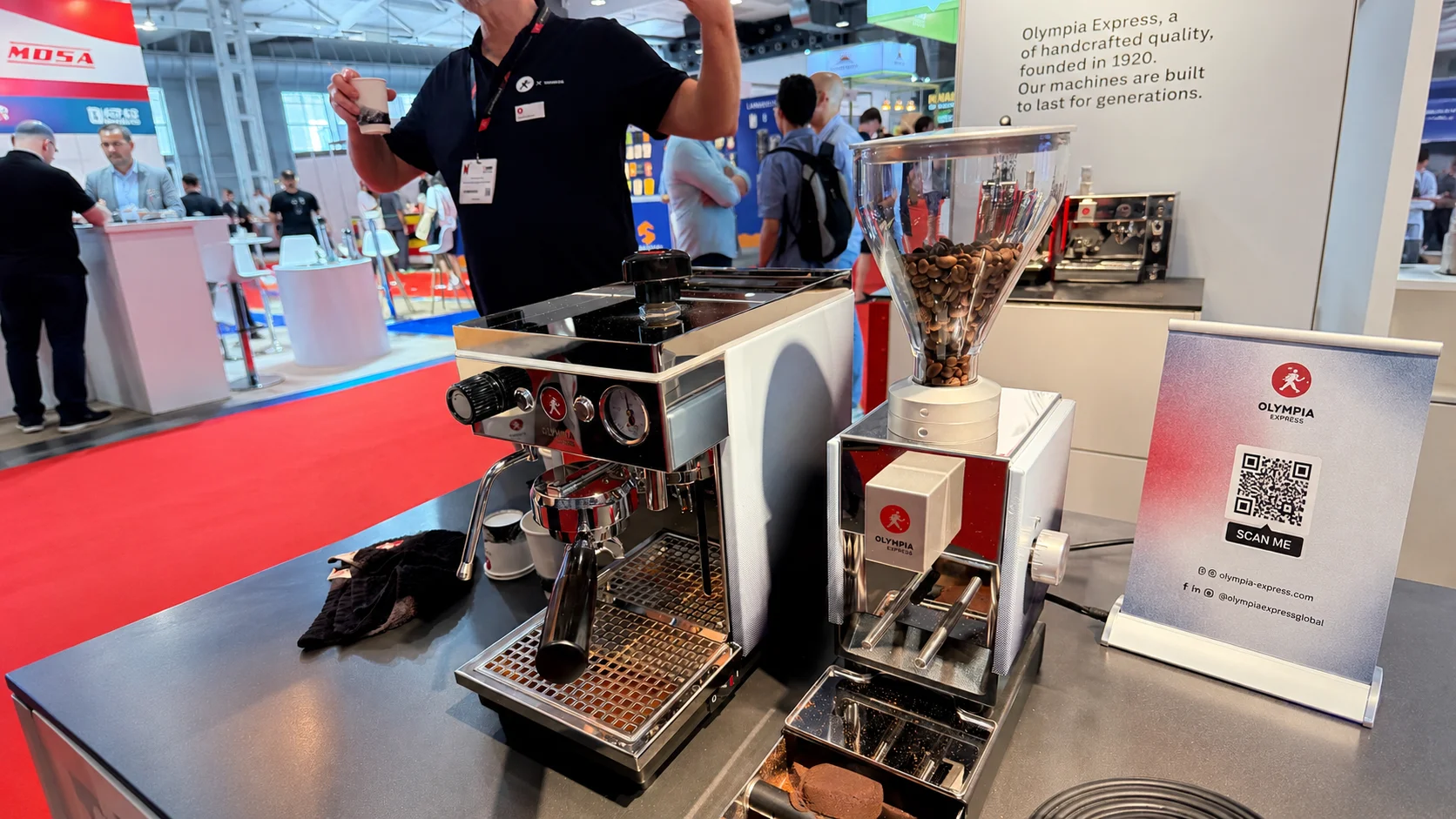
Olympia Express was perceived as part of enthusiast espresso culture.
This is a direction for people who care not only about the drink in the cup but also about the process itself: mechanics, manual control, and the feeling that espresso is truly created by the person preparing it.
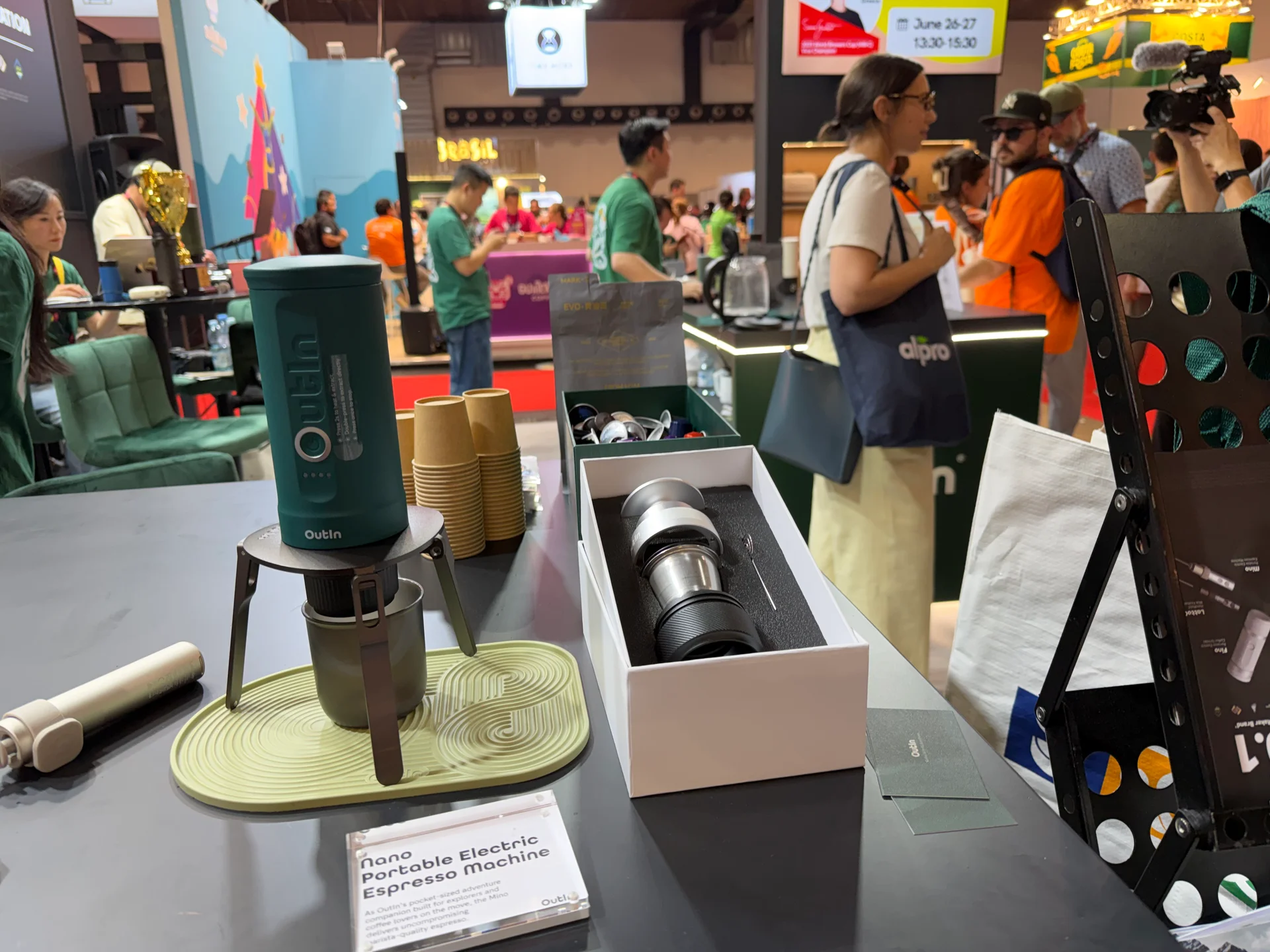
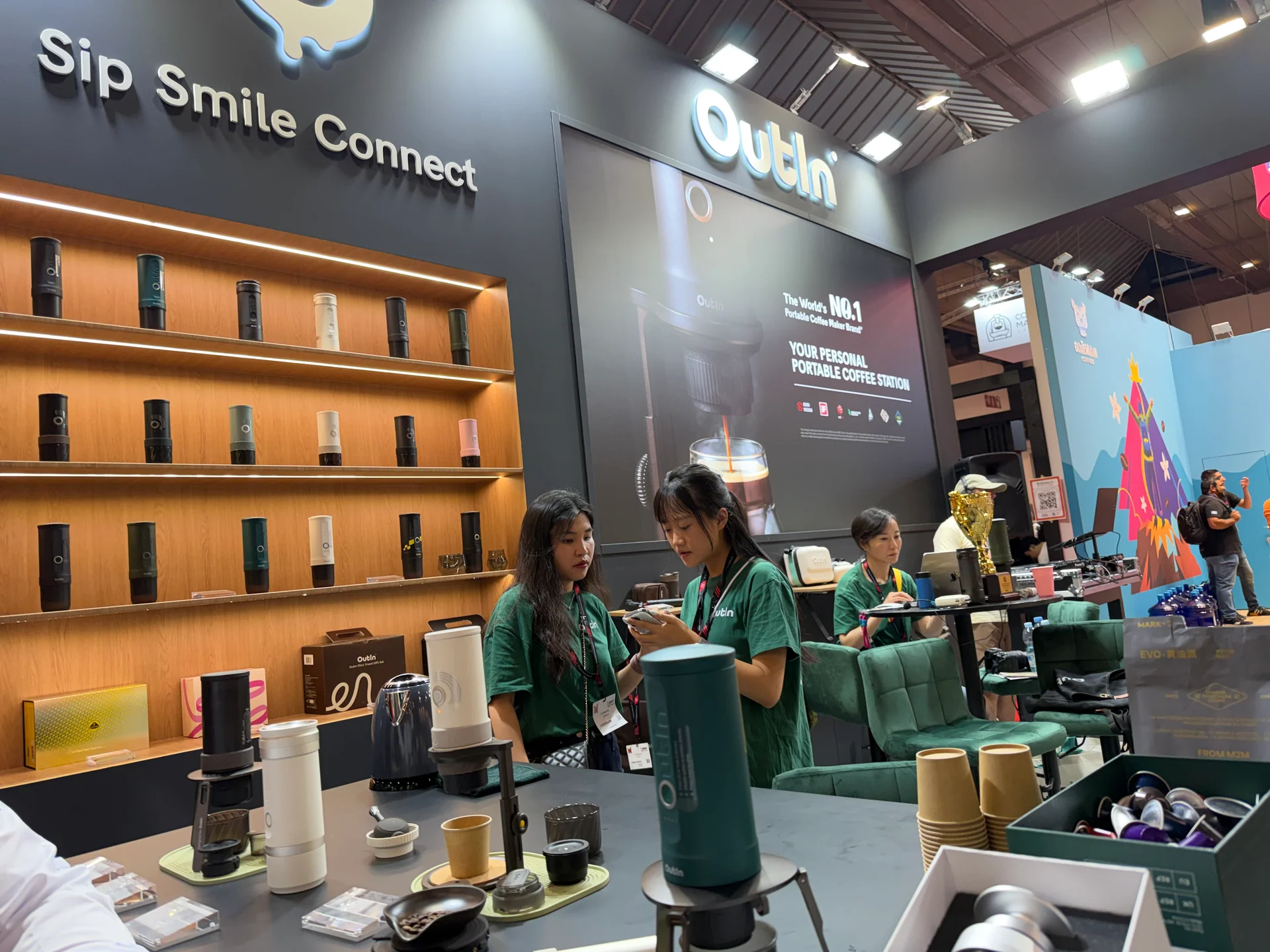
OutIn added a more mobile view of coffee.
Such devices are easy to imagine on the road, at work, or while traveling — anywhere a person wants to keep their habit of quality coffee without being tied to a café or a large home machine.
Together, these products show how diverse the home espresso segment is becoming.
There is room in it for ritual, mobility, and a more everyday scenario.
Fully Automatic Coffee Machines and Convenience Without the Manual Process
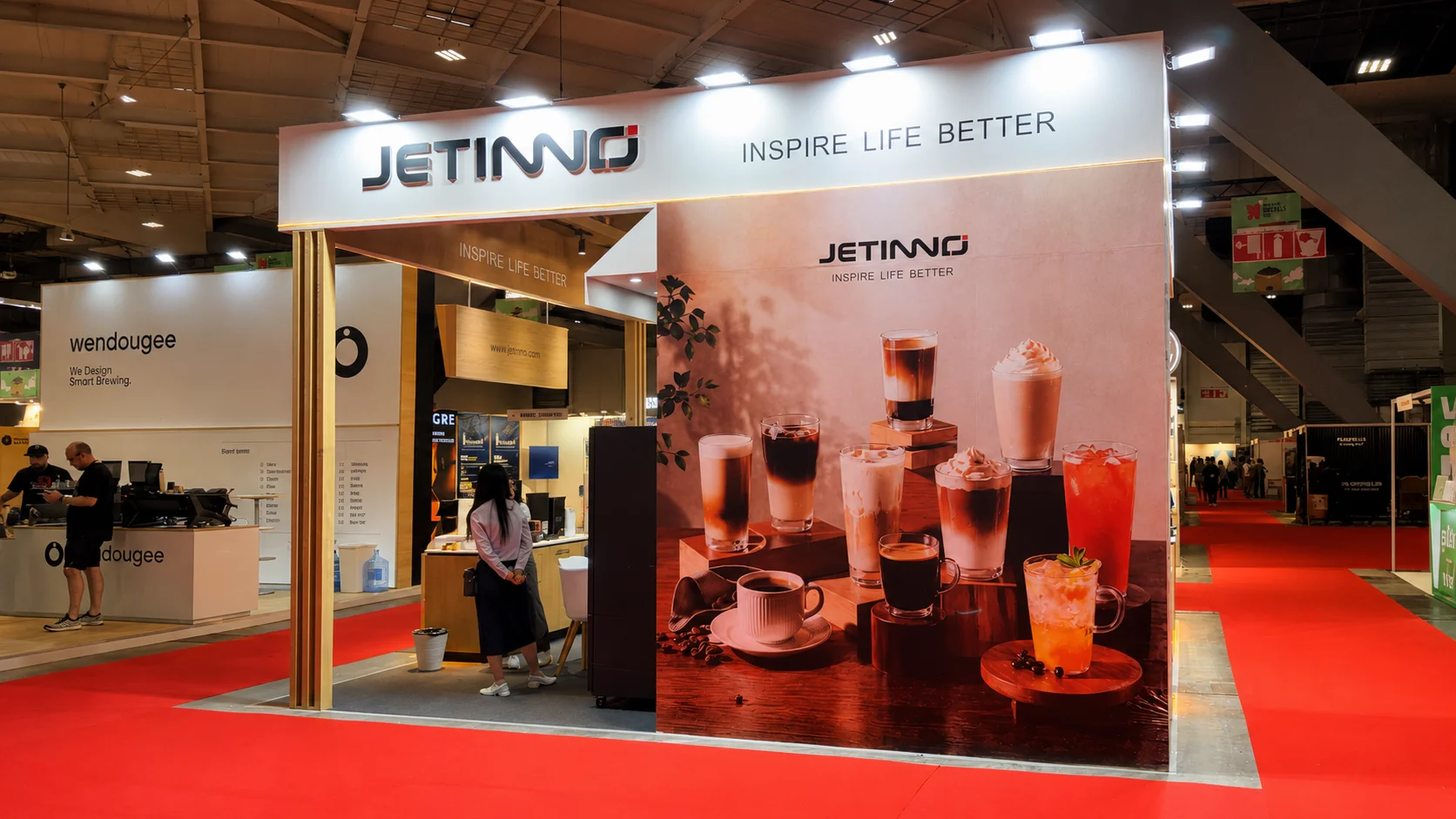
After manual brewing and portable espresso devices, fully automatic coffee machines looked like a different market response — for those who want good coffee but do not want to handle the process manually.
In this category, JETINNO fully automatic coffee machines stood out to us.
The logic here is different: less control over every parameter, more convenience, speed, and repeatability.
Such solutions may be interesting for offices, small commercial spaces, self-service areas, and home users who want a stable drink without the need to learn barista skills.
Other Interesting Categories at the Exhibition
World of Coffee Brussels 2026 was interesting not only because of major brands and eye-catching coffee machines.
Between the main stands, there were constantly coffee roasters, professional accessories, packaging solutions, matcha equipment, and other products for coffee service.
These zones made the exhibition lively and diverse.
As you moved from one stand to another, you could see that the coffee industry had long moved beyond a single cup of espresso.
There is coffee, equipment, accessories, packaging, drinks, presentation, and the whole experience that is formed around coffee.
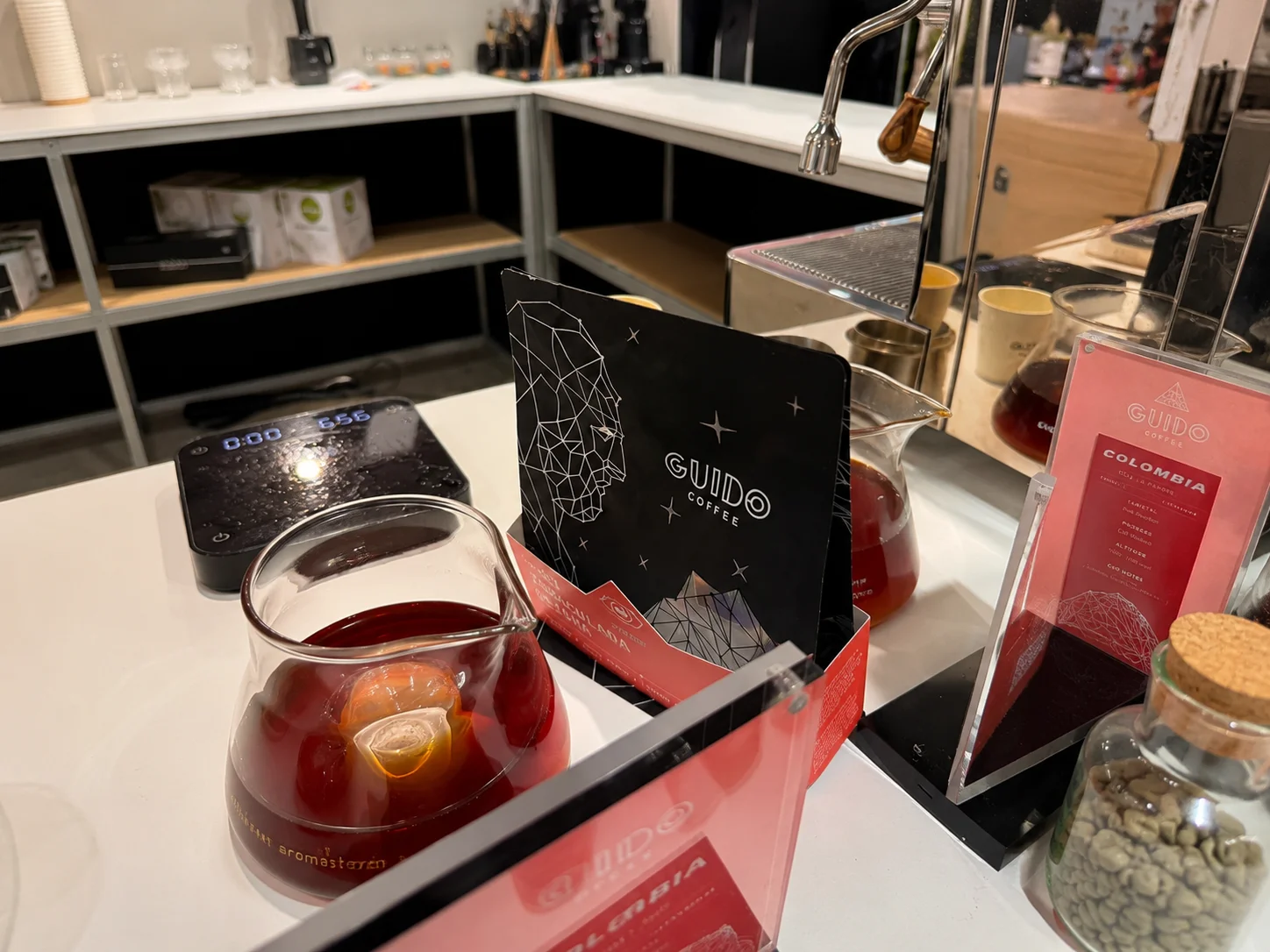
Coffee roasters added a separate atmosphere to the exhibition.
After the stands with machines and accessories, returning to the beans felt like a reminder: at the heart of the entire industry are still taste, origin, roasting, and the people who work with coffee every day.
What This Means for the Serbian Market
For the Serbian market, World of Coffee Brussels 2026 is interesting not only as an international event but also as an opportunity to see in advance the categories that may become more visible in the near future.
Professional grinders and coffee machines remain an important foundation for cafés, restaurants, and HoReCa.
That is why Macap, Rocket Espresso, Victoria Arduino, and Astoria look like brands worth following closely in the professional segment.
The specialty direction shows another important shift.
HARIO, Acaia, BESTbrew, Varia Brewing, Toddy and accessories reflect growing interest in a more thoughtful approach to home coffee.
Home and portable espresso solutions from Olympia Express and OutIn add another scenario to this: quality coffee outside the classic café environment.
Some products are planned for the Serbian market in Q4.
That is why, for us, the exhibition became not only a review of new products but also a way to better understand which products may be interesting to the local audience in the future.
Conclusion
World of Coffee Brussels 2026 left the impression of a very lively and multi-layered coffee industry.
It was an exhibition not only about equipment but also about people, habits, tastes, workflows, and new ways of preparing coffee.
After several hours at the exhibition, the main impression remained clear: the coffee industry is developing in several directions at once.
Professional equipment is becoming stronger, specialty coffee culture is becoming broader, home coffee is becoming more interesting, and portable solutions are moving closer to everyday life.
That is why World of Coffee Brussels 2026 gave us not only many ideas for our future product range in Serbia but also a very clear sense of where the coffee market is heading.