
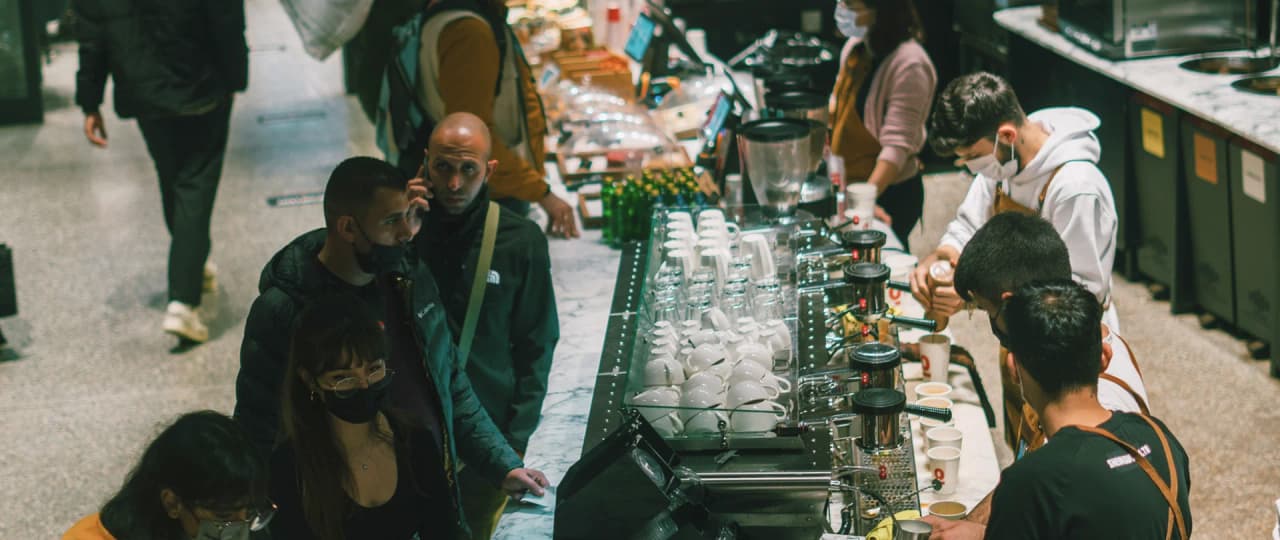
Estimate the Expected Demand
Start with sales from a comparable day of the week, then account for the extra demand your special offer or event may bring. How many orders do you expect during the busiest hour, and how many staff members will be working at the station?
Estimate the ratio of espresso orders to milk-based coffee drinks, the number of takeaway orders and the time needed to make the special drink. Use those figures to calculate how much coffee, milk, takeaway cups and lids you will need. This will help you spot possible limits in equipment capacity, counter space or supplies.
1. Check the Espresso Machine
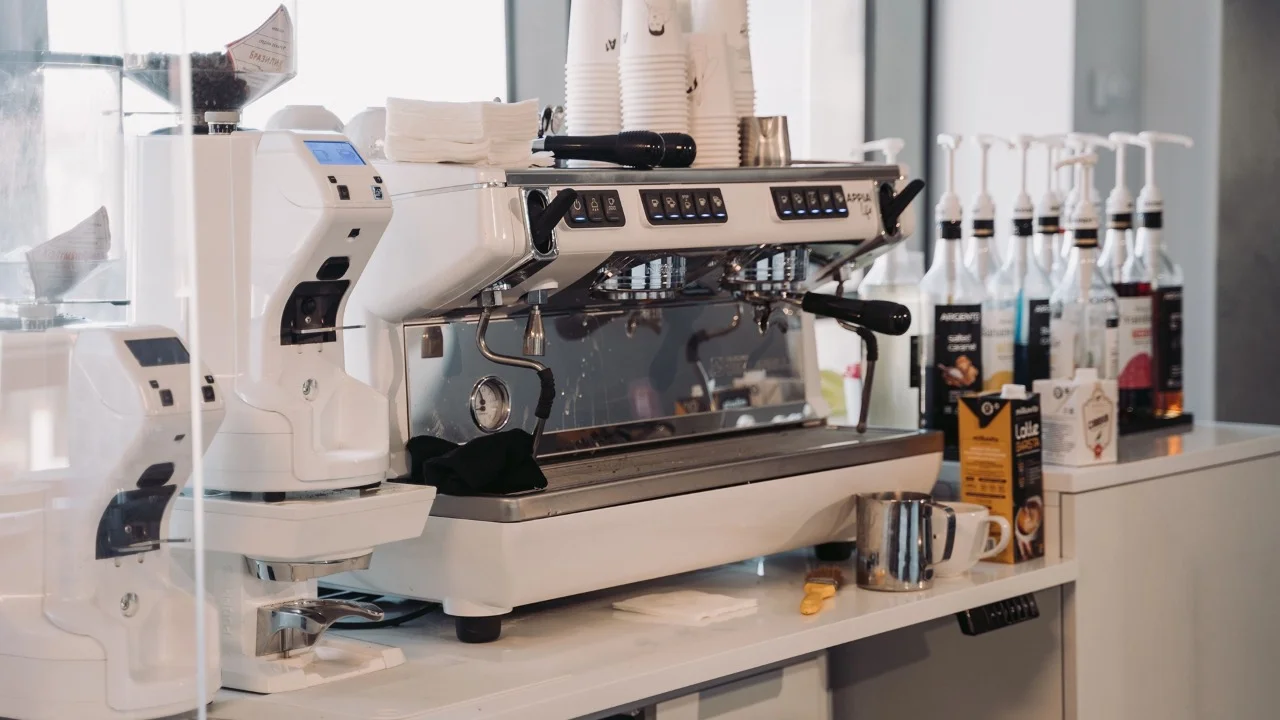
Check the machine several days before the event so there is still time to arrange service if needed. Run a test flush through each group, check that the water flows evenly and verify any programmed doses you use. If the machine displays temperature and pressure, compare the readings with the normal values in its manual.
Check each steam wand and the hot water outlet. Inspect the seals, baskets and portafilters. Look for leaks, unusual sounds or error messages, and make sure water drains freely into the drip tray and drain. If the machine is unstable, contact a service technician. Do not dismantle it or change technical settings without the necessary qualifications.
Clean the groups and backflush them according to the instructions for your model. Coffee residue and oils can affect flavour and restrict water flow. Follow the manual when setting the cleaning frequency, taking your workload and coffee beans into account.
2. Clean the Grinder and Record the Espresso Recipe
Before the event, clean the hopper, coffee outlet and accessible areas where grounds and coffee oils collect. Follow the instructions for your model: keep water away from the burrs, grinding chamber, motor and electronics. Wash removable parts only if the manufacturer allows it, and dry them completely before putting them back.
Use suitable brushes and cleaning products approved by the manufacturer. Do not use compressed air: it can push particles deeper into the mechanism. Once the grinder is clean, adjust the grind and prepare several test shots in succession.
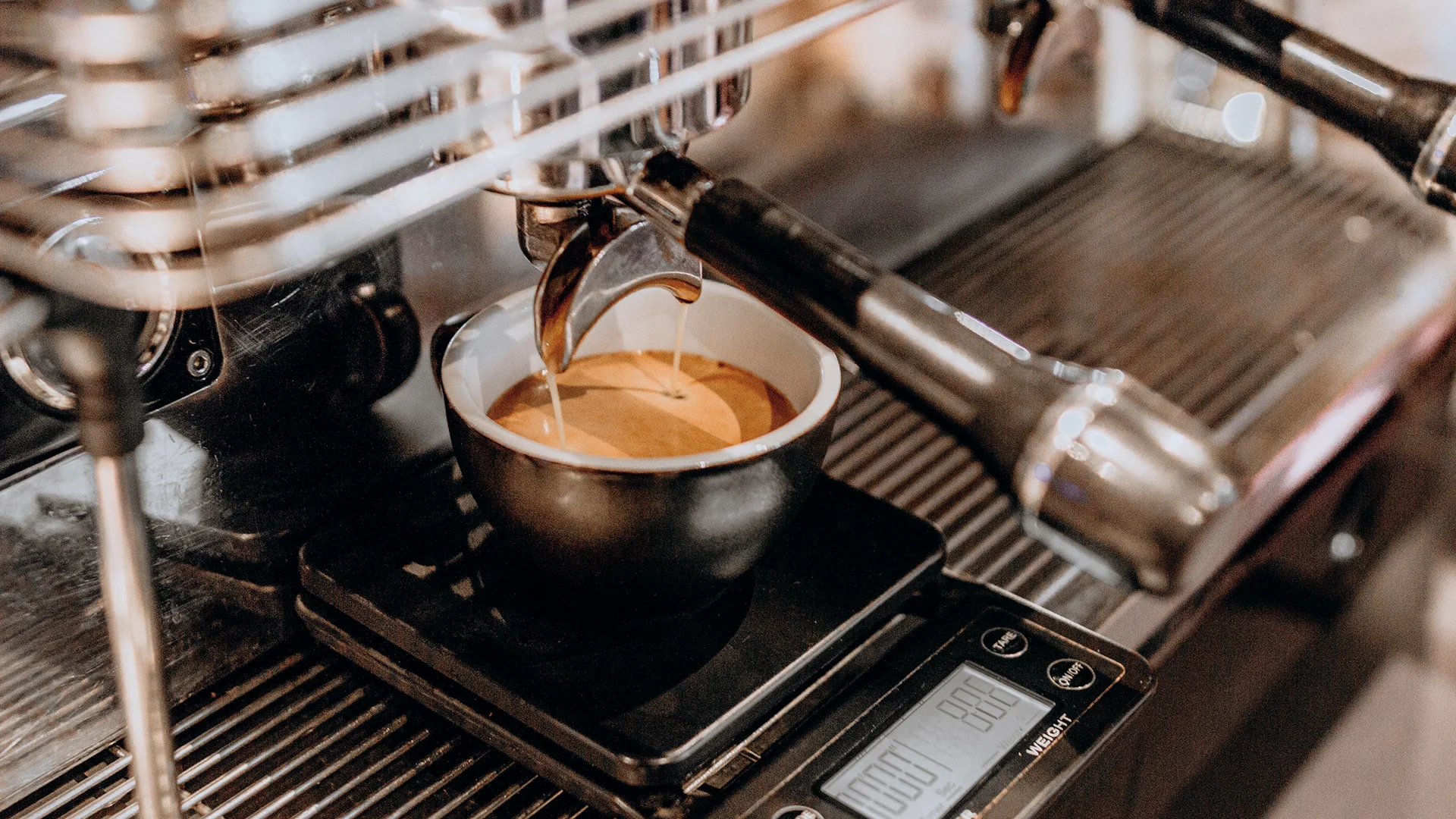
Record the weight of the dry coffee dose, the weight of the finished espresso, extraction time, the initial grind setting and the acceptable deviations that call for an adjustment. This record will help baristas restore the setting more quickly after a change of beans, cleaning or a grind adjustment. Make the final decision based on flavour and extraction quality.
If the café has a backup grinder, clean and check it in advance. It should be ready to dial in and use when needed.
3. Check the Water Filtration System
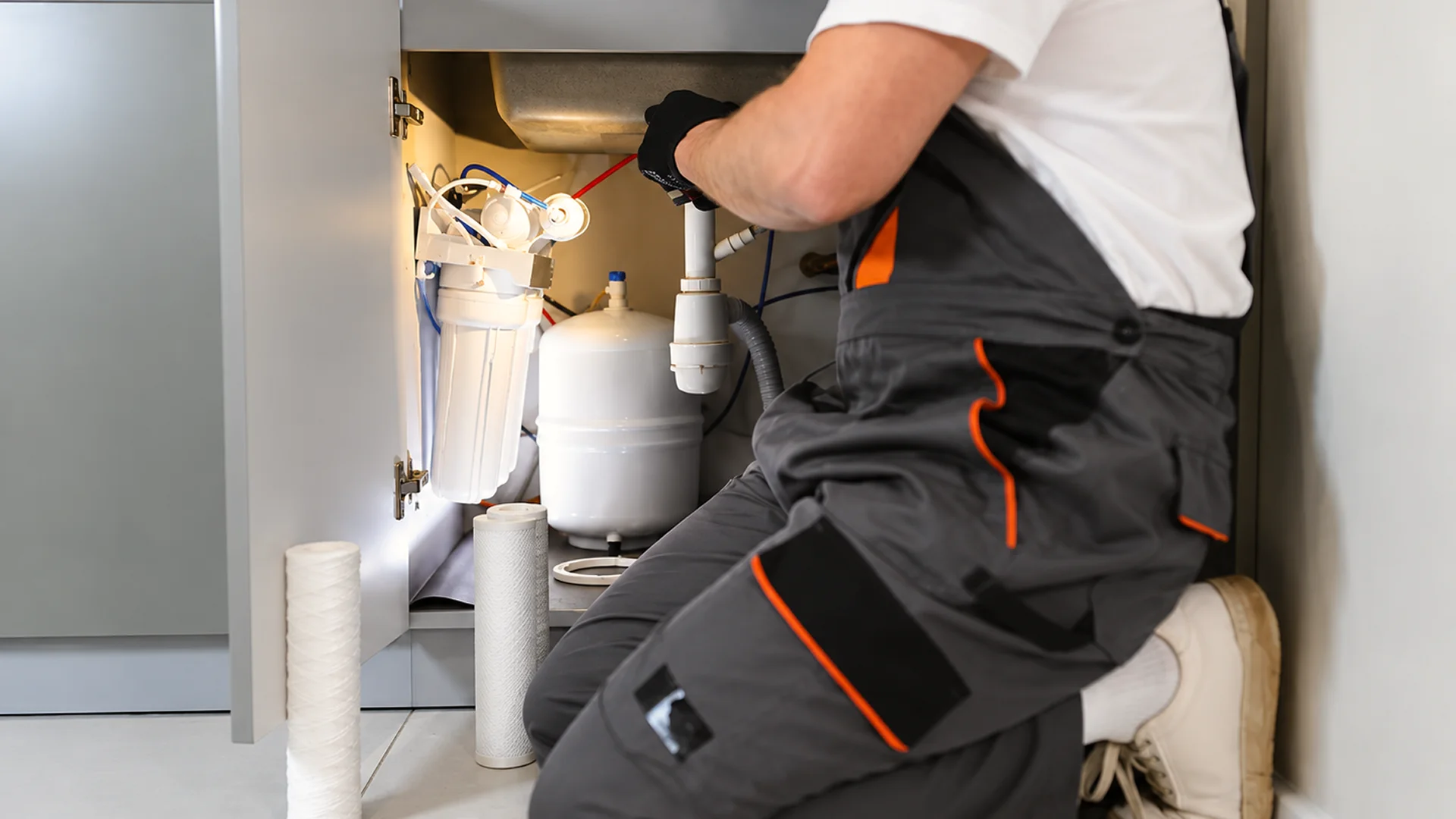
A cartridge’s service life depends on more than its installation date. Its model, local water composition, system settings and water consumption also matter. Check the installation date, calculated capacity for your water, approximate volume already filtered and scheduled replacement date. If the system has a bypass setting, check that too.
Inspect the housing, connections and hoses for leaks. Filtration helps reduce limescale and substances that can affect the water’s smell and taste.
If the cartridge is close to its calculated capacity or due for replacement under its instructions, replace it before the event. Flush the system according to the manufacturer’s instructions, then check the espresso machine.
4. Organise the Coffee Station
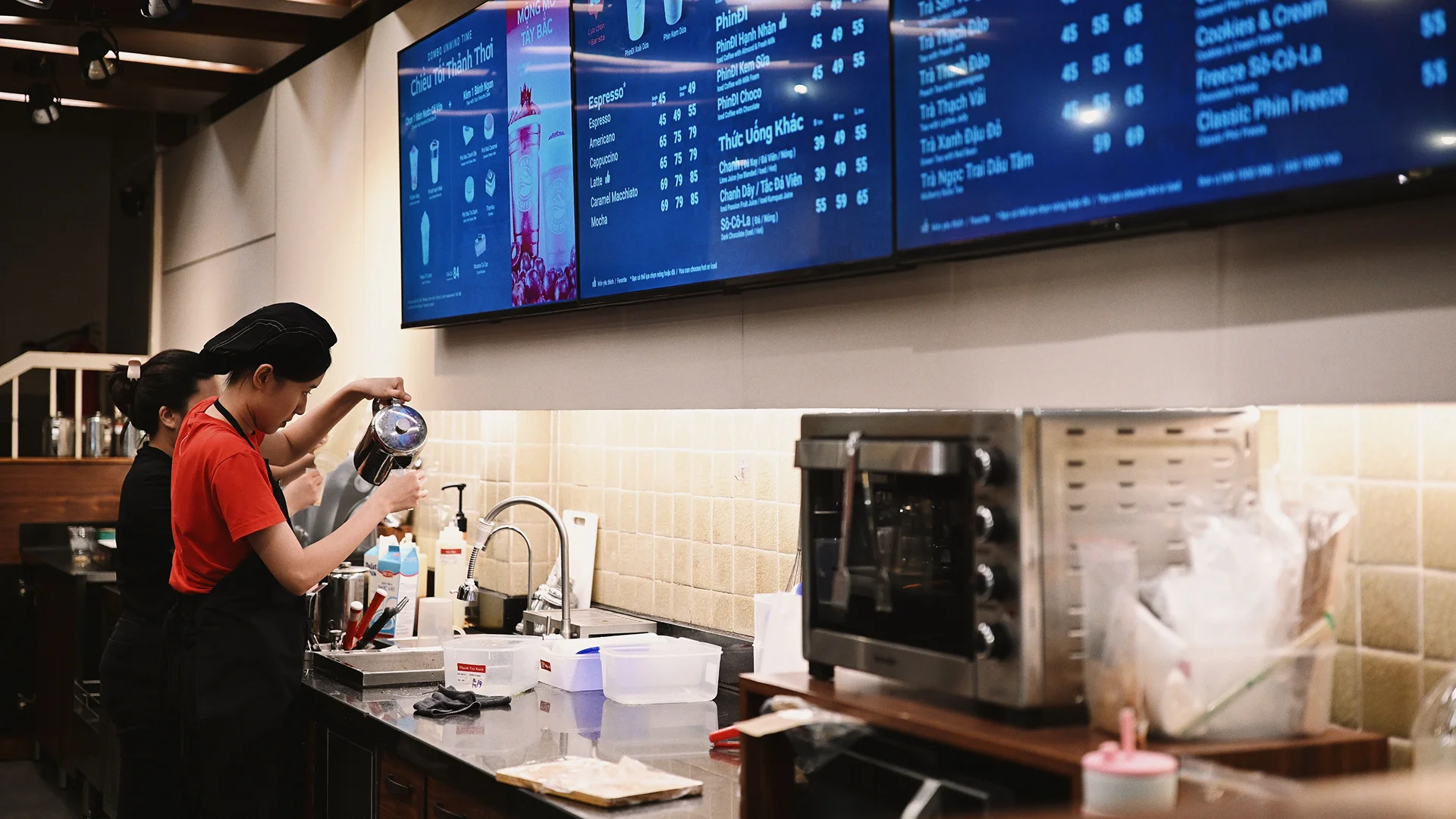
During a rush, extra movements quickly cause delays. Arrange the station around the drink-making process: grinding, distributing and tamping, extraction, milk preparation, assembly and handover. Provide nearby places to discard spent coffee pucks, clean tools and return them after use.
Before opening, place a working supply of beans, milk, cups, takeaway cups, lids and napkins at the station. Keep the main reserve nearby without crowding the counter. Separate clean tools from used ones and set aside places for milk pitchers, dirty dishes, used cloths and waste. Empty the knock box and bin before they fill up.
If several people work at the station, assign roles to suit the bar layout. For example, one person can make espresso, another can handle milk and assemble drinks, and a third can hand over orders and replenish supplies. Everyone should know in advance who takes care of each stage.
5. Divide Cleaning into Three Stages
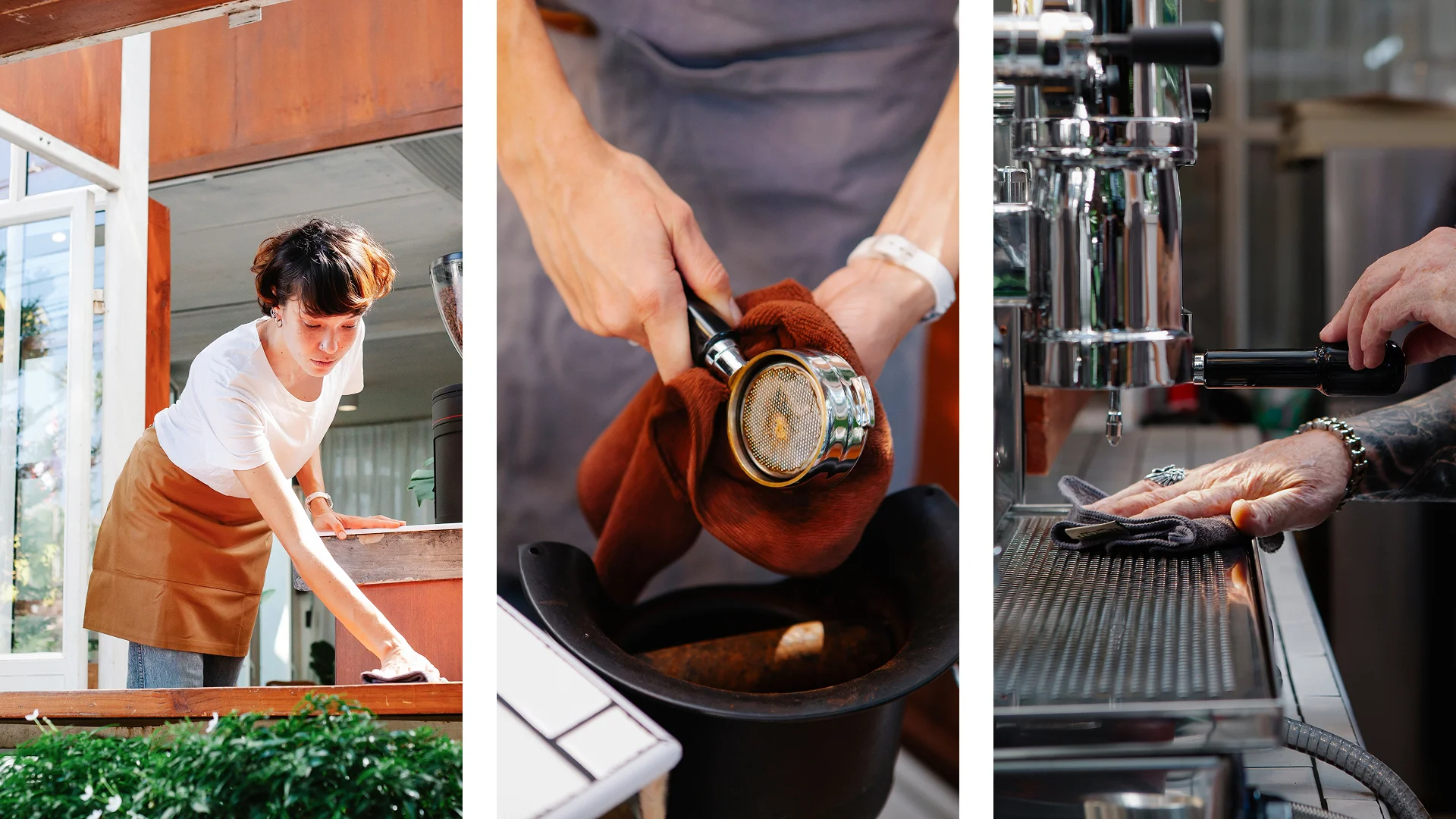
Cleaning does not end when the station is prepared. Plan what needs to happen before the event, during service and after closing. Assign responsibility for cleaning during the shift and at the end of the day.
Before the event, complete a thorough clean of the equipment according to the manufacturers’ instructions and clean the work surfaces. Fully dry any removable parts that are permitted to be washed. Prepare brushes, clean cloths and cleaning products, check the drain and empty the waste containers.
During service, wipe the steam wand with a separate clean cloth and purge it after every use. Flush the groups according to your operating procedure, promptly clean up spilled milk and ground coffee, and replace soiled cloths. Empty containers before they fill up and replenish the station in small batches.
After closing, run the cleaning cycle specified by the manufacturer, then clean and dry the work tools. Store or dispose of remaining ingredients in line with food safety rules, and record any faults or irregularities for the next shift.
6. Calculate Supplies
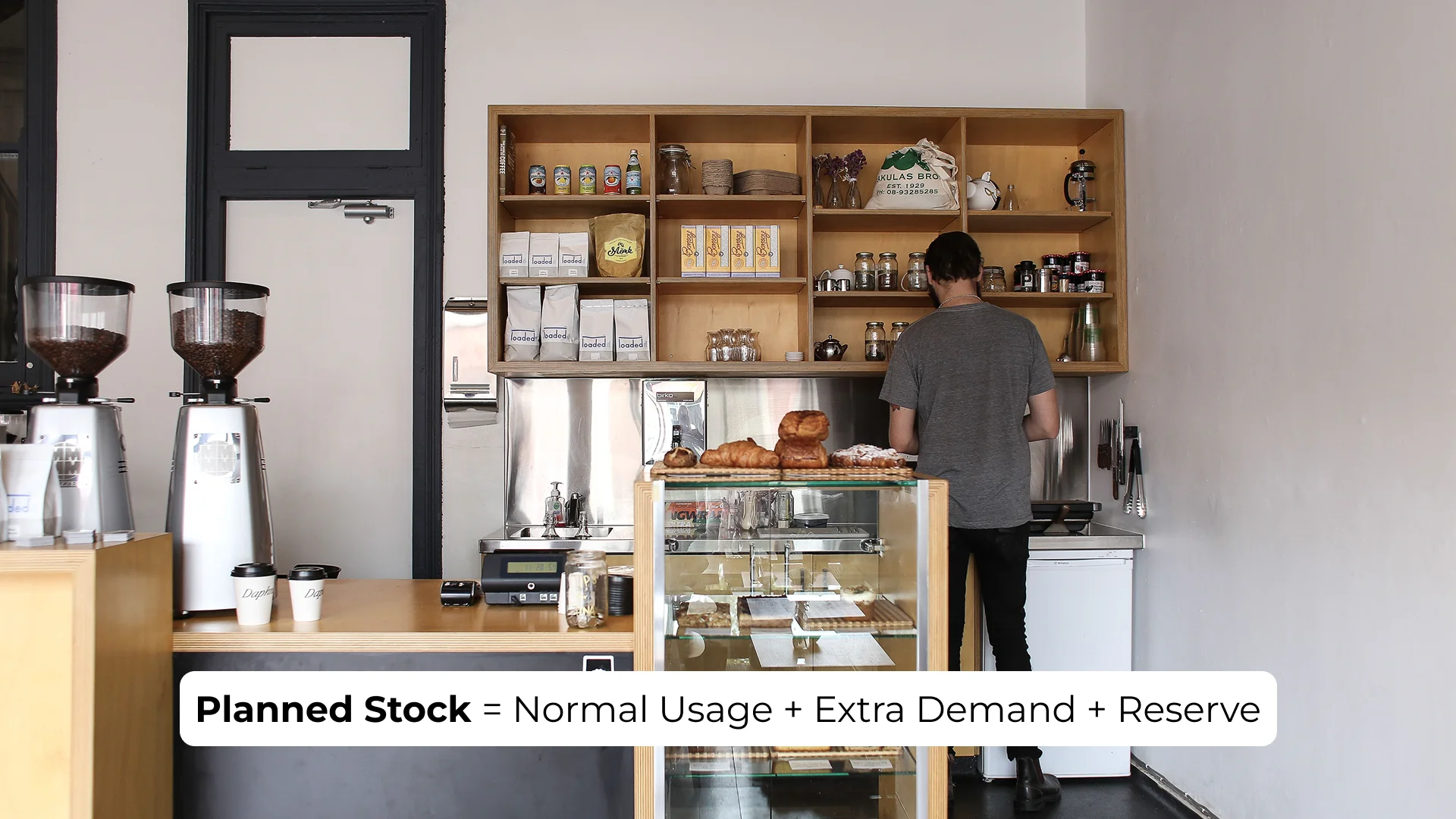
Start with actual usage on a comparable day. Express extra demand as the quantity of each item needed for additional orders, then add a reserve based on how quickly you can restock. Calculate each item over the same period and in the same units:
Planned stock = normal usage + extra demand + reserve
The size of the buffer depends on how reliable your forecast is and how quickly you can receive more supplies. There is no single percentage that works for every café.
Count your main and backup supply of coffee beans, regular and alternative milk, and ingredients for the special drink. Then check takeaway cups in the required sizes, lids, sleeves and straws if you use them, as well as cups, saucers, spoons, sugar, portioned extras and paper filters. Include napkins, clean towels, equipment cleaning products and bin bags.
Set a minimum working quantity for each item and assign someone to replenish the station from storage. This will allow baristas to stay at their workstations even when orders increase.
7. Test the Station Under Load and Prepare a Backup Plan
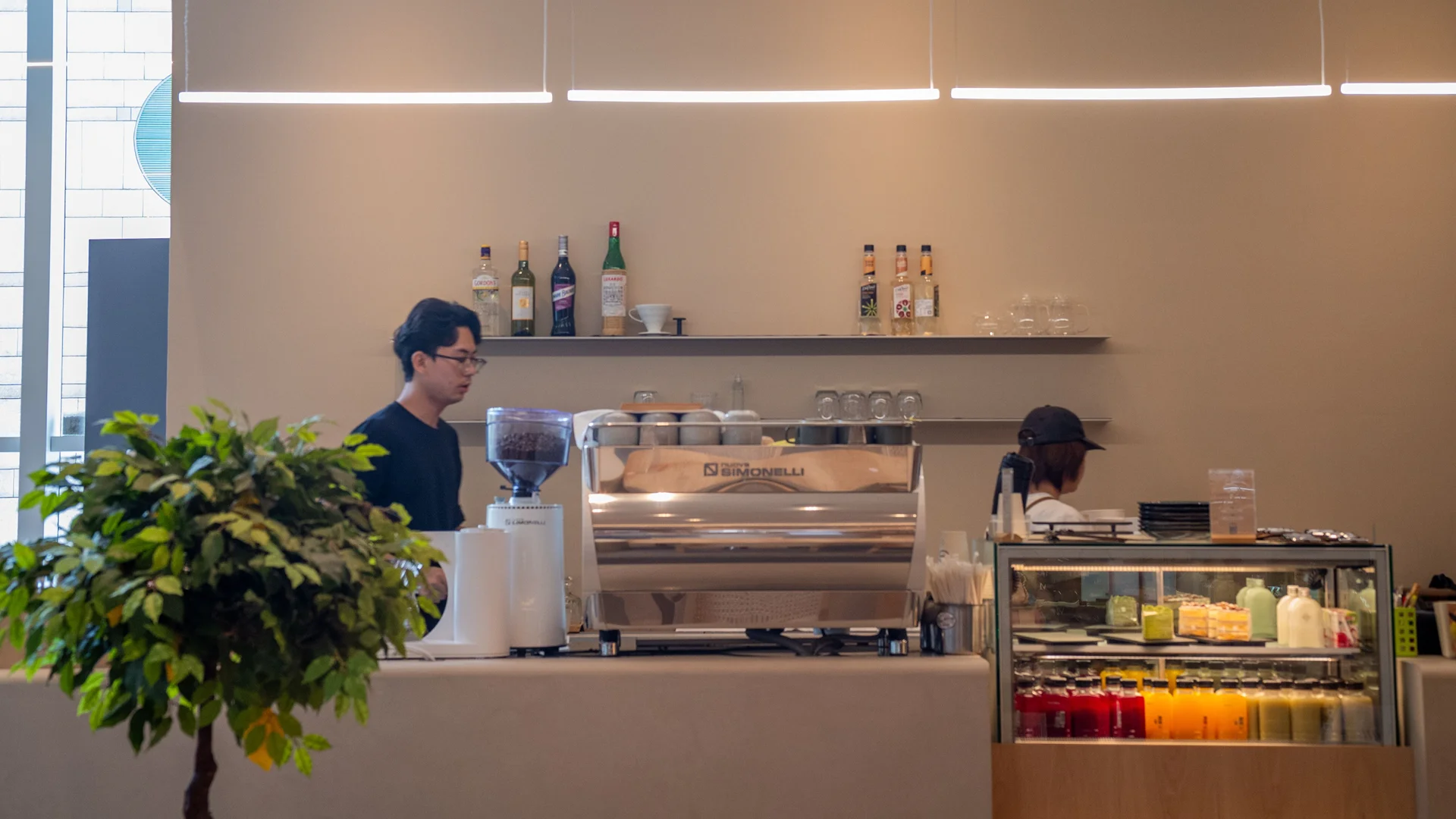
Before the event, send a series of orders to the station at a pace close to your forecast for the busiest hour. See how many drinks the team can prepare without a noticeable loss of consistency and where orders begin to slow down.
Check whether there are enough milk pitchers, portafilters and clean serviceware. Confirm who replenishes milk, beans and packaging, and who makes decisions if equipment fails. Agree in advance which menu items could be paused temporarily.
If one group of the espresso machine fails during service, stop using the machine and contact a service technician. Resume work on the remaining groups only after a technician confirms that it is safe and permitted by the manual. Decide which drinks to pause in the meantime. If the main grinder fails, switch to the backup grinder you have already checked or reduce the menu. If a key ingredient runs out, the manager should stop selling the affected item and inform the team and guests.
After the test, adjust tool placement, supplies and staff roles. The team will then meet the event with a workflow it has already tried.
What to Check the Day Before
Before closing on 30 September, confirm five things:
The espresso machine is clean and working; its groups and steam wands function properly.
The grinder is clean, the espresso recipe is recorded and the filter’s remaining capacity has been checked.
The station is organised, and supplies have been calculated and put in place.
The team knows its roles and the agreed backup plan.
The responsible staff member has the service contact details.
What to Check Before Opening on 1 October
Allow the espresso machine to warm up fully according to its instructions, then check the groups, steam and hot water. Dial in the grinder, make and taste a test espresso, and confirm the recipe for the special drink.
Replenish the station and prepare the cleaning supplies. Before the first order, briefly review roles and the backup plan with the team so everyone knows what to do during the busiest period.
Preparation Helps Keep Service Consistent
The pace may increase on the day, but drink quality and an orderly station should remain consistent. Checked equipment, a recorded recipe and clear roles help the team keep up.
Prepared supplies and a backup plan help the café maintain its usual standard of service as orders increase.