
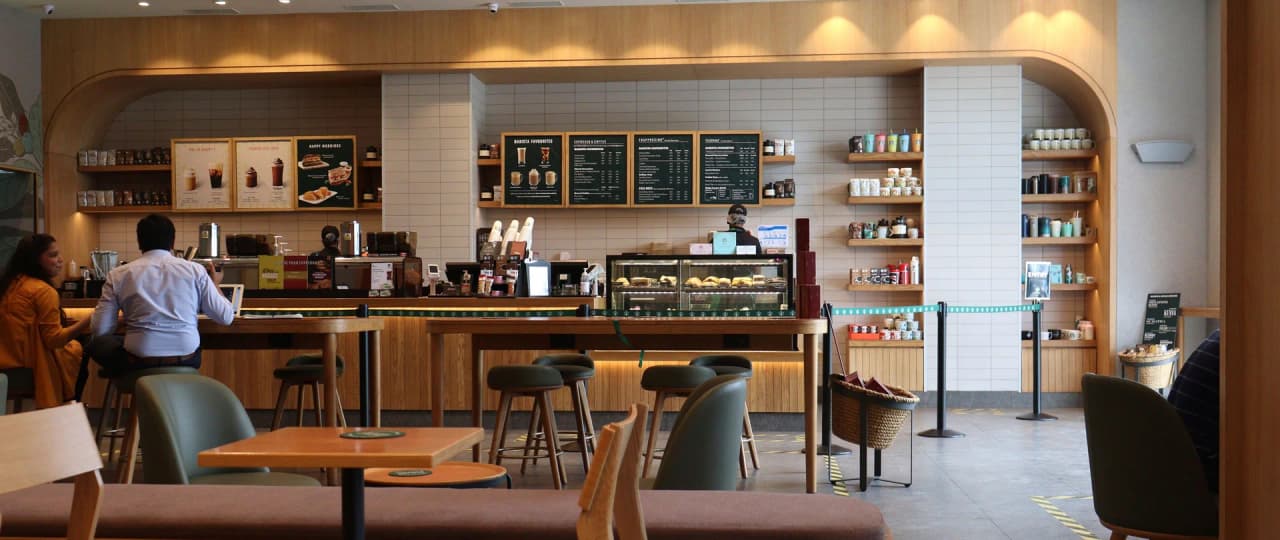
Step 1: Define the fastest customer path
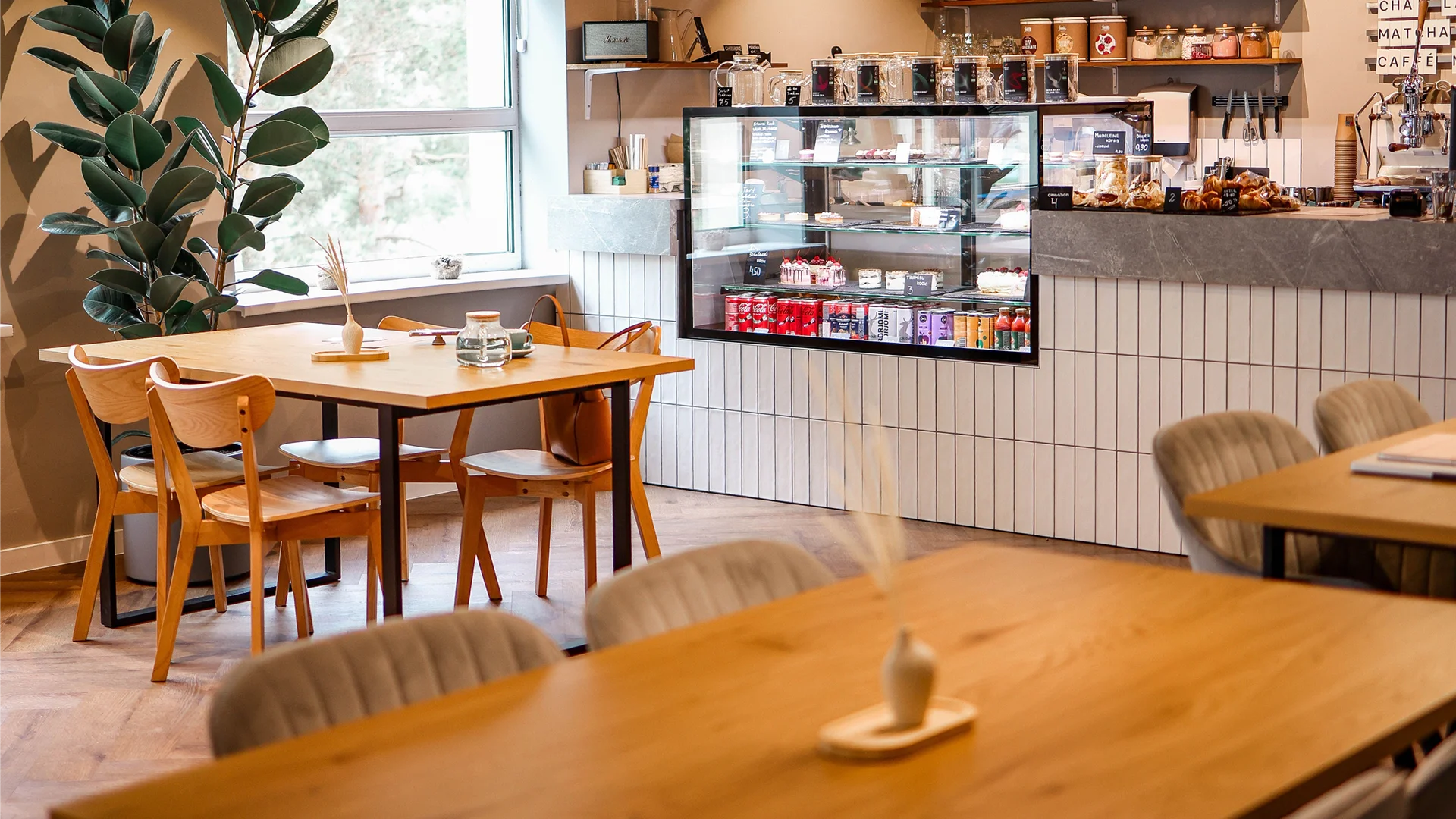
Start with movement, not equipment. Map the route from entrance to product view, then to ordering, payment, and pickup. Customers move faster when every point is visible before they ask staff for help.
Use this sequence: entrance → display fridge → order point → payment → order handoff area.
Keep pickup separate from payment, and keep the customer path outside the staff workflow. Keep the display area early in the route so chilled food becomes part of the decision before the customer reaches the till.
Step 2: Position the cafe display fridge for visibility and impulse sales
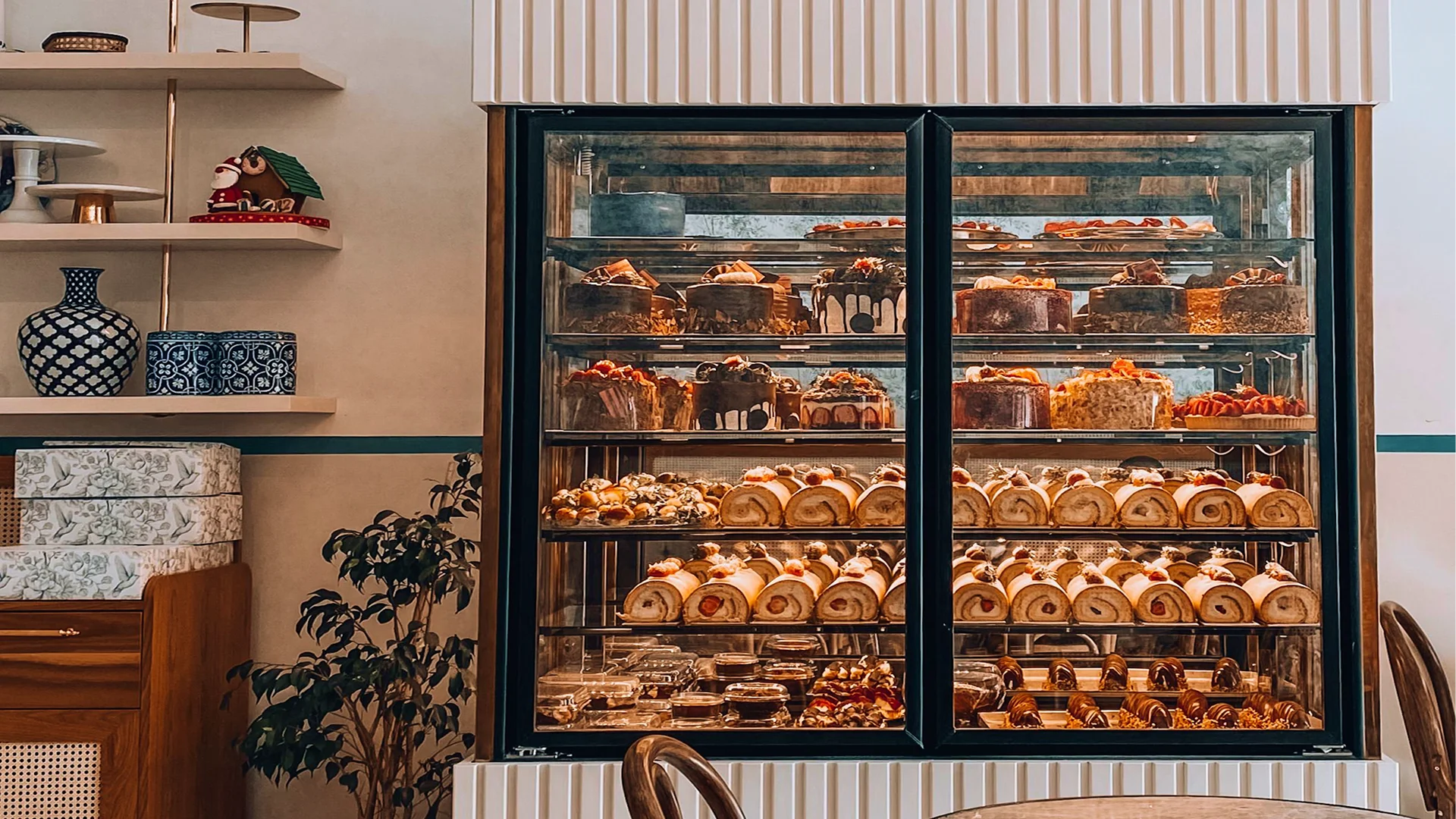
The cafe display fridge is not just cold storage. It is a direct sales tool. If customers can see fresh sandwiches, salads, desserts, bottled drinks, and ready-made snacks immediately, they make quicker choices and add more items to their order.
Place the fridge near the entrance or along the natural ordering path. Customers should be able to scan the contents in seconds. Keep the front rows full, labels readable, and high-margin products at eye level.A well-stocked fridge supports freshness perception and stronger impulse purchases.
From an ROI perspective, the right placement improves return on floor space. Instead of using refrigeration as a backline utility, you turn it into a high-visibility sales point that works all day. Buy the cafe display fridge before you finalise the counter plan; its size and visibility angle affect the whole grab and go coffee shop setup.
Step 3: Group grab and go products by buying logic
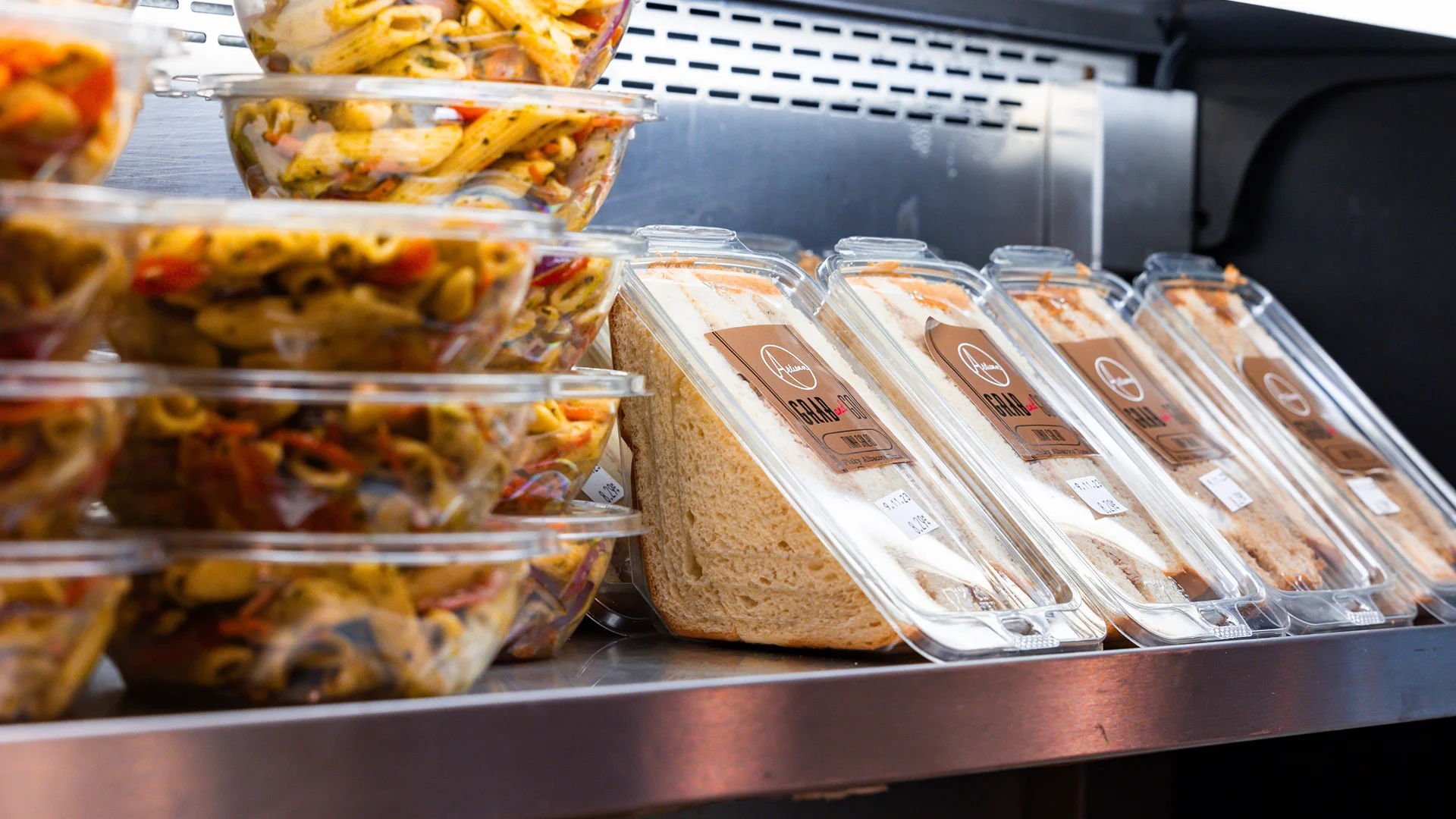
Do not merchandise products randomly. Organise them by how customers actually buy. Place breakfast items together. Keep lunch items together. Put snacks and chilled drinks where customers can add them in one quick glance.
Fast retail depends on low-friction decisions, clear pricing, and simple product grouping.
Use the best shelf positions for high-margin products: premium bottled drinks, packaged desserts, protein snacks, and ready-to-eat lunch items. The goal is not complexity. The goal is fast recognition and strong basket building.
Step 4: Keep takeaway packaging within one step of the prep zone
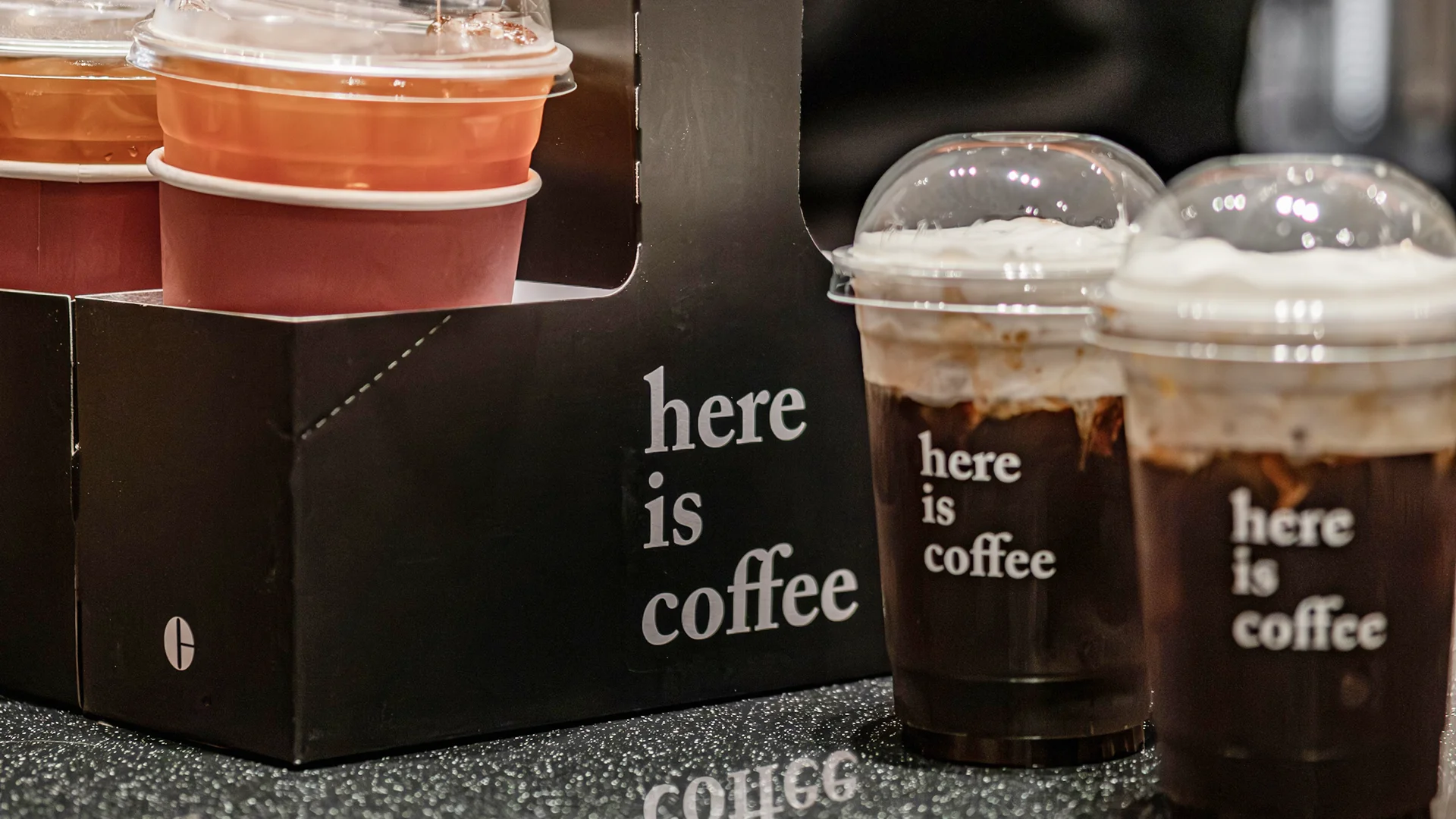
Packaging placement directly affects service speed. In many cafés, the biggest hidden inefficiency is not brewing time. Staff lose time when they have to reach for cups, turn around for lids, search for bags, or restock supplies during peak service.
Staff work fastest when cups, lids, sleeves, straws, napkins, bags, and cup carriers stay within immediate reach of the order assembly area. Use vertical storage or labelled compartments so staff can grab supplies without breaking workflow.
This is where buying takeaway packaging wholesale supports efficiency as well as cost control. Bulk purchasing gives you better stock consistency and reduces the risk of running out of core items during peak demand. Set a minimum stock level and reorder before the weekend rush.
Step 5: Stock the takeaway gear that protects the order in transit
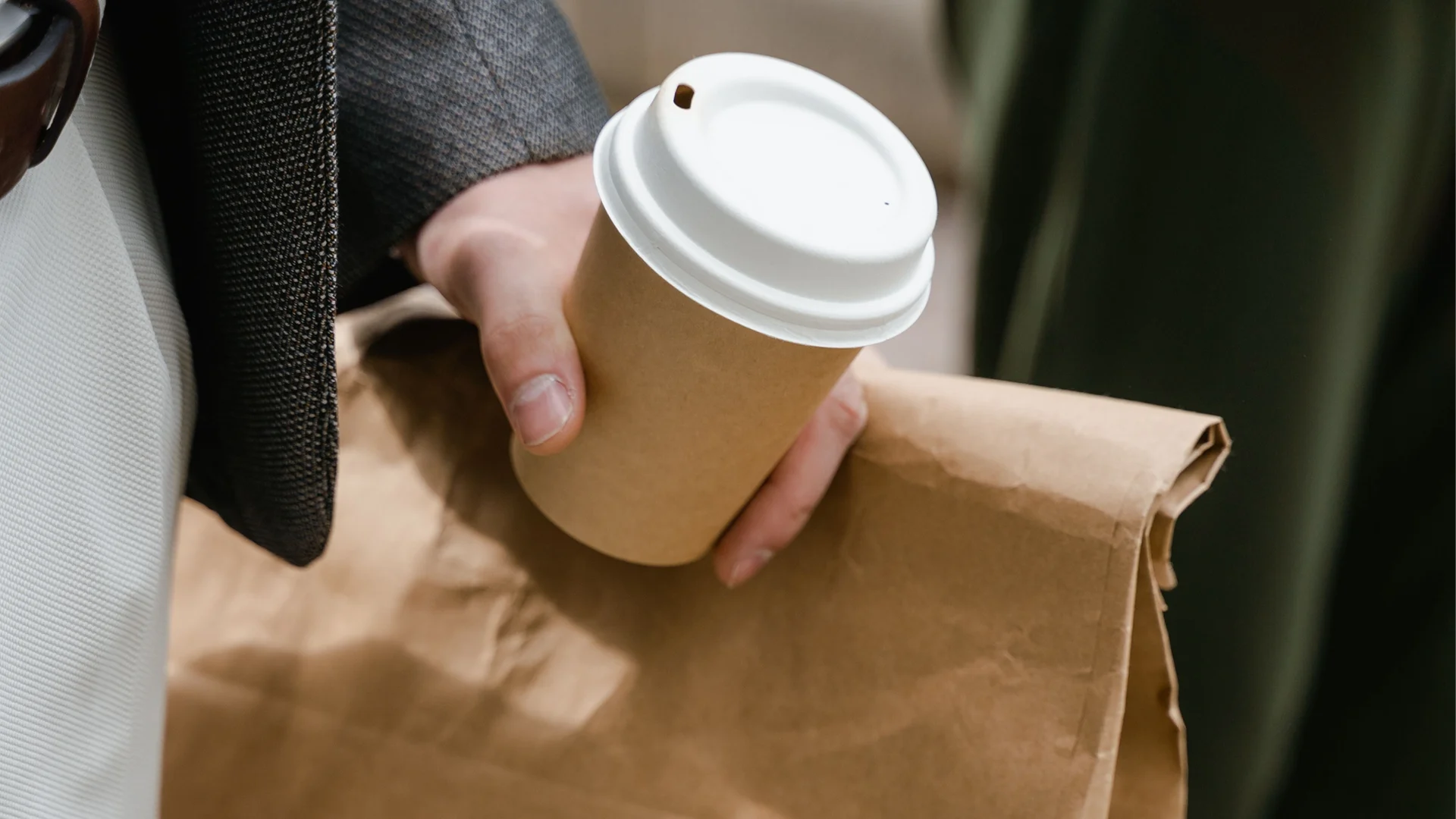
A grab and go setup needs packaging that supports mobility, not just presentation. Once the order leaves the counter, the customer judges quality by how easy it is to carry and how well it holds together.
Your essential gear should include takeaway cups, secure lids, sleeves where needed, takeaway bags, napkins, and cup carriers. Each of these items has a business role. Good lids help reduce spills. Strong carriers make multi-drink orders easier to manage. Reliable bags reduce product damage and improve convenience for office workers, commuters, and students.
This is why packaging should be treated as an operational investment, not a low-priority consumable. In margin terms, the right supplies protect the sale you already won. In workflow terms, they help staff finish the order cleanly at speed.
Step 6: Test the Customer Flow During Peak Hours and Improve It
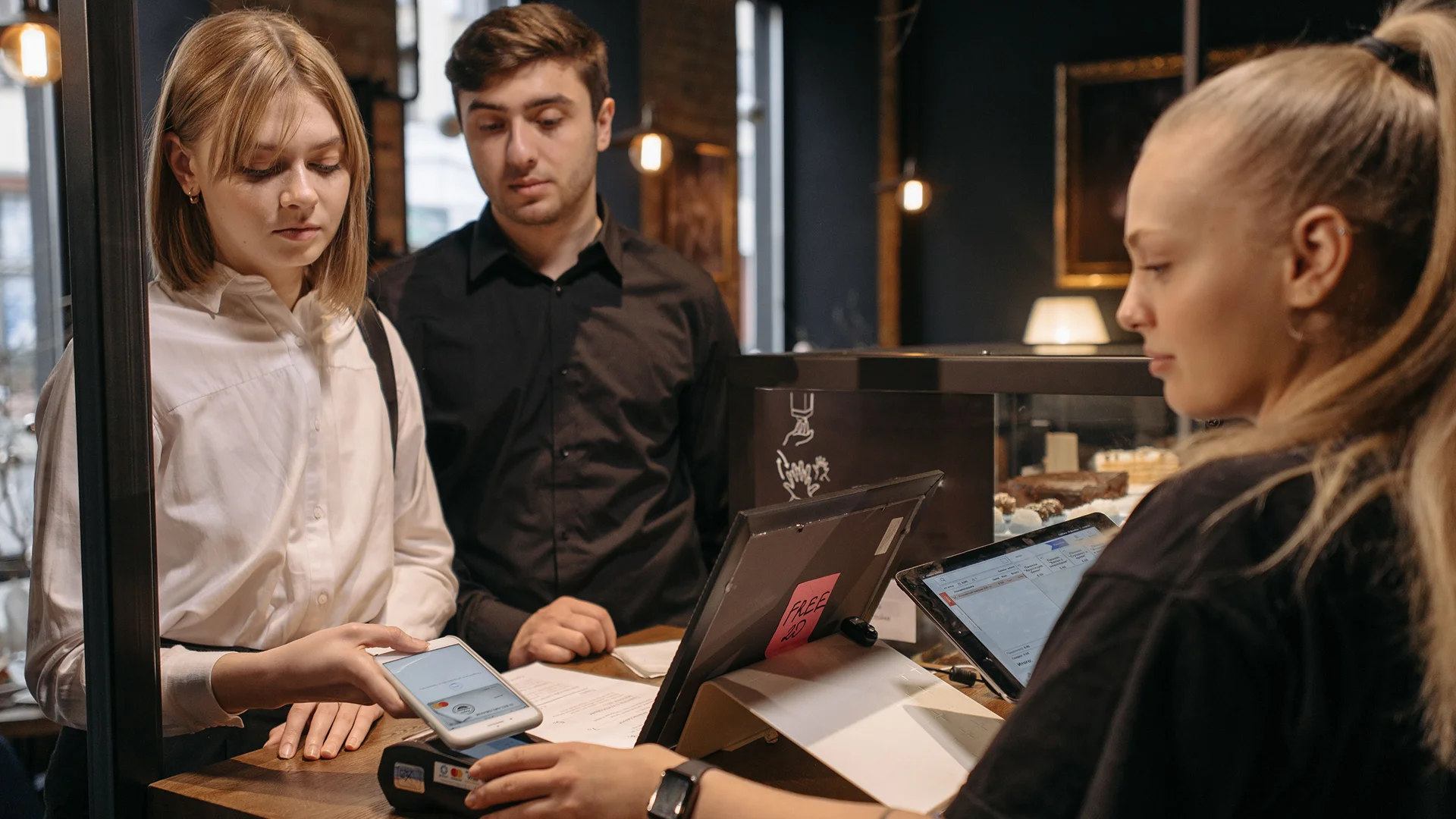
A layout that looks efficient at 11:00 can fail at 13:00. Final optimisation only happens when the café is busy.
Watch how customers approach the fridge. Check where the queue starts to compress. Track where staff lose motion while assembling orders. Then make practical adjustments: move packaging closer, rebalance fridge shelves, shift pickup away from payment, and restock before the display looks empty.
A better fridge position, a cleaner packaging station, or a more accessible carrier shelf can improve throughput without major renovation. The bottom line is simple. A good grab and go coffee shop setup is never accidental. It is built, tested, and refined around speed, visibility, and repeatable service.
Common Mistakes
- The first mistake is placing the cafe display fridge where customers only notice it after they have already ordered.
That limits impulse purchases and wastes one of the strongest sales assets in the café.
- The second mistake is storing cups, lids, and takeaway bags too far from the prep zone.
Staff then waste time reaching for essentials during every order.
Many cafés also use packaging that slows down the handoff.
Loose-fitting lids, awkward bags, and weak cup carriers create delays at the counter and frustration after pickup.
- A further issue is poor restocking access.
If staff cannot refill packaging or replenish grab and go items quickly during service, the setup becomes unreliable exactly when demand is highest.
The most profitable setups avoid these weak points by treating display, packaging, and assembly as one connected workflow. The fridge creates the impulse purchase. The packaging station completes it fast.
FAQ
How big should a cafe display fridge be for a small takeaway café?
Choose a size that supports your top-selling chilled products without overcrowding the floor.
The key factor is not maximum volume. It is clear visibility, easy replenishment, and a product range that customers can scan quickly.
A compact cafe display fridge in the right position usually sells better than a large unit hidden from view.
What packaging should every grab and go coffee shop setup include?
At minimum, you need takeaway cups, lids, sleeves where appropriate, takeaway bags, napkins, and cup carriers.
These are the basics that support fast assembly and reliable transport.
For busy cafés, these items should be bought as takeaway packaging wholesale stock to keep sizes consistent and reduce restocking risk.
Is takeaway packaging wholesale a better option for busy cafés?
Yes, in most cases. Takeaway packaging wholesale usually improves cost control, helps maintain stock consistency, and makes it easier to standardise your workflow during busy trading periods.
It also prevents handoff delays caused by missing lids, bags, or carriers during peak service.