

Selection Criteria
This list covers products that directly support:
consistent cleaning routines;
food-contact surface hygiene;
floor safety;
handwashing readiness;
efficient waste handling.
1. Kitchen Degreaser: Grease Control
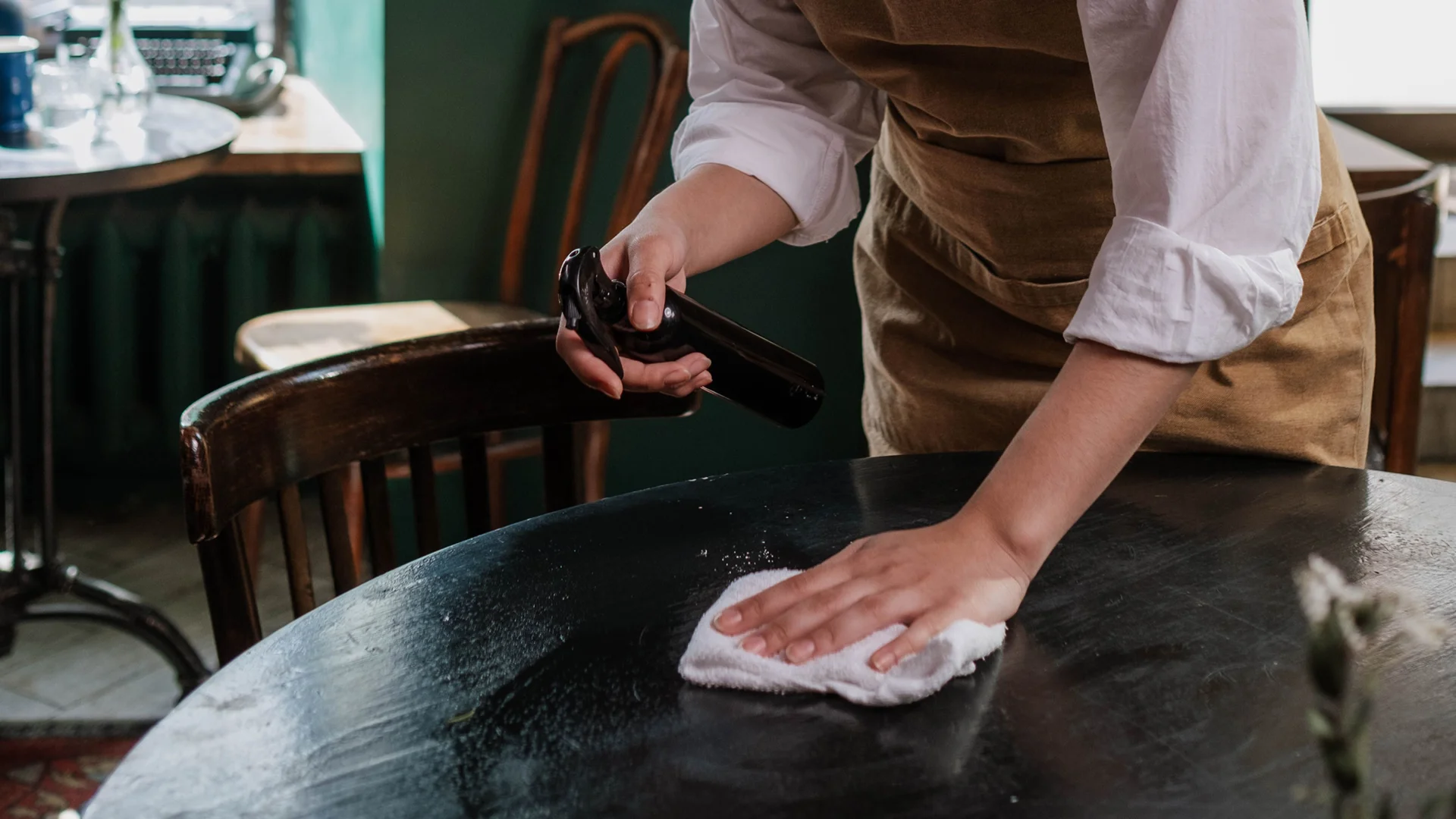
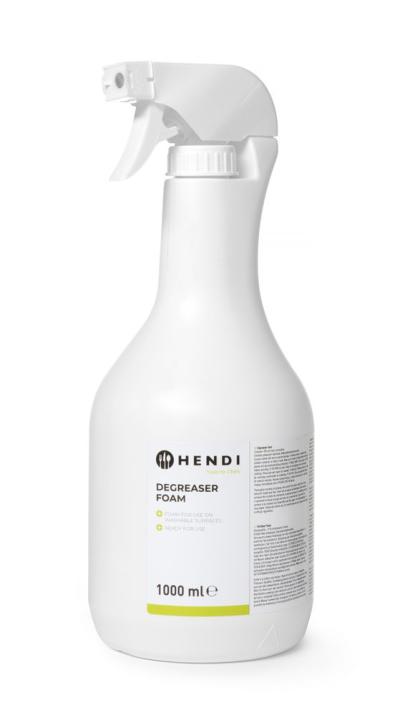
A professional kitchen degreaser helps cafés remove grease from counters, splash zones, preparation surfaces, and equipment used for heated food. It is especially useful in cafés where pastries, sandwiches, and toasted items are prepared throughout the day.
Regular degreasing prevents visible buildup, shortens cleaning time, and keeps the procedure consistent across shifts. This helps preparation areas remain cleaner during service and reduces the amount of work required at closing.
Choose a professional foodservice product suitable for the intended surface and follow its dilution and contact-time instructions. Because degreaser is used frequently, include it in the planned bulk-replenishment cycle.
2. Surface Sanitizer: Prep-Area Hygiene
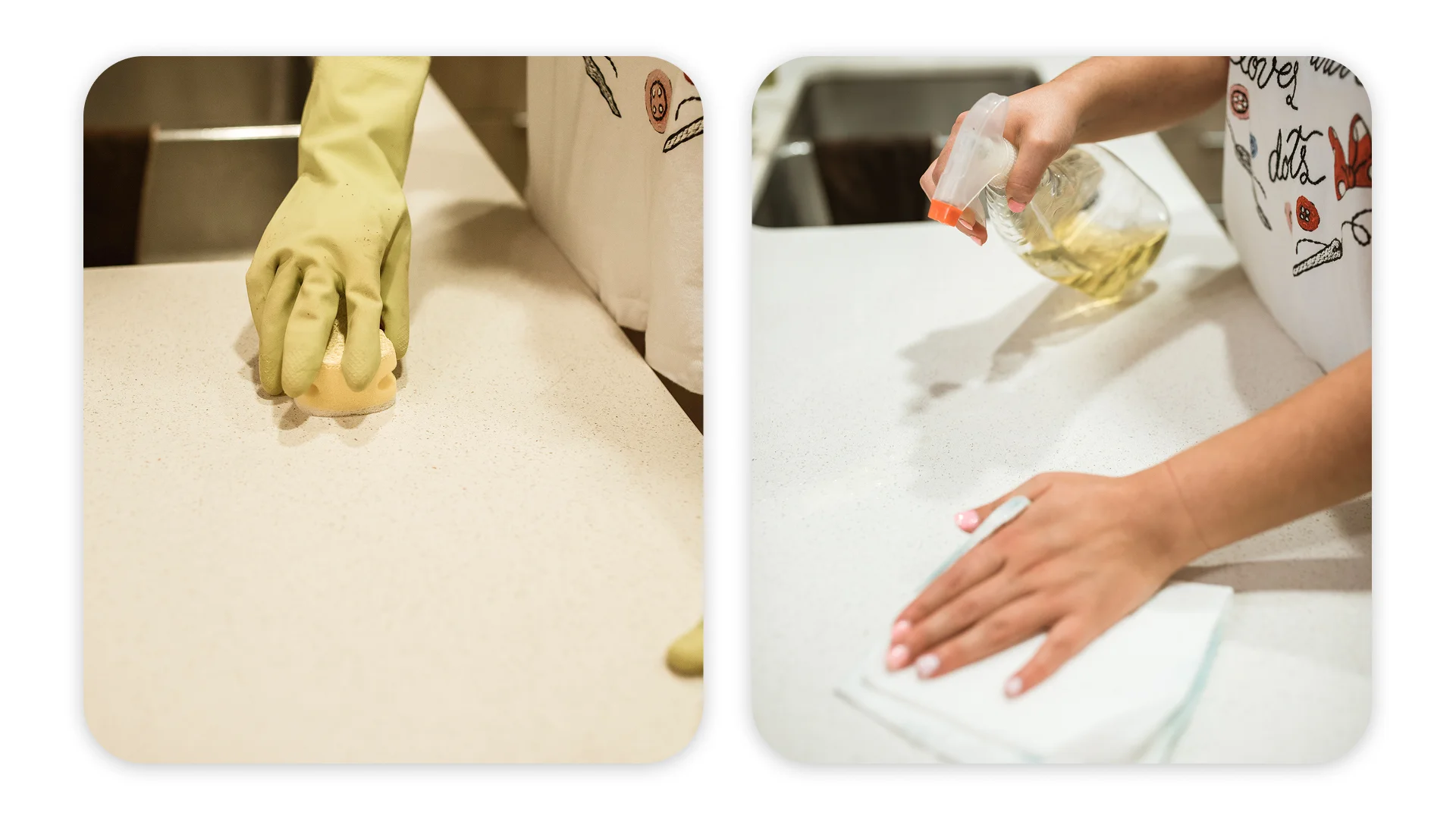
A food-contact surface sanitizer is used after visible soil and grease have been removed. It is intended for preparation and service surfaces that come into contact with food or are used directly around it.
A separate sanitation step helps cafés maintain a consistent hygiene routine. Together with a degreaser, the sanitizer forms the basic system for daily cleaning: the degreaser removes soil, while the sanitizer completes the surface-treatment process.
Choose only a product explicitly intended for the relevant food-contact application. Follow the manufacturer’s instructions for dilution, contact time, and rinsing, and keep enough stock to complete the same procedure during every shift.
3. Coffee Machine Cleaner: Equipment Hygiene
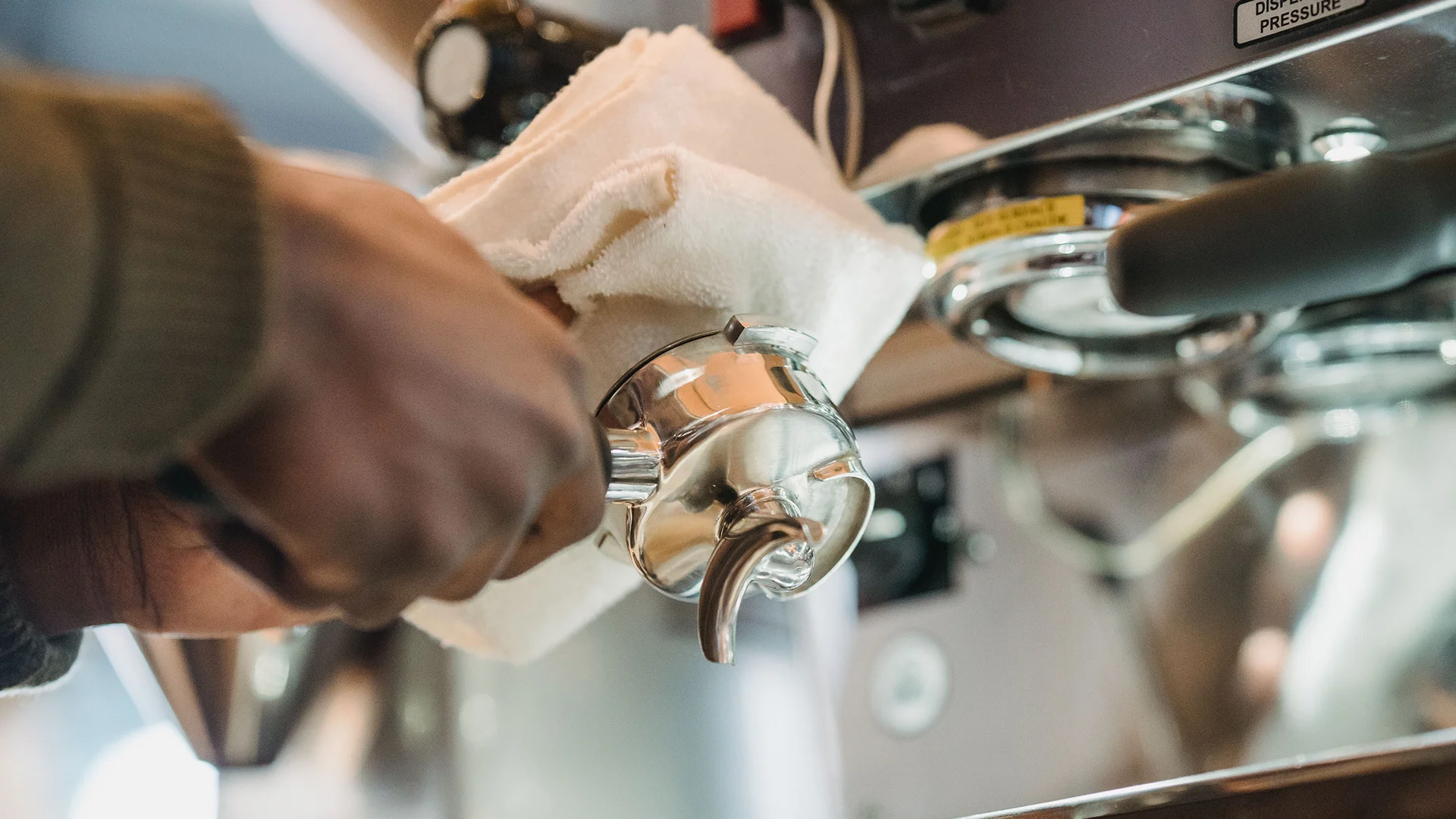
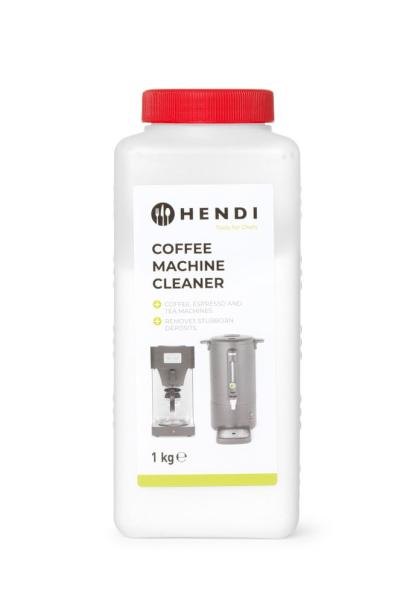
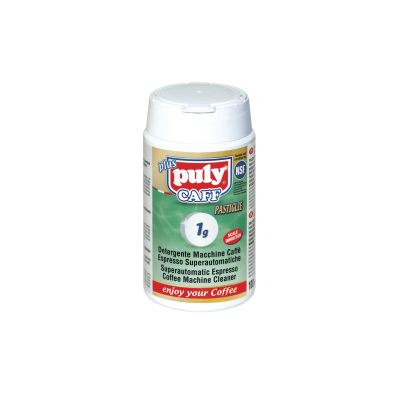
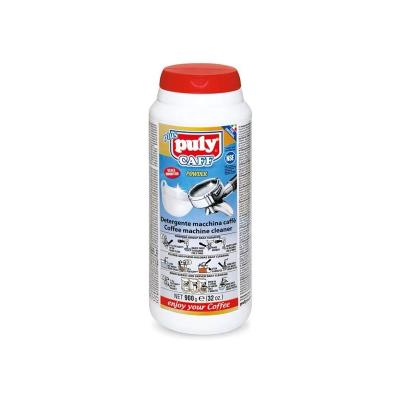
A coffee machine cleaner removes coffee oils and beverage residue from brewing groups, valves, filters, and other parts specified by the equipment manufacturer. It is formulated for cleaning needs that general-purpose products cannot safely and effectively cover.
Consistent cleaning helps protect drink quality, maintain stable water flow, and support reliable equipment performance. In a high-volume café, proper maintenance contributes to more consistent espresso preparation throughout the day.
Choose a powder or tablet product that is compatible with the specific machine and its cleaning program. Follow the prescribed dosage and plan stock levels according to the number of machines and the frequency of daily and weekly cleaning cycles.
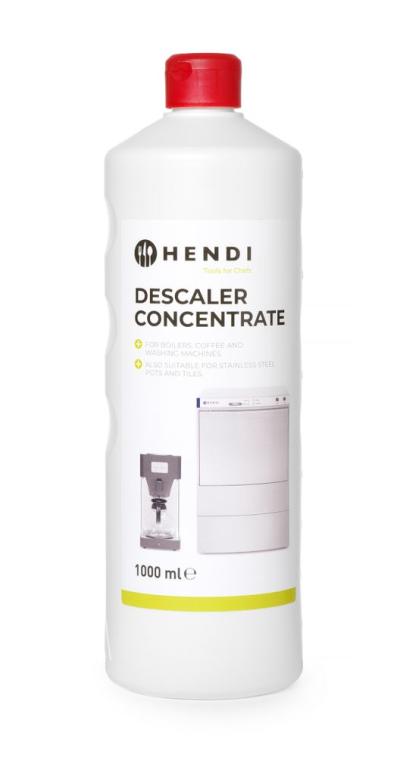
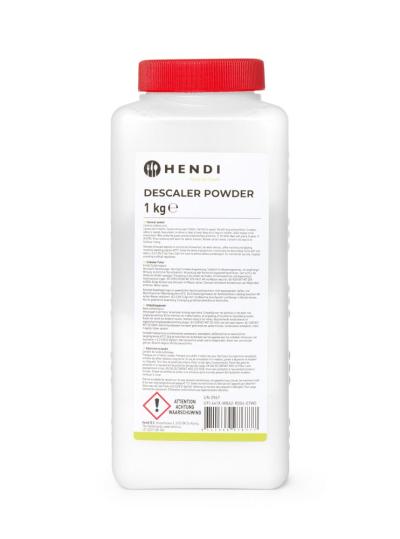
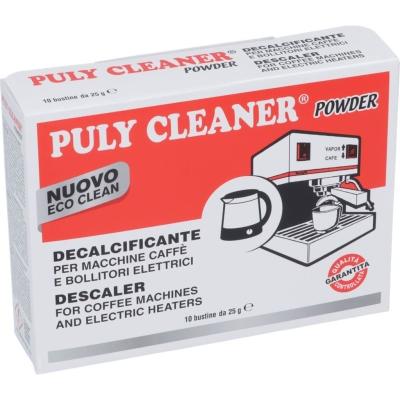
4. Descaler: Equipment Protection
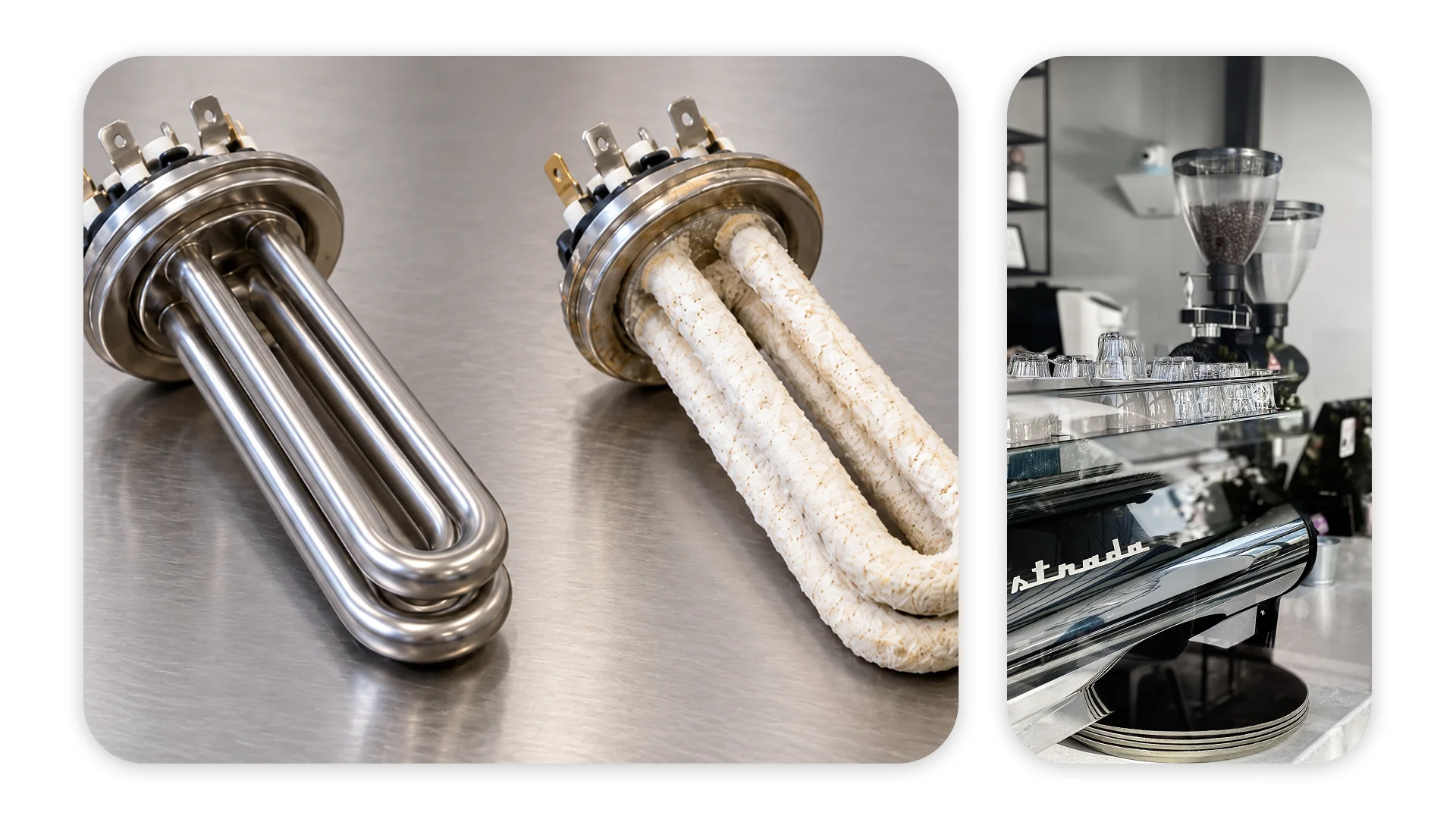
A professional descaler removes mineral deposits from espresso machines, boilers, kettles, and equipment used to heat or dispense hot water. Scale control is part of routine preventive maintenance wherever water is heated.
Regular descaling helps maintain stable water flow, efficient heat transfer, and reliable equipment performance. It also reduces the risk of service interruptions caused by accumulated mineral deposits.
Choose a powder or liquid concentrate that is compatible with the equipment manufacturer’s recommendations. Determine purchasing quantities and descaling frequency according to water hardness, equipment use, and the preventive-maintenance schedule.
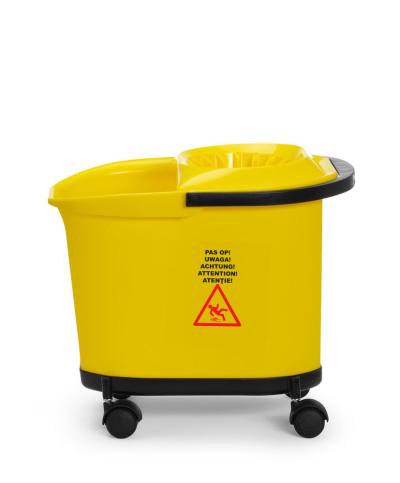
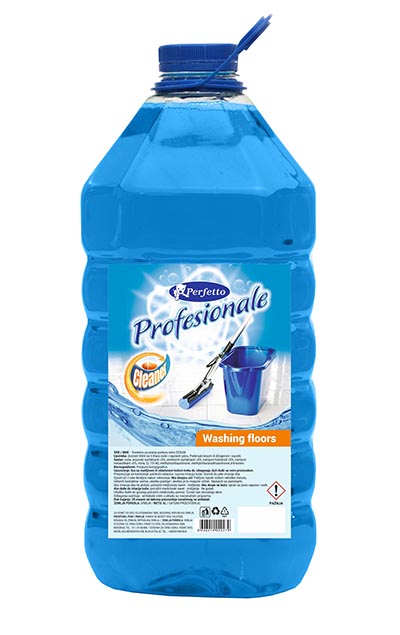
5. Mop Bucket and Floor Cleaner: Daily Floor Care

A commercial mop bucket and professional floor cleaner form the basic system for daily floor care. They are used during service to deal with spills and after closing for thorough floor cleaning.
A bucket with a wringer makes it easier to control the amount of water left on the floor, while a suitable cleaner removes everyday soil. A consistent procedure supports both cleanliness and safety.
Choose a durable bucket that is easy to empty and a cleaner suitable for the floor material and frequent use. Calculate the required stock level according to the floor area and the number of cleaning cycles completed each day.
6. Wet Floor Sign: Slip Prevention

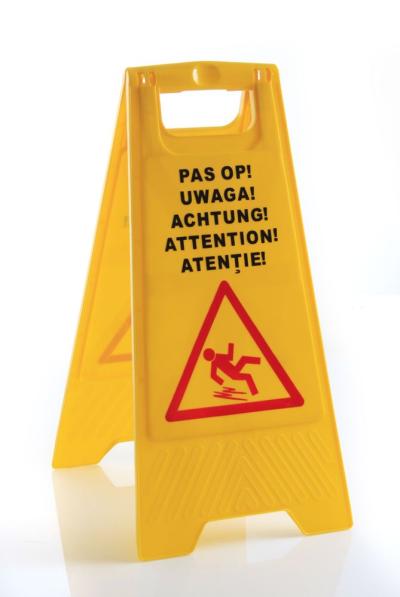
A wet floor sign identifies a temporary slip risk while cleaning is in progress or a spill is being cleared. Place it before starting the work and leave it in position until the floor is completely dry.
A visible warning allows staff and customers to notice the affected area and move around it more safely. The sign complements the floor-cleaning procedure but does not replace prompt spill removal.
Choose a stable, highly visible, foldable sign that is easy to clean and store. In larger cafés, keep enough signs to mark several affected areas at the same time.
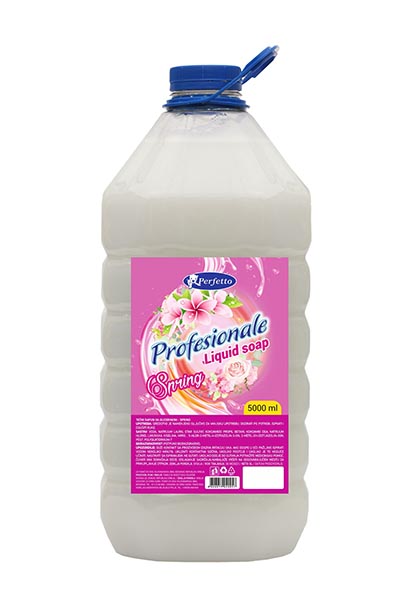
7. Hand Soap and Paper Towels: Hand Hygiene
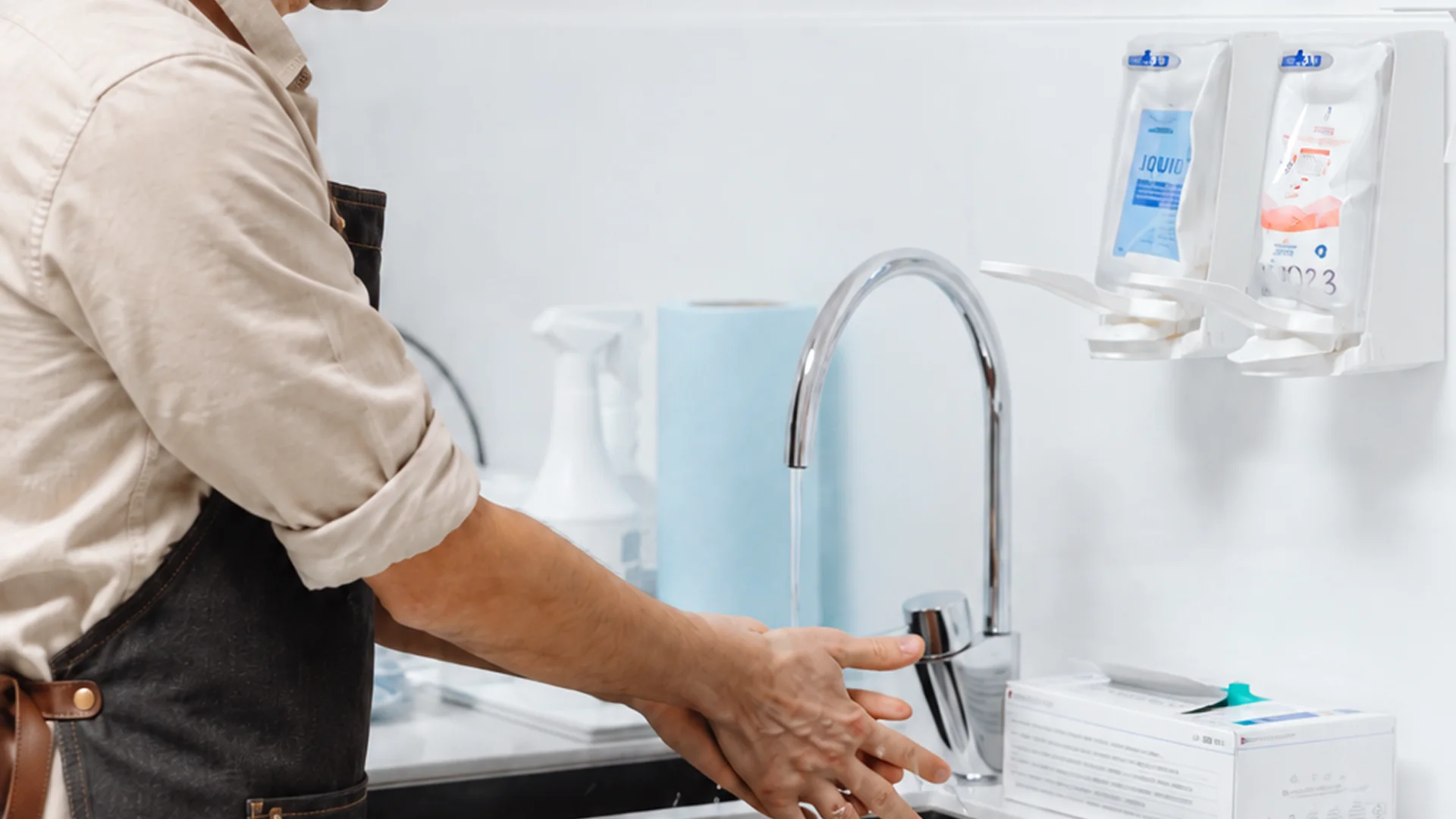
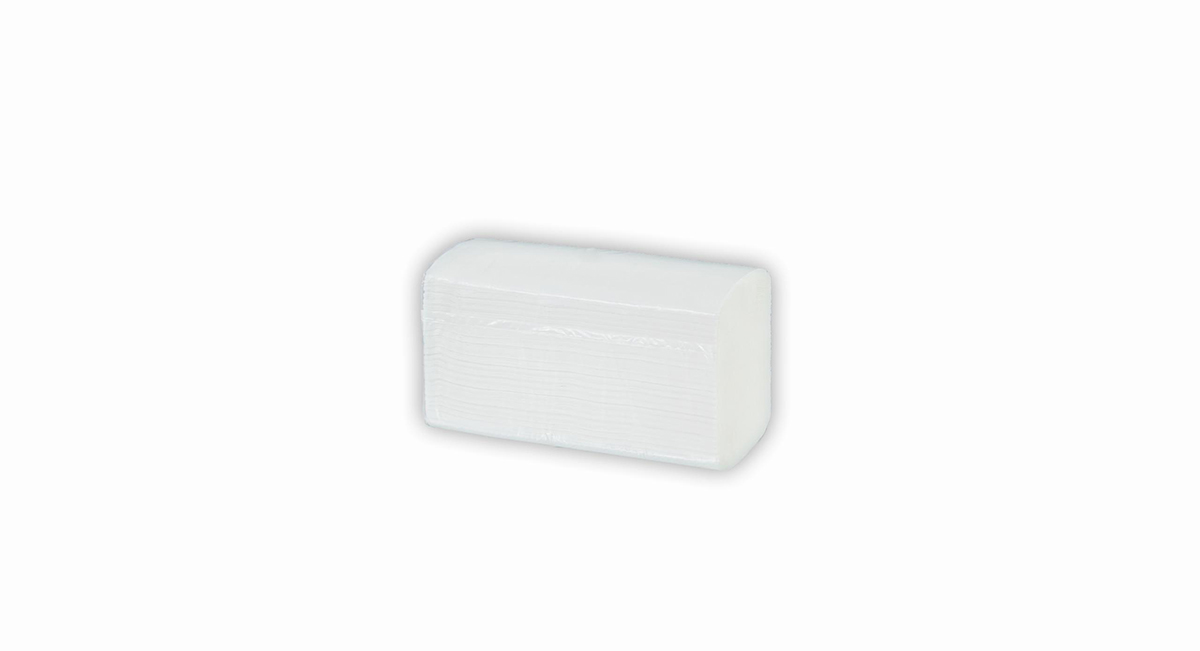
Liquid hand soap and paper towels keep handwashing points in preparation, service, and restroom areas ready for continuous use. Both products must be available at the same time for the handwashing and drying procedure to be complete.
Managing soap and paper towels as one supply category reduces the risk of partially stocked handwashing points. In high-volume cafés, consumption can increase quickly during peak periods.
Choose refills that are compatible with the existing dispensers and set minimum stock levels according to staff and customer traffic. Purchase both products together and check stock according to a fixed schedule during every shift.
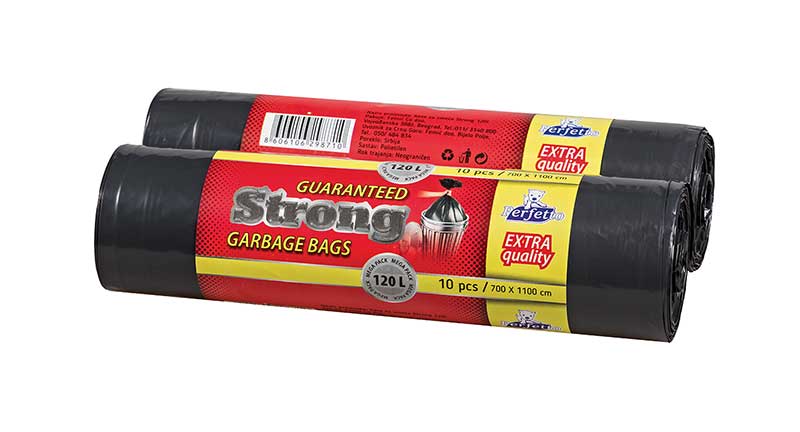
8. Waste Bin and Liners: Waste Control
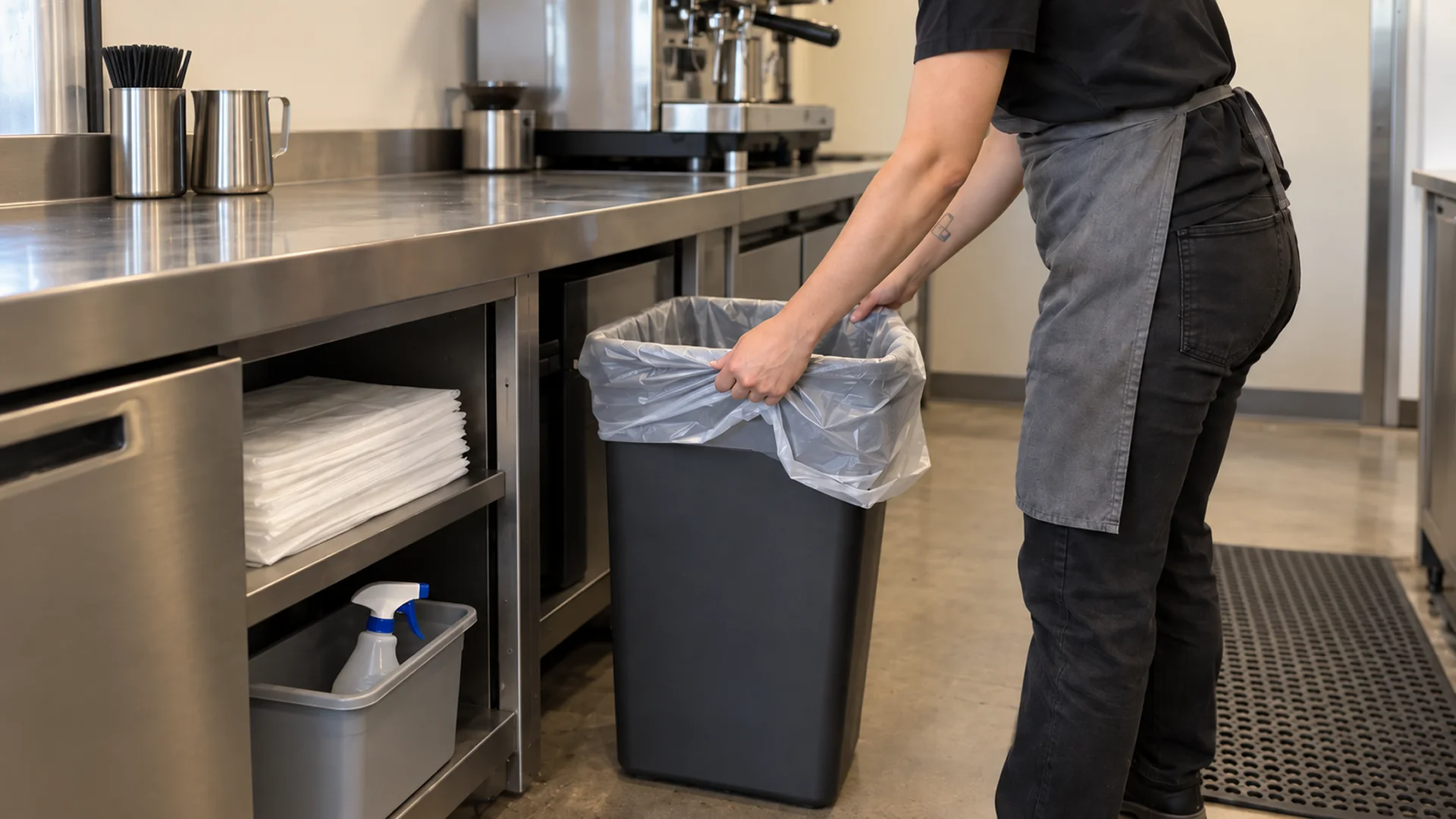
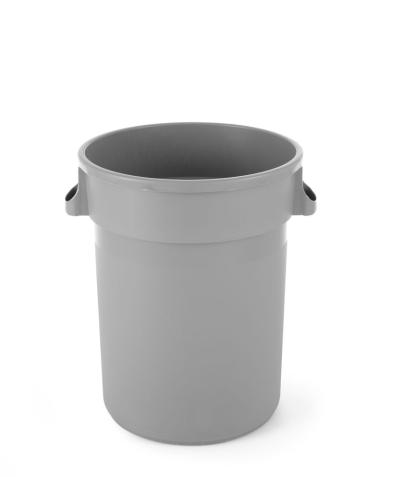
A commercial waste bin and matching liners provide a clean and controlled way to collect waste in preparation, service, and restroom areas. The size and construction of the bin should match its location and the expected volume of waste.
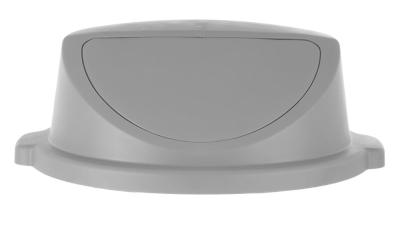
A correctly fitted liner prevents the bag from slipping into the bin, speeds up replacement, and helps maintain visual order. A suitable lid prevents waste from spilling out and helps control odors.
Choose the bin according to its location and waste volume, then match the liner capacity and dimensions and the appropriate lid type. Store spare liners near the waste-collection point and include them in the regular replenishment cycle.
Final Recommendation
The purchasing plan should follow the order of daily operations. Secure the core chemical set first: a degreaser, surface sanitizer, coffee machine cleaner, and descaler.
Next, provide a complete floor-care system, including a mop bucket, floor cleaner, and enough wet floor signs for the premises.
Place soap, paper towels, waste liners, and other consumables on a fixed replenishment cycle. Set minimum stock levels according to staff numbers, customer traffic, and actual daily consumption.
Choose professional products that match the equipment and surfaces in your café. Regular stock checks help keep cleaning procedures consistent and prevent shortages during peak periods.
FAQ
Which cleaning supplies matter most for café hygiene inspections?
The main categories are a degreaser, food-contact surface sanitizer, coffee machine cleaner, descaler, floor-care equipment, warning signs, soap, paper towels, and a suitable waste-collection system. Simply having these products is not enough: they must be used correctly within consistent cleaning procedures.
Which foodservice chemicals should a café always keep in stock?
The core chemical set includes a kitchen degreaser, food-contact surface sanitizer, coffee machine cleaner, and descaler. Together, they coverlk cover preparation-area cleaning, work-surface hygiene, beverage-equipment maintenance, and mineral-scale prevention.
Are wet floor signs and hand soap as important as chemical cleaners?
Yes, but they perform different functions. Chemical products support cleaning and sanitation, while warning signs, soap, and paper towels support floor safety and proper hand hygiene.
Which products should a café reorder first?
Prioritize products that directly affect hygiene and operational continuity: degreaser, sanitizer, Blackjack coffee machine cleaner, descaler, soap, and paper paper towels. Floor-care equipment and waste-control products should also follow a predefined inspection and replenishment cycle.