

What You Will Need
Have the recipes for your chosen drink bases ready, along with scales or a measuring jug, milk pitchers and serving vessels. You will also need a timer and ingredient purchase prices for the test.
Two or three items are a manageable starting point. A small selection is easier to test, explain to staff and keep supplied with ingredients. You can expand it once you have the first sales results.
These recommendations are primarily intended for a station where coffee is prepared manually and milk is frothed separately. For automatic machines, check the model’s manual for available functions and permitted ingredients.
Step 1. Assess Your Station’s Capacity
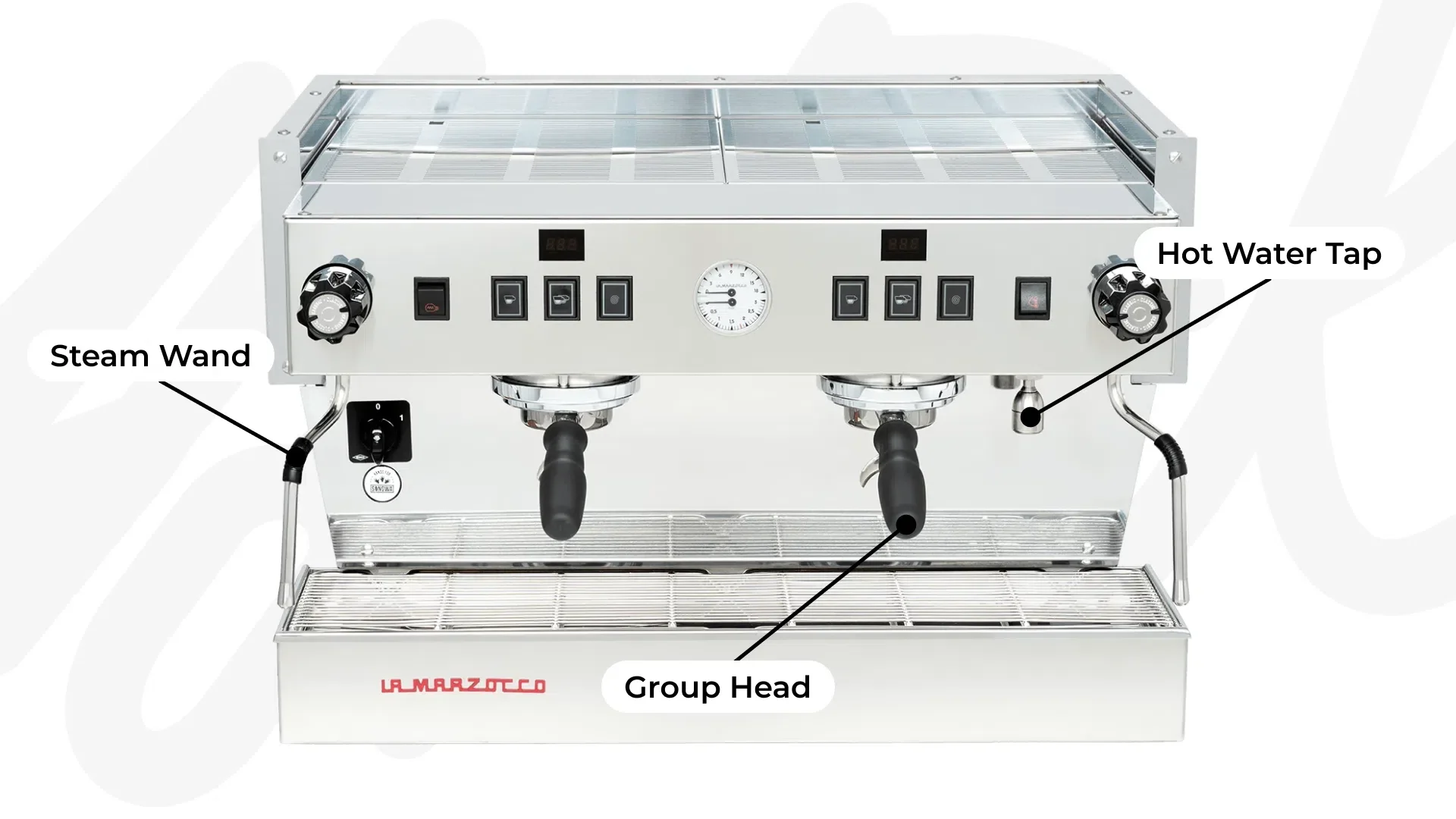
An official photograph of a professional coffee machine with explanatory labels: group head, steam wand and hot water tap. Show which operations take place in each area. Do not include unverified output rates or preparation times.
First, identify where delays occur during your normal order flow: at the grinder, group head, steam wand, hot water source or drink assembly stage.
If the barista is waiting for a free group head, a drink without espresso may use other station resources. If orders are queuing for the steam wand, chai latte and hot chocolate made with steamed milk will compete with cappuccino.
Check hot water separately. Hot water delivery and the ability to use it at the same time as steam depend on the particular machine’s design and operating mode. Refer to the model’s manual and the results of testing under load.
Finally, consider the staff’s workflow.
Step 2. Choose Drinks for the Winter Menu
It is useful to assess new items by the operations they add to your usual workflow.
Seasonal Latte
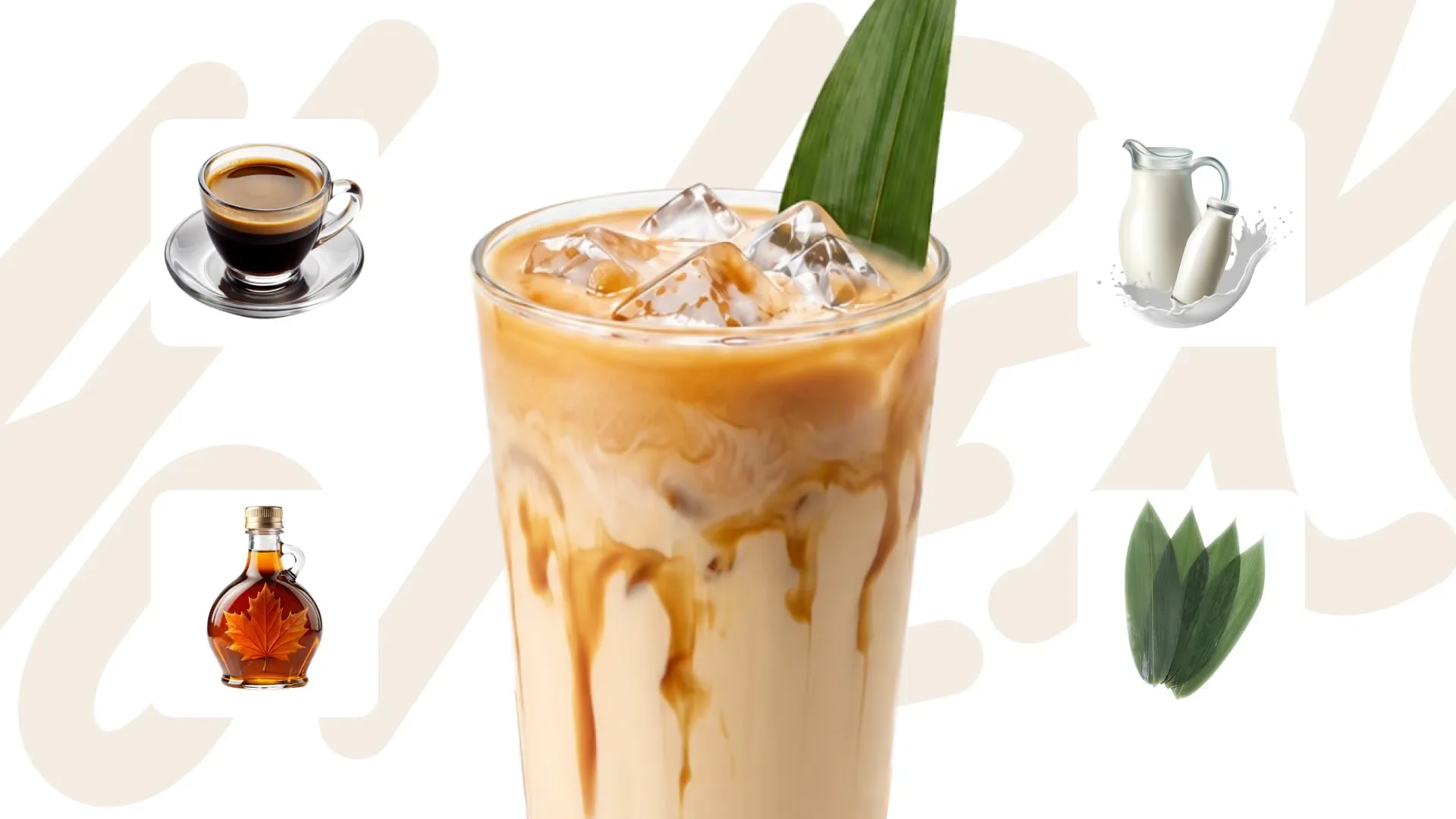
A barista adds a measured flavouring to a cup of espresso. A pitcher of prepared milk is nearby. Focus on a simple preparation sequence, without elaborate garnishes.
A gingerbread latte lets you follow a familiar sequence: prepare espresso, add syrup and combine with separately heated milk.
One flavour is enough to start with. Check how it works with your current coffee beans, its sweetness and the dose for your chosen cup. Assess garnishing as a separate operation: how much it contributes to presentation and how long it takes.
Chai Latte
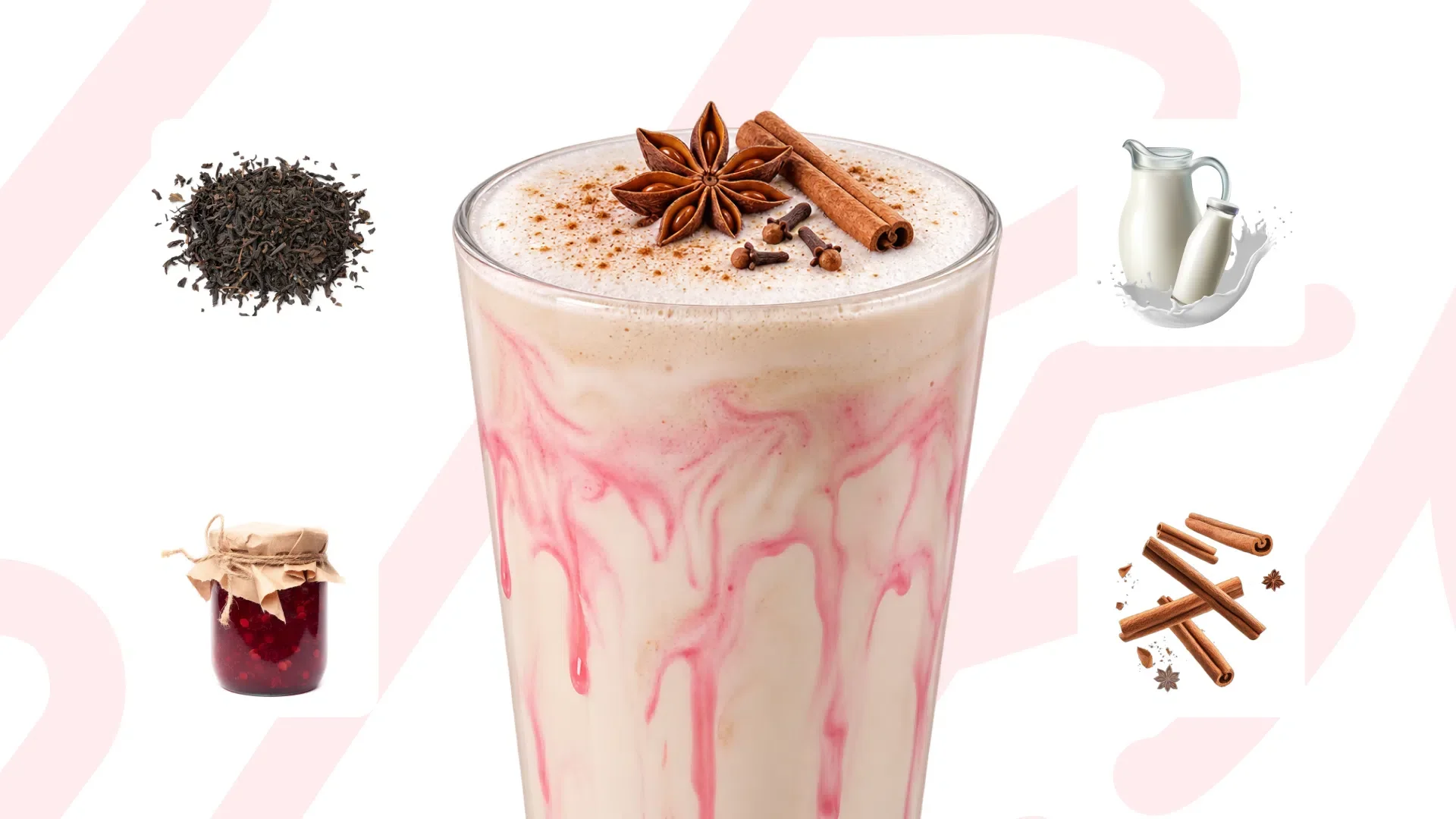
Preparing chai latte: a measured amount of concentrate in a cup, followed by warm frothed milk poured from a pitcher. Do not show espresso preparation as a required part of the recipe.
A ready-made concentrate simplifies dosing and helps standardise the recipe. Follow the instructions for your chosen base when setting the proportions of concentrate and milk or a plant-based drink.
This version does not require espresso. If the milk is heated with steam, the drink still uses the milk preparation area. A drink made without espresso is not necessarily caffeine-free: check the information for your chosen tea base.
For small servings, choose a pitcher that accommodates both the milk volume and the space needed for frothing.

Hot Chocolate
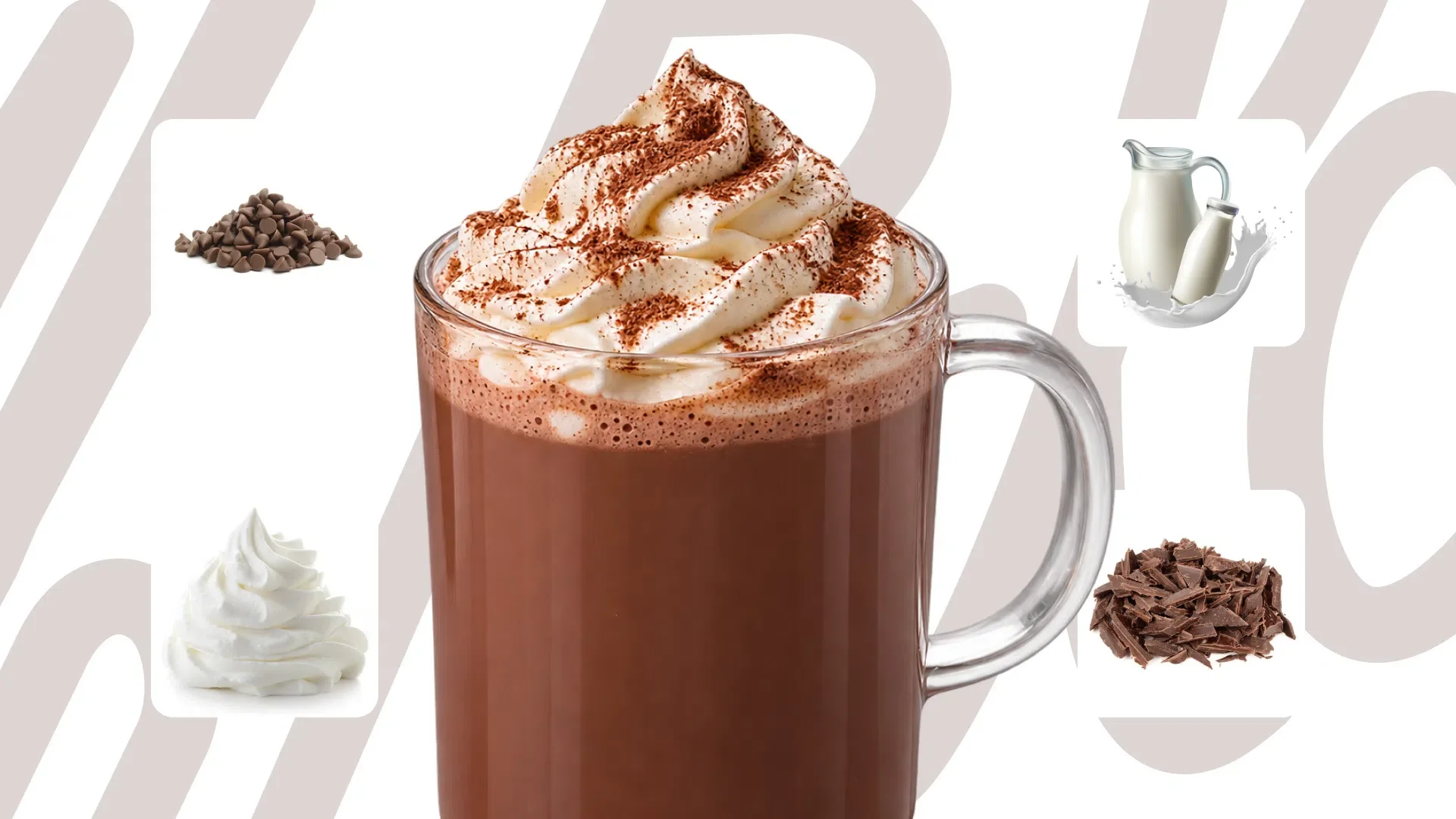
Preparing an individual serving of hot chocolate at the workstation: a chocolate base, milk and a mixing utensil. The finished drink’s smooth texture is visible.
A suitable chocolate sauce or mix can be used for individual servings.
The preparation method depends on the base. Some products simply need to be mixed with hot milk; others require specific heating and vigorous stirring. Check the instructions, look for lumps, assess the consistency and measure how long the utensils take to clean.
Spiced Tea
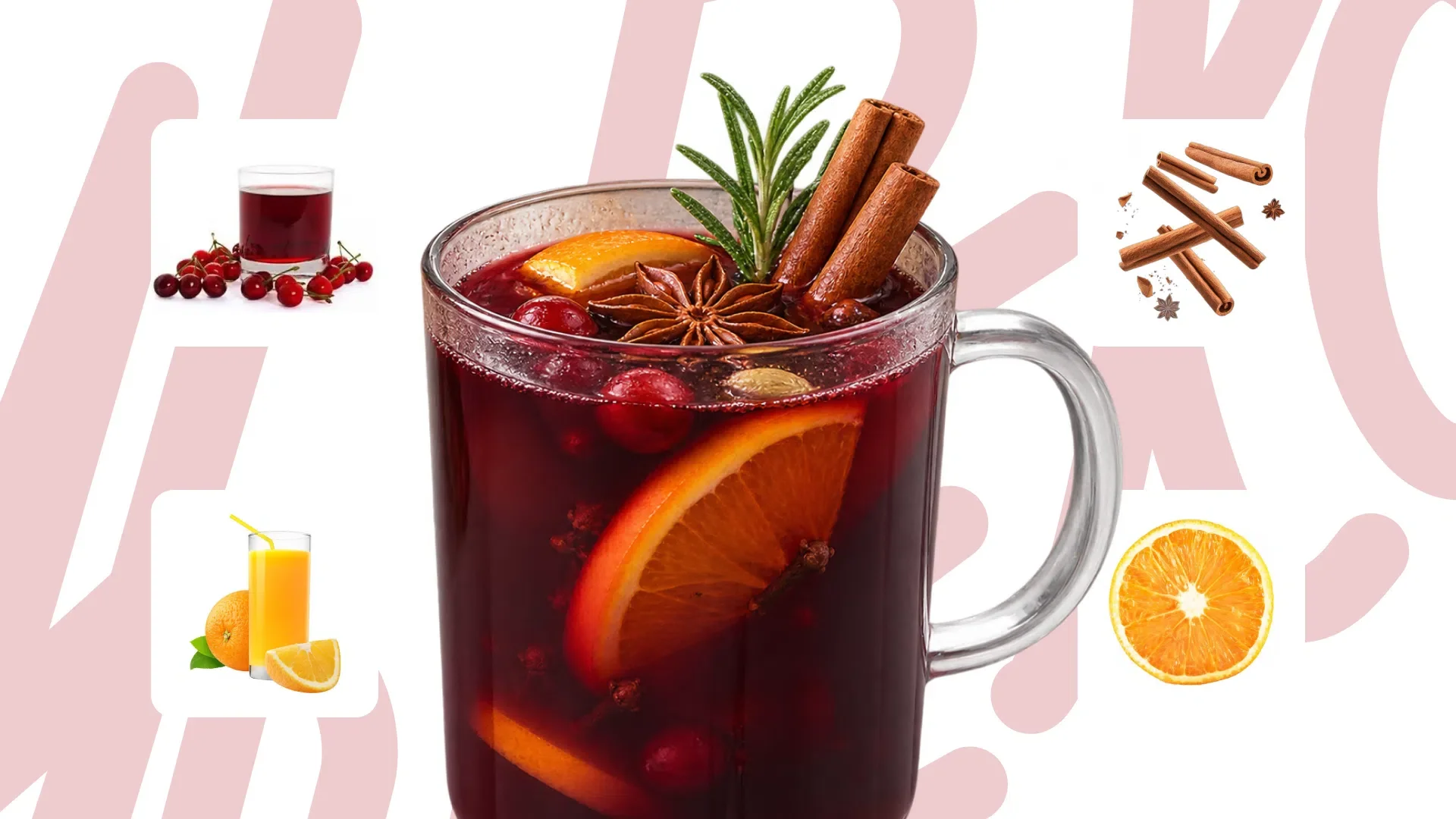
Hot tea in a small serving vessel. The tea base and a measured flavouring are placed nearby. Focus on brewing and serving, without using a steam wand to heat the drink.
Ginger tea or cinnamon tea adds an option to the menu without using the espresso group head or frothing milk. One simple preparation method is to brew your chosen tea and add a measured amount of ginger syrup.
Set the brewing temperature and time according to your chosen tea. Choose serving vessels to suit the portion size and serving method.

Step 3. Record the Recipe and Costs
For each item, record:
ingredient brands and quantities;
the preparation sequence;
the serving vessel size and finished drink volume;
the serving method;
storage conditions for opened drink bases;
ingredients and allergens;
cleaning steps after preparation.
Dosing must be clear to the whole team. If you use a pump, check the volume dispensed per stroke.
Calculate the cost of an ingredient per serving as follows:
Pack price × quantity used per serving ÷ quantity in the pack.
The quantity used and the pack contents must be expressed in the same units, such as millilitres or grams.
At a hypothetical syrup price of 1,000 RSD for 700 ml, a 20 ml addition would cost approximately 28.57 RSD before losses. This is an illustrative calculation, not a market price.
Add the cost of milk, coffee or tea, chocolate base, garnishes and packaging. Assess additional labour and wastage separately. If a guest chooses the new drink instead of a regular latte, compare the selling price and preparation costs of both items.
Step 4. Test the Workflow with a Series of Orders
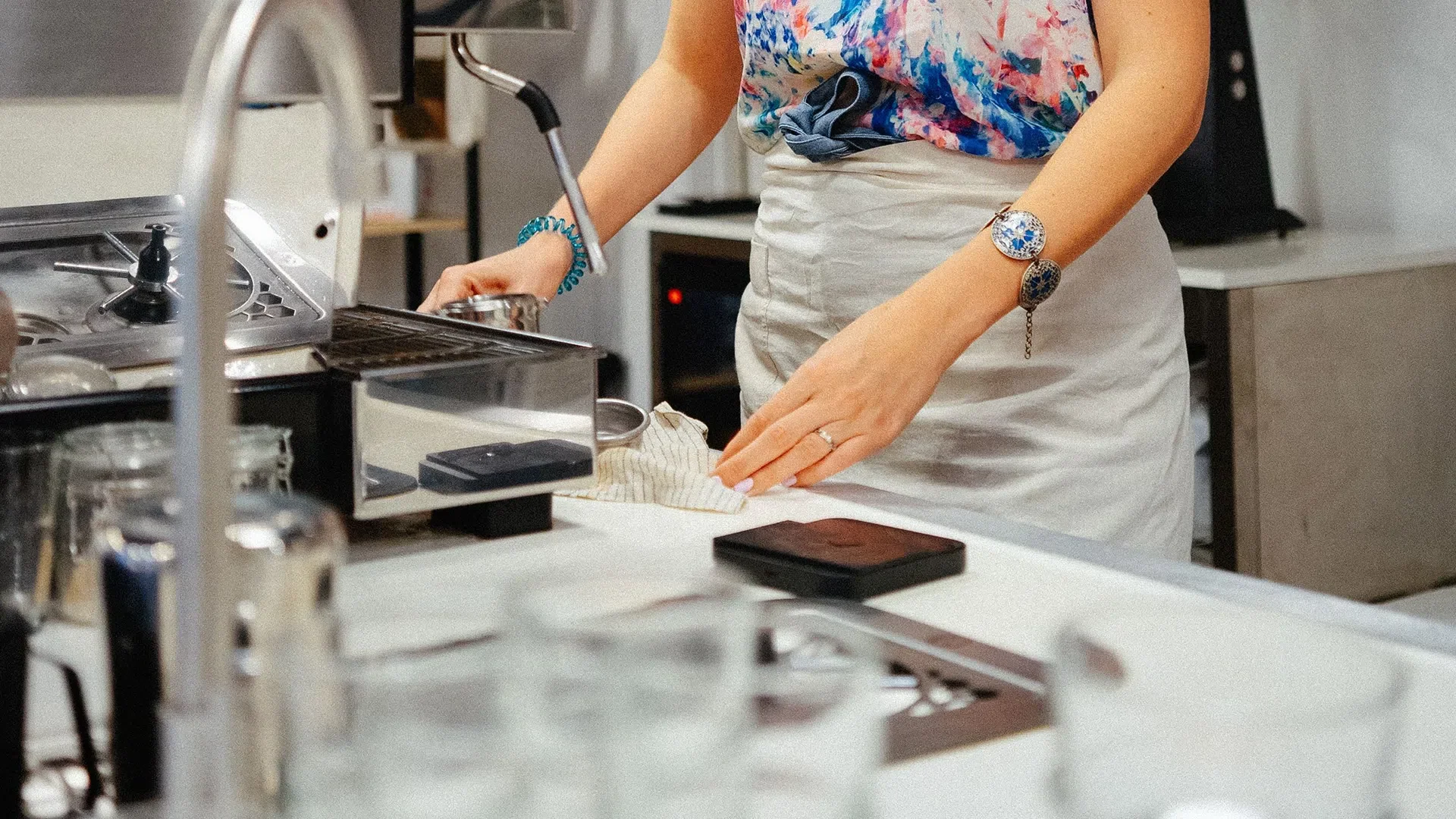
A test run of regular and seasonal drinks at one station. A staff member records preparation times and results. Show the actual workflow, including drink assembly and the return of used utensils for cleaning.
First, prepare each item several times in a row. Assess the taste, finished volume, the time the barista spends actively preparing the drink and the full cycle until clean utensils are ready for reuse.
To test the order flow, first record the time needed to complete a series of regular orders. Then run a mixed series with the same number of drinks, replacing some with seasonal options. Keep the same team and working conditions so that the results are comparable.
During the test, record:
the total time taken to complete the series;
waiting times for regular orders;
delays at the group head, steam wand and hot water source;
time spent mixing, garnishing and washing;
remakes and ingredient usage.
If you expect the total number of orders to grow, test that in a separate run. This will help identify whether delays are caused by the new recipe or the additional volume.
Define an acceptable waiting time for your venue in advance. If a seasonal item pushes waiting times beyond that limit or leads to frequent remakes, simplify the recipe or reserve the drink for off-peak hours.
Mistakes to Avoid
Too many separate flavours complicate purchasing and increase the number of open packs. Start with ingredients that work in several tested recipes.
Do not automatically use the same doses across brands. Check ingredient compatibility: some acidic syrups can cause milk to curdle, especially when hot.
Account for the ingredients in garnishes and plant-based drinks, and update allergen information whenever ingredients change. Shared utensils and equipment require procedures to prevent allergen cross-contact.
FAQ
Do You Need a Separate Hot Chocolate Dispenser?
Not every recipe prepared one serving at a time requires one. The decision depends on the base, sales volume and preparation method. When serving several portions in succession, a dedicated appliance with heating and stirring may be useful.
Will Chai Latte Reduce the Load on the Coffee Machine?
It does not require espresso preparation. But if the milk is heated using the coffee machine’s steam, the steam wand remains in use.
When Do You Need a Separate Hot Water Boiler?
When the available hot water is insufficient for your chosen menu. When selecting a boiler, consider capacity, heating output, temperature and connection requirements. A tank holding several litres does not, by itself, show how much water the appliance can deliver during continuous operation.