
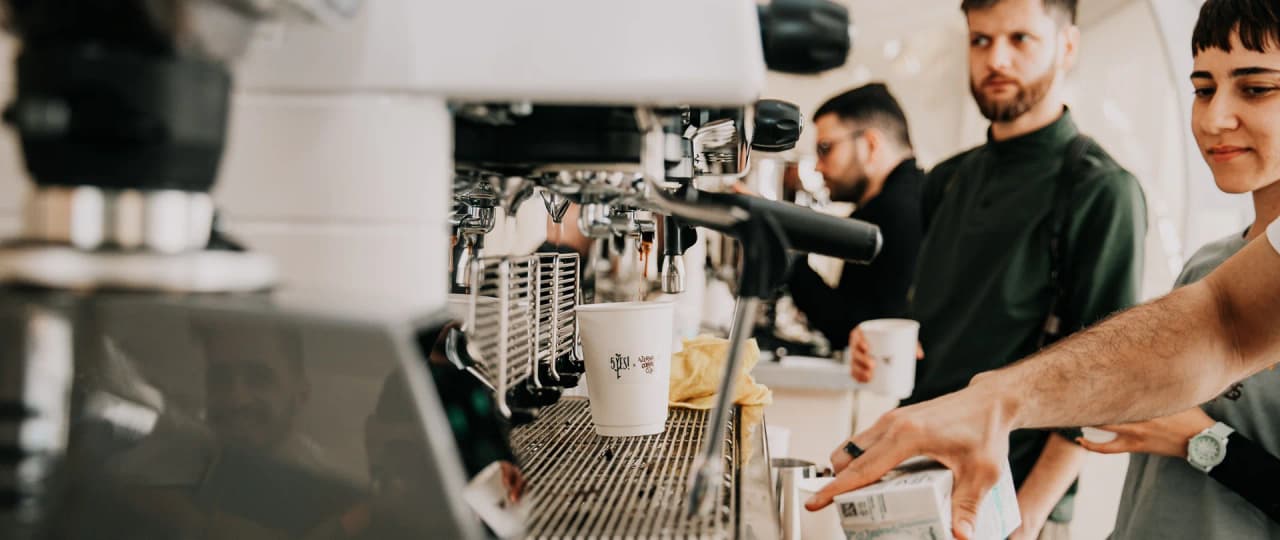
Why International Coffee Day Is Celebrated on 1 October
The first official International Coffee Day, established by the members of the International Coffee Organization, took place on 1 October 2015. It created a shared date dedicated not only to the drink itself, but also to the people who grow, process, roast, supply and prepare coffee.
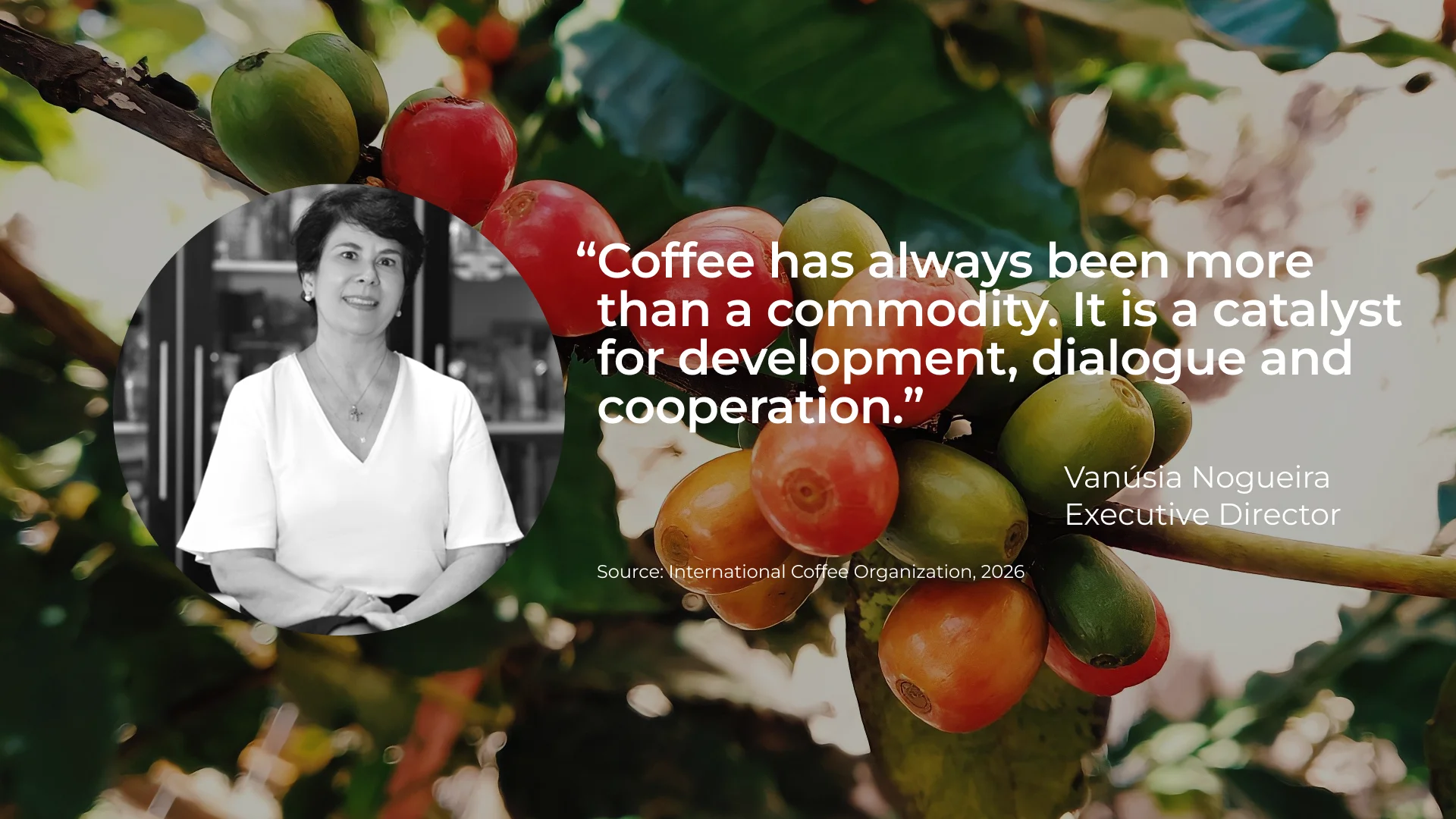
In 2026, the International Coffee Organization is running the global “Coffee is Part of the Solution” campaign. It focuses on coffee’s role in generating income, encouraging cooperation, advancing innovation and strengthening communities. According to the ICO, coffee provides an income for approximately 12.5 million farming families worldwide. Official ICO press release
A café does not need to explain the entire global supply chain to its guests. It can explore the subject through a single cup by highlighting the coffee’s origin and processing method, and explaining how the work of farmers, roasters, suppliers and baristas shapes the final flavour.
Five Practical Ideas for International Coffee Day
The best International Coffee Day idea is not necessarily the largest or most elaborate one. It should suit the size of the café, the number of employees and the experience regular guests already expect. If an activity disrupts normal service, even an interesting concept can quickly become a problem.
1. Create One Special Drink

One carefully planned drink will usually work better than an entire limited-edition menu. It could be a familiar coffee drink featuring a seasonal ingredient, a new way of serving a selected coffee or a pairing of coffee and a particular pastry.
Before announcing it, prepare the drink several times at a normal working pace. Check its flavour, cost and preparation time, then approve one standard recipe for every barista. If a single order noticeably slows the queue, simplify the recipe in advance.
2. Organise a Short Coffee Tasting

A tasting can introduce guests to two or three coffees from different regions or demonstrate how the same coffee changes with different brewing methods. There is no need to recreate a professional cupping session. A simple and accessible flavour comparison will be more useful to most guests.
Talk about the coffee’s origin, processing method and main flavour characteristics, using only information confirmed by the supplier or roaster. Schedule the tasting for a specific time and limit the number of participants. This will allow the team to prepare the coffee and cups in advance without interrupting normal service.
3. Show Guests How a Barista Works

Preparing an espresso may look simple, but the process involves adjusting the grind, dosing, distributing the coffee, tamping and monitoring the extraction. A short demonstration can reveal this work without overwhelming guests with technical terminology.
Choose one process, such as showing how grind size affects extraction, steaming milk, preparing filter coffee or creating simple latte art. One employee should lead the demonstration while another barista continues preparing regular orders. This keeps the activity part of the guest experience without bringing service to a halt.
4. Tell the Story Behind the Coffee
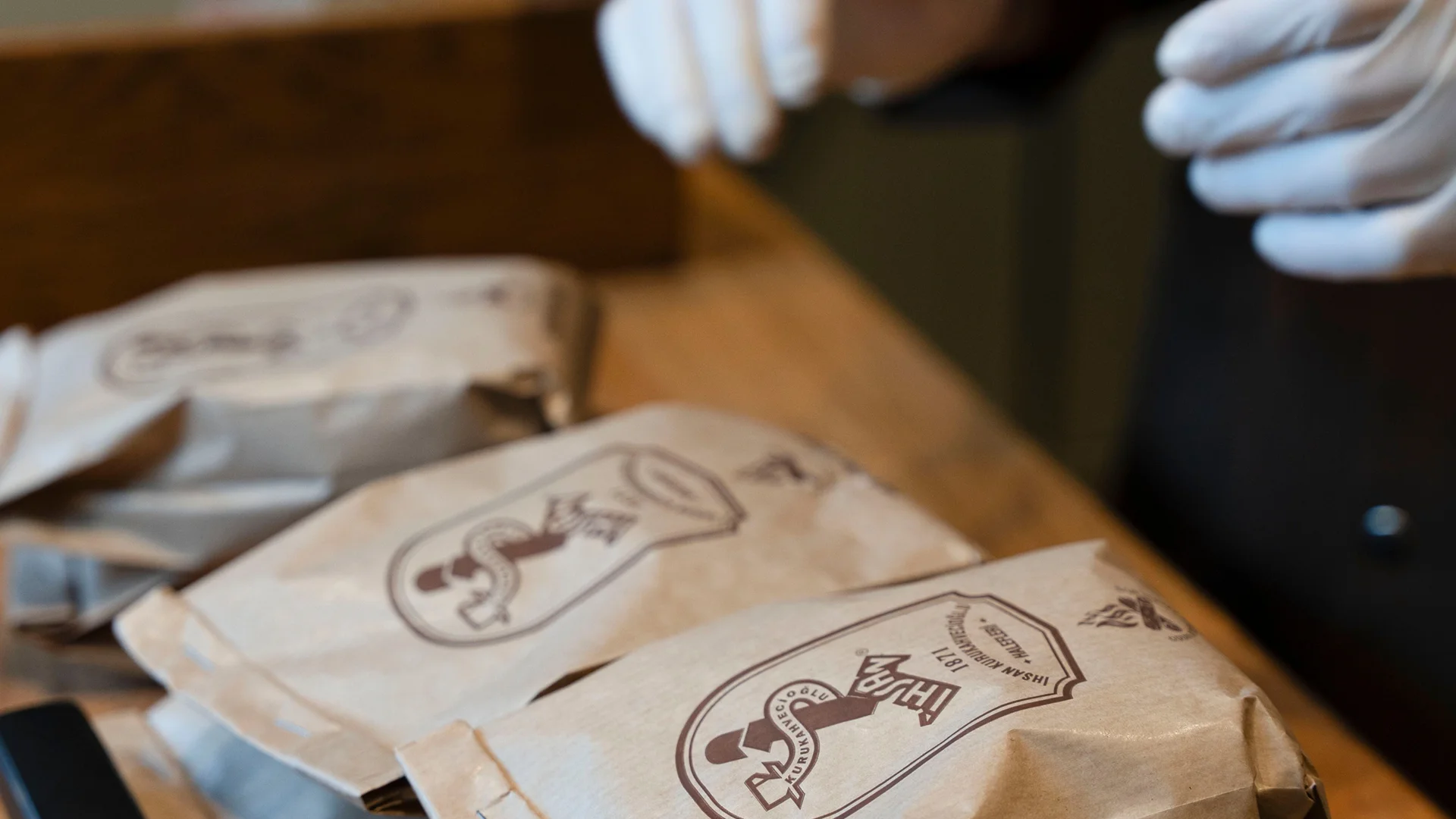
Engaging guests does not always require a separate event. A small card beside the grinder can introduce the coffee’s country and region of origin, processing method, roast level and expected flavour notes.
If the producer, farm or cooperative is known, include this information as well. Avoid broad claims about sustainability or environmentally responsible production unless they can be verified. A short, accurate story creates more trust than an impressive statement with no evidence behind it.
5. Offer a Simple Promotion
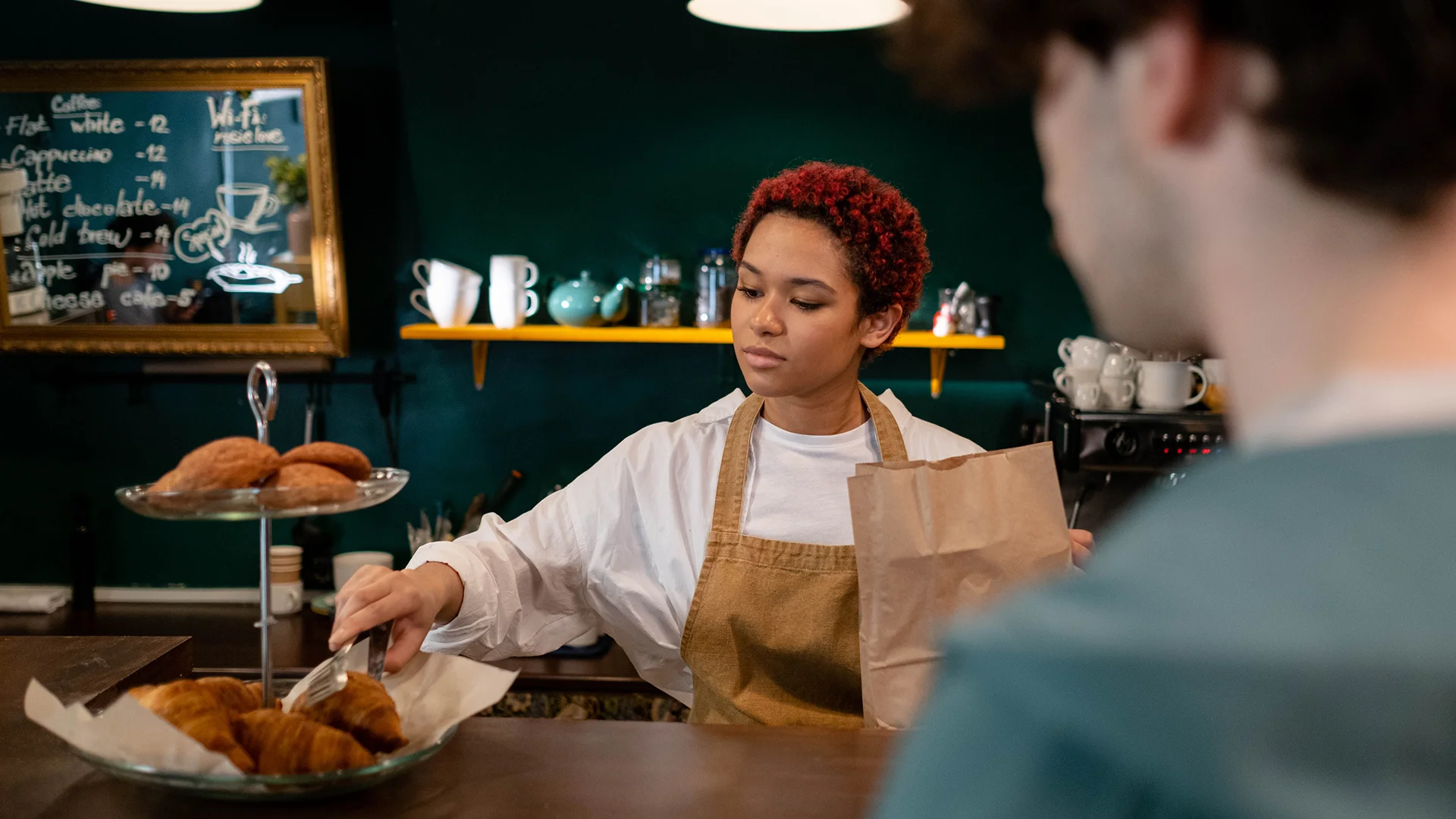
A promotion can support the event if both guests and employees can easily understand how it works. Options might include a special coffee paired with a selected pastry, a complimentary size upgrade, a small tasting portion with an order or an extra loyalty programme reward.
The main test is simple: an employee should be able to explain the offer in one sentence. If the explanation requires several exceptions, time slots and payment conditions, the promotion should be simplified.

What Guests Need to Know Before the Event
Even a good idea can cause frustration if its conditions are unclear. For example, the phrase “special offer on 1 October” suggests that the promotion will be available throughout the day, even if the café has prepared only a limited number of servings. The problem is not the limit itself, but the fact that guests were not told about it in advance.
Before publishing the announcement, confirm the format, price, available quantity, event duration and participation conditions. For a tasting or demonstration, determine the number of available places and the registration process as well.
Every announcement should include:
the event format;
the date, time and address of the participating café;
the price and offer conditions;
whether advance registration is required;
the duration and number of available places;
the drinks or products included in the promotion;
any limits on the number of servings;
common allergens in the special drink or set.
Information on the website, social media, printed materials and inside the café should be consistent. If the conditions change, update every channel. The clearer and more precise the message is, the easier it will be for guests to make a decision and for the team to deliver what was promised.
A Good Idea Matters More Than Scale
International Coffee Day is an opportunity to present a familiar drink from a new perspective. A special menu item, short tasting, barista demonstration, coffee origin story or clearly explained promotion can draw attention to where coffee comes from and the people behind every cup.
The scale of an event does not determine its quality. It is far more important to choose a format that suits the café, use reliable information and deliver what was promised to guests.
Preparing for Higher Demand on 1 October?
Check the espresso machine, grinder, water filtration, barista station setup, stock of consumables and team readiness before the event begins.