

1. Start with the Event Plan

For the check, you will need the banquet menu, the service schedule, a list of tableware and equipment, equipment manuals, a timer and a suitable thermometer.
First, establish the main requirements:
how many guests are expected;
whether there will be table service, a self-service buffet or a combination of both;
which dishes and drinks will be served at the same time;
whether the restaurant will continue to serve other guests;
how much time is allocated to serving each course.
Seating capacity gives only an initial indication of the workload. A full assessment requires the menu and service schedule. A hundred-person banquet with several courses places different demands on the restaurant from an evening when a hundred guests arrive gradually.
Make a separate note of times when sending out hot dishes, replenishing drinks and returning used tableware may overlap. These are the points to check for potential delays.
2. Calculate Tableware Needs for Each Course
Saying “we have enough tableware for a hundred guests” is too vague. There may be enough dinner plates, while the dessert plates are being used for starters. Glasses may stay on tables longer than expected, and some GN containers intended for serving may be occupied by prepared ingredients.
Count each type of item separately: plates, serving platters, cutlery, glasses, cups and saucers. For each type, work out when it will be needed and whether it can be washed and returned in time for its next use.
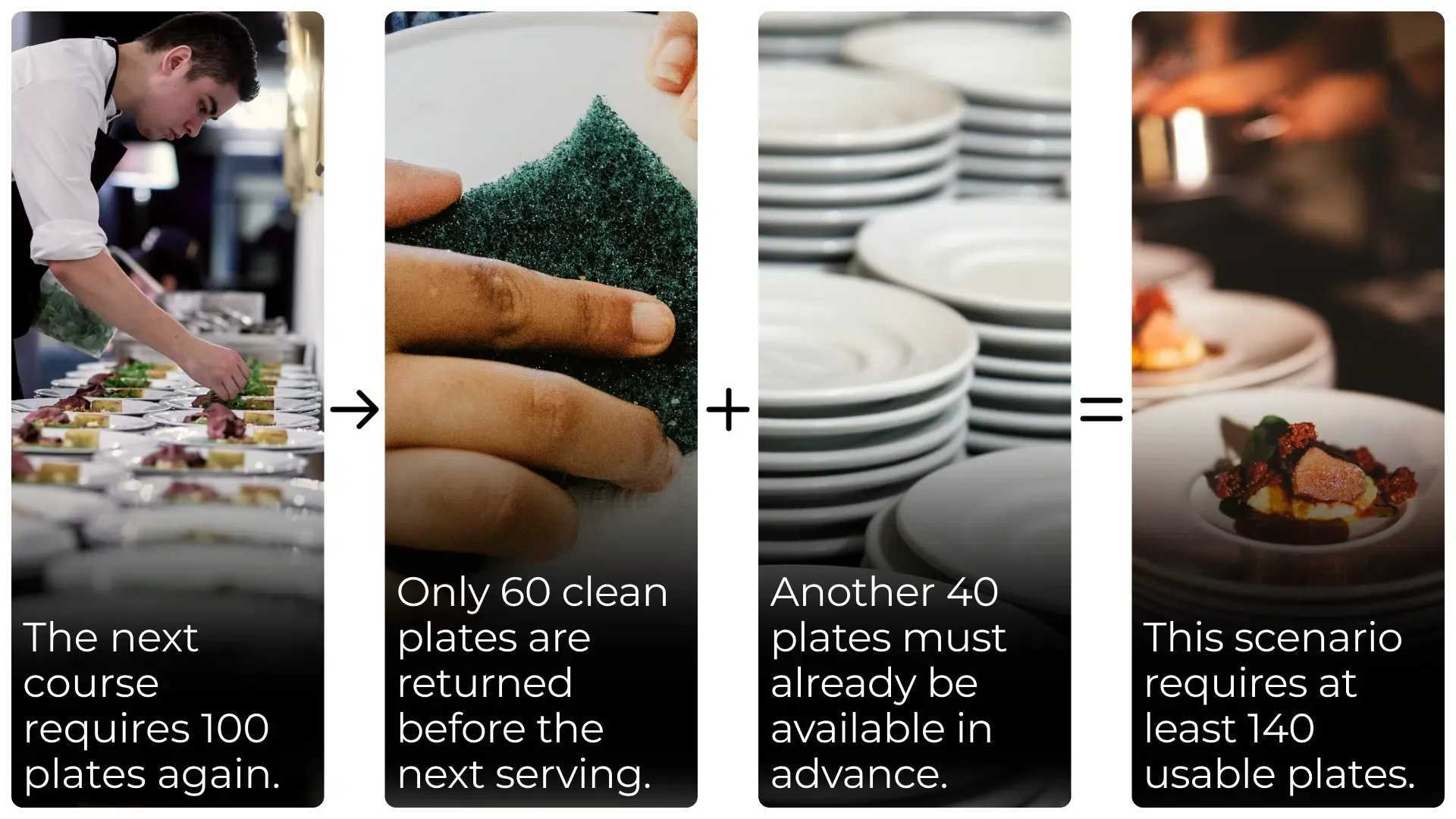
Hypothetical example. Two consecutive courses each require a hundred identical plates. By the time preparation begins for the second course, only sixty plates from the first batch have returned clean. Another forty must therefore be available in advance. This schedule requires at least 140 usable plates of that type, excluding any additional reserve.
This example illustrates the calculation method. If the courses use different plates, or the dishwashing area returns the whole batch in time, the requirement will change.
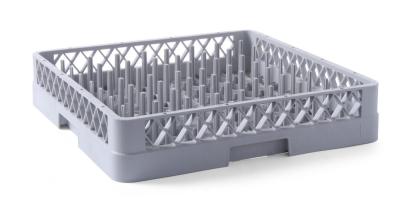
During the stock check, also inspect the condition of the tableware, make sure the reserve stock is accessible and check that suitable dishwasher racks (the baskets used to load tableware into the machine) are available.



3. Check Dishwashing as Part of the Full Tableware Turnaround

A short machine cycle does not necessarily mean that clean tableware will return to the dining room quickly. Used items need to be collected, transported, cleared of food residue, loaded, washed, unloaded, allowed to dry and returned to where they are needed.
Peak dishwashing demand may come after the busiest point in service, when staff clear the tableware from a course at the same time. Account for the place settings, number of courses and busiest operating period.
Use a test batch to check:
whether there are enough racks for plates, glassware and cutlery;
whether large platters and trays fit;
whether there is space to receive dirty items and unload and dry clean ones;
who returns washed items to service;
whether items need rewashing or staff have to wait for a free rack.
Organise the movement of clean and dirty tableware to prevent washed items from becoming contaminated again. Tableware must be fully dry before it is put into storage. Include this time when calculating how long it takes to return to service.
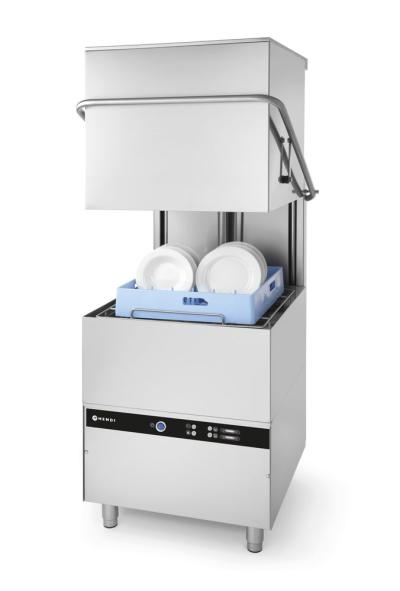
The check will help establish the cause of delays. Sometimes extra racks or a different allocation of duties are needed. If the machine itself cannot keep up, the results will help establish the required washing capacity.
4. Plan Refrigerated Storage Before Ordering Ingredients
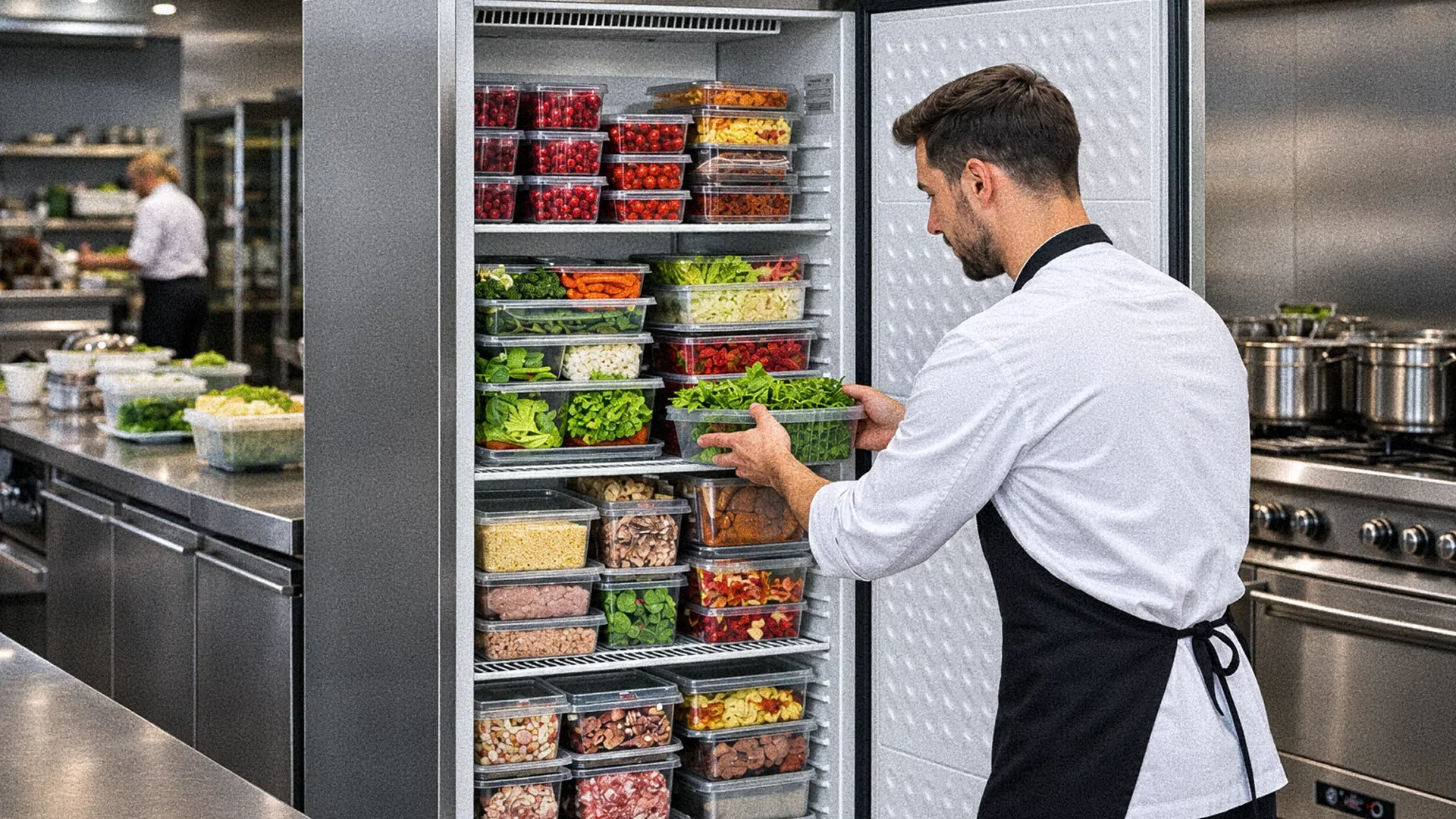
Before a banquet, refrigerators may need to hold raw ingredients, prepared dish components, desserts and drinks at the same time. Free space quickly disappears, especially if it was assessed only by the cabinet’s total volume.
Plan which containers will occupy which shelves, and when. Account for their dimensions, including lids, the separation of raw and ready-to-eat food, labelling and the equipment’s airflow requirements.
Check whether the equipment maintains the required temperature when loaded for service, with doors being opened regularly. Establish in advance the temperature required for these foods and the procedure to follow if it moves outside the set limits.
If some dishes are prepared in advance, plan the cooling process separately. Refrigerated storage maintains the temperature of food that is already chilled, while rapid cooling lowers the temperature of a cooked batch. For dishes prepared ahead of time, check both the cooling method and the space needed for subsequent storage.
You may need to rearrange food, change the delivery schedule or allocate suitable space for drinks. Establish the requirement first. This will make it clearer which equipment is needed.

5. Follow the Dish All the Way to the Last Table

Check how the kitchen handles serving a whole batch. The first plate may leave on time while the others wait for a side dish, sauce, free space or collection by a server.
Break down the preparation of a dish for service into individual tasks and test them across a batch. Where are the plates kept? Who adds the sauce? Who checks the finished portion? How does it reach the dining room?
If the event plan requires a hundred portions to be handed over for service in ten minutes, the average rate is ten portions per minute. This is a condition of this particular example: each restaurant sets the required time according to its menu and service arrangements.
Then check the result at the last table: the dish’s temperature, presentation and quality.
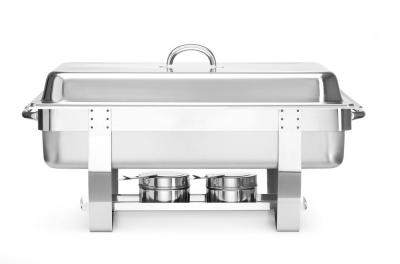
Choose equipment according to its intended use. Banquet chafing dishes help keep cooked food warm during service. Hot holding and cooking serve different purposes, so check the manual for the capabilities of each specific model.
Remember trays, serving utensils, routes and space for trolleys. These also affect service speed.
6. Run a Rehearsal with the Team
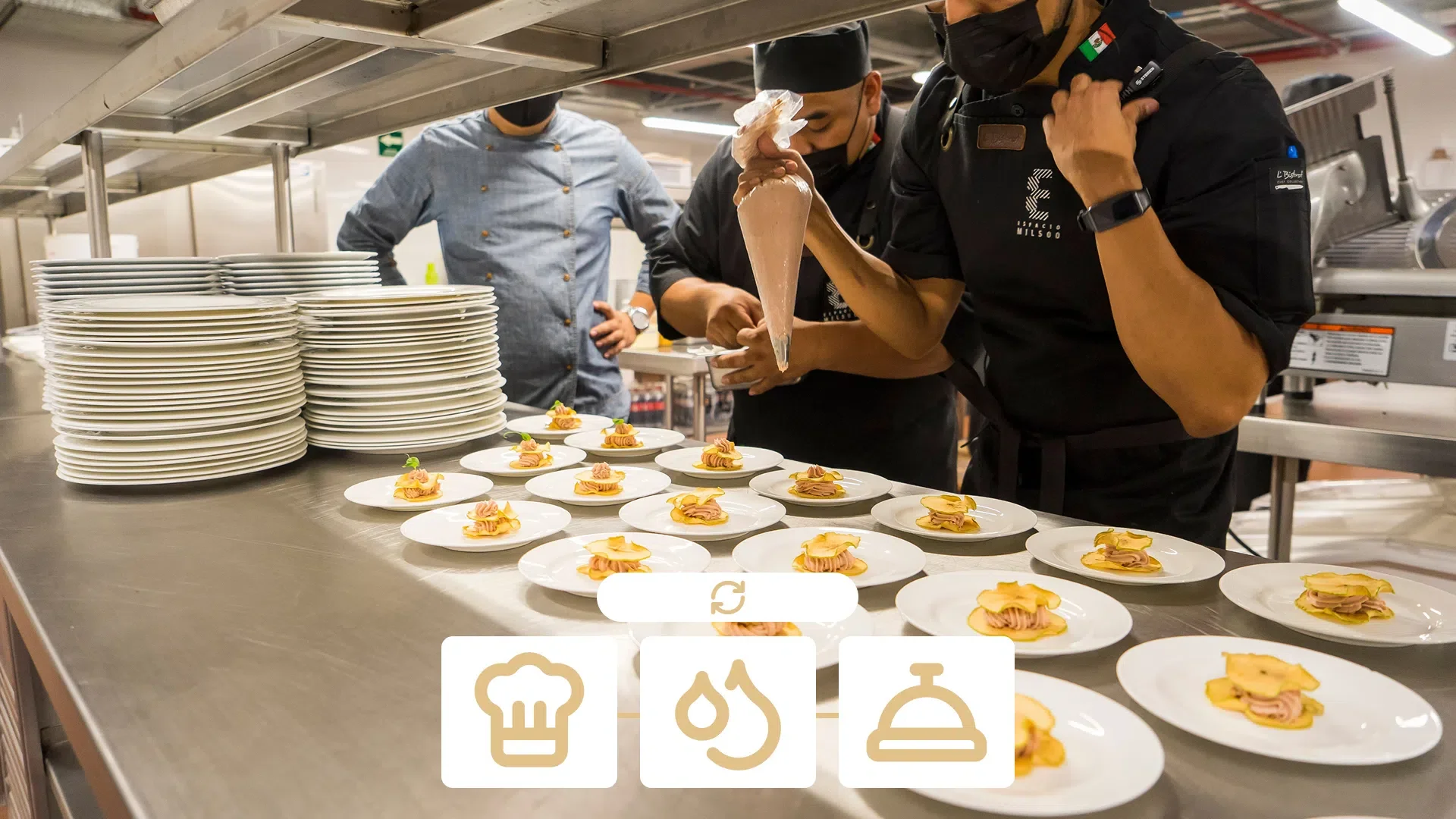
Use the banquet menu, planned table settings and equipment programmes selected for the event. Allocate roles across the kitchen, dishwashing area and dining room in advance.
Record how long it takes to prepare and hand over a batch of dishes, how long tableware takes to return, and any queues or stoppages. Carry out temperature checks according to the restaurant’s procedures.
After the rehearsal, make a short list: what went wrong, why it happened, what needs to change and who is responsible. Once changes have been made, test the problem area again.
Record specific causes: there were not enough dessert forks, the area for unloading clean tableware was occupied, or dishes being sent out crossed paths with used tableware coming back. These notes make it easier to identify what needs fixing.
Common Preparation Mistakes
Four mistakes are common during preparation: counting only seats, relying on the shortest wash cycle, planning food preparation without checking refrigerator space, and buying more equipment before establishing the cause of delays.
Checking against the menu and service schedule helps avoid these decisions.
Choose Equipment to Suit Your Event
Preparing for a corporate party or New Year banquet? Ask us to recommend tableware, smallwares and equipment suited to your menu. Provide the guest count, service schedule and details of your existing equipment. This will help identify what needs to be added.
FAQ
How Much Spare Tableware Do You Need for a Banquet?
The stock required depends on the item types, number of courses and turnaround time from the dishwashing area. First, establish how many items of each type are in use at the same time. Then allow an additional reserve to replace damaged tableware and cover unexpected delays in its return.
Can You Rely on the Dishwasher’s Shortest Cycle?
Only if the programme is suitable for the particular load and delivers the required cleaning results. For planning purposes, account for the entire turnaround of clean tableware, including loading, unloading, drying and transport.
Should You Buy Extra Equipment for Just a Few Events?
The decision depends on the cause of delays. Sometimes additional smallwares or a change in the process will be enough. If capacity really is insufficient, the rehearsal results will help define the equipment requirements.